MEMBERSHIP

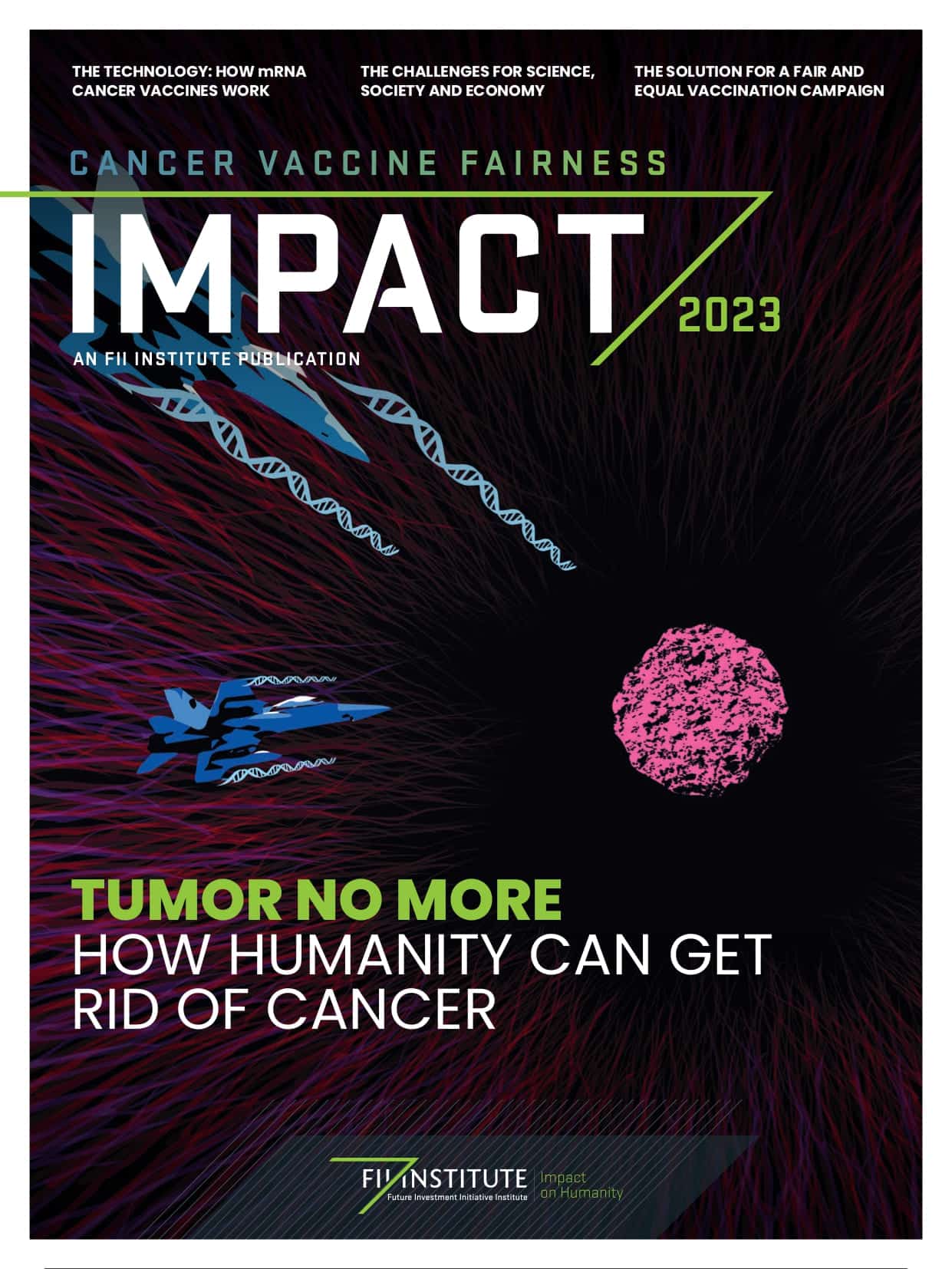
Cancer Vaccine Fairness: Tumor No More

This report examines the potential impact and challenges of cancer vaccines, proposing a debate about the best and most equitable way to put an end to cancer. It includes illustrations by Daniel Hertzberg, and discusses the need for studies with clearly defined plans to treat a defined number of patients, as well as the potential of mobile production facilities for mRNA.

PUBLISHED BY FII INSTITUTE

أبريل 11, 2023
Share this Publication

The FII Institute’s report, Cancer Vaccine Fairness Impact Report 2023, examines how ambitious goals of impacting humanity can be achieved equitably and efficiently. It proposes a global rollout for cancer detection and therapeutic mRNA vaccination against the most lethal skin cancer, which they call Mission Melanoma. The report is based on three pillars: THINK, ACT, and XCHANGE, and draws on sources from governments, universities, and companies. It is intended to be a step towards a world where health means wealth and not the other way around.

This report examines the potential impact and challenges of cancer vaccines, proposing a debate about the best and most equitable way to put an end to cancer. It includes illustrations by Daniel Hertzberg, and discusses the need for studies with clearly defined plans to treat a defined number of patients, as well as the potential of mobile production facilities for mRNA.

Key insights from the report include the proposal for how ambitious goals of making an impact on humanity can be achieved, the potential impact and challenges of cancer vaccines, the need for a debate about the best and most equitable way to put an end to cancer, and the prospects and challenges for therapeutic cancer vaccines.

Learn about the potential impact and challenges of cancer vaccines, the need for accessible and inclusive information, and a proposal for how ambitious goals can be achieved to put an end to cancer.
Top Publications

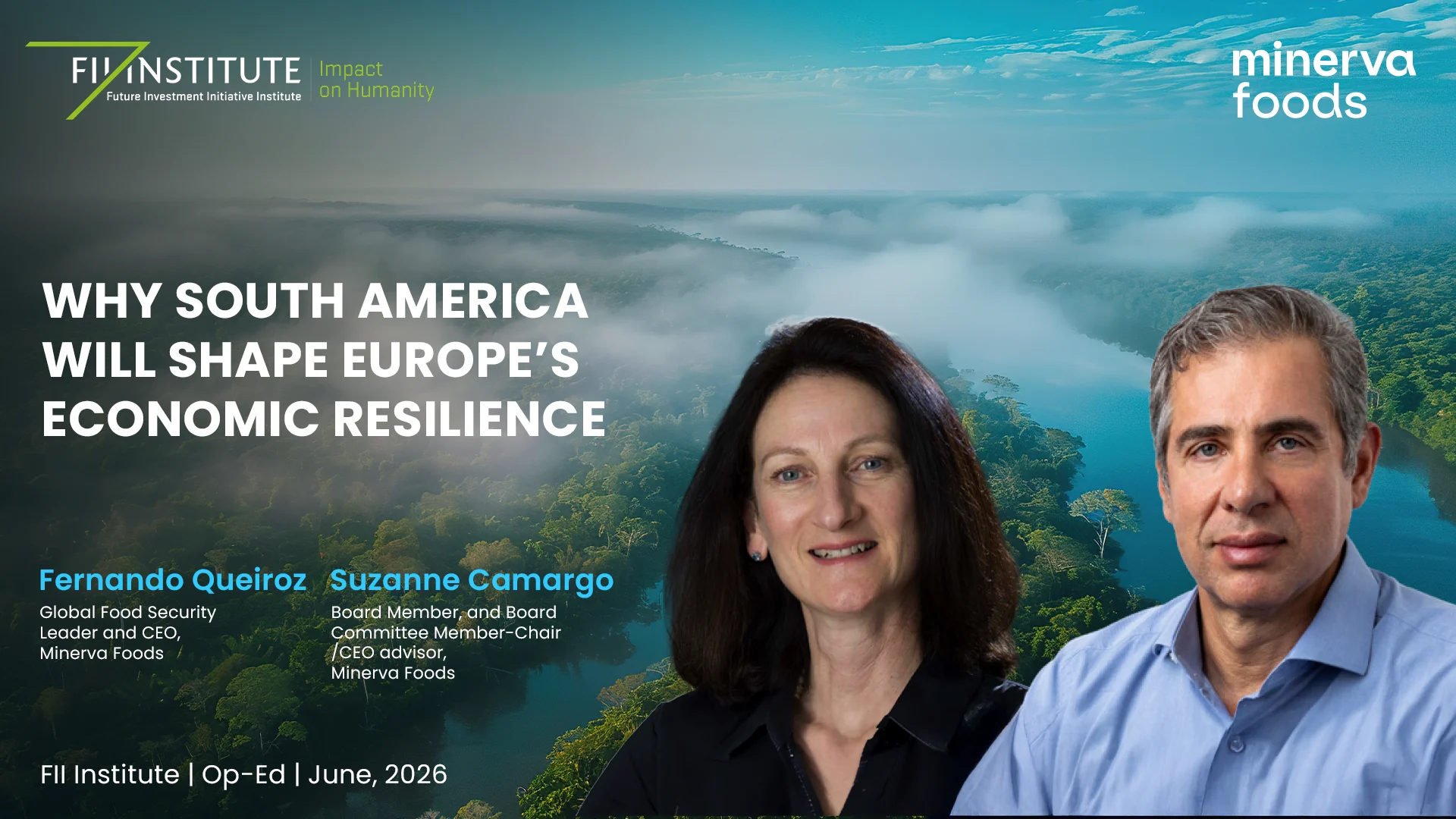
Why South America Will Shape Europe’s Economic Resilience
EUROPE’S ECONOMIC FUTURE IS OFTEN discussed through the lenses of defense, energy security and industrial policy. Yet one of its most consequential vulnerabilities sits elsewhere: in food systems. In particular, the evolving agricultural interdependence between the European Union and South America will play a growing role in determining whether Europe becomes more economically resilient—or more […]
read more
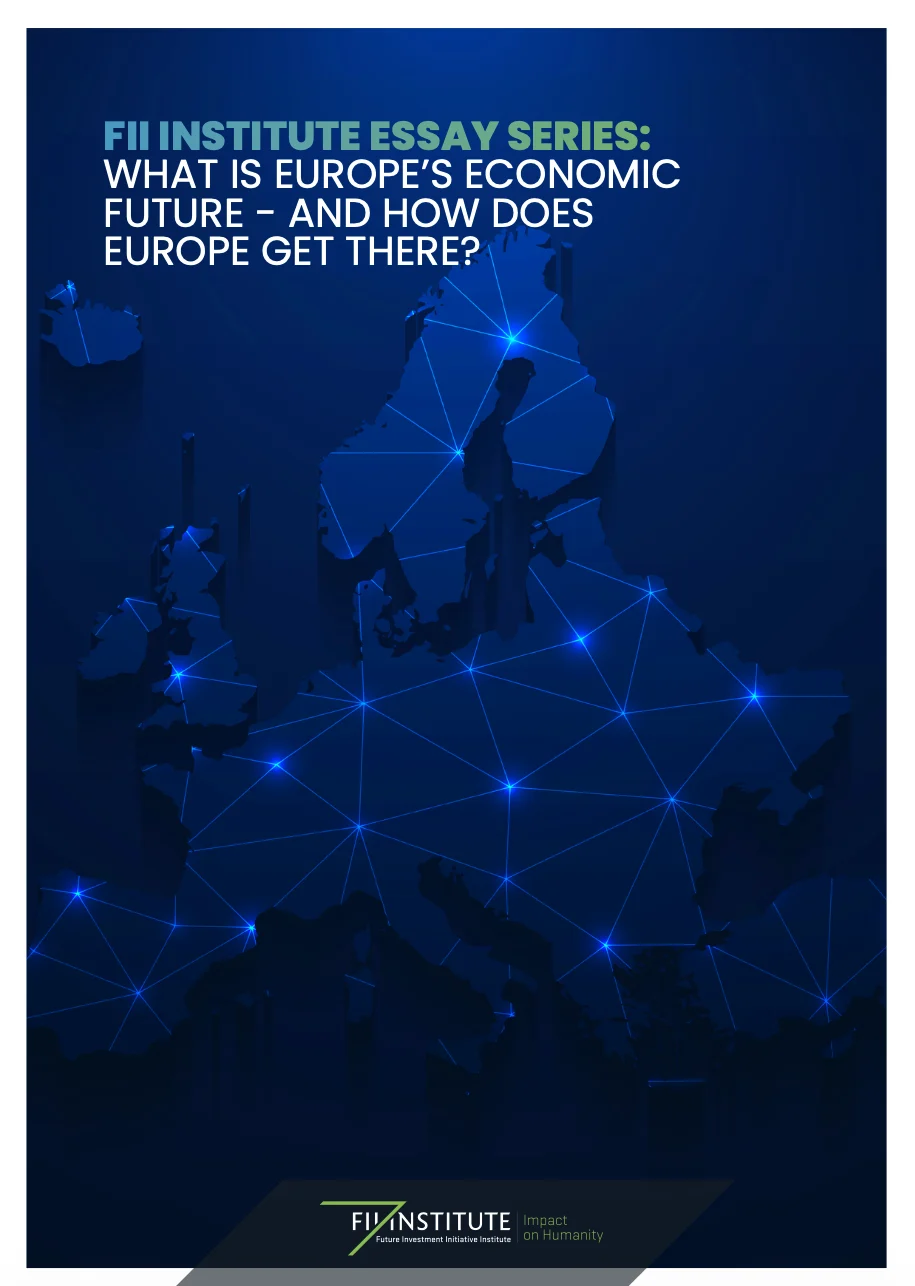
What is Europe’s Economic Future and How Does Europe Get There?
Europe enters 2026 in a new phase: moving from crisis management to reimagining its strategic autonomy in energy, technology, security, and finance. The decisions made in Brussels, Berlin, Paris, Rome and boardrooms across the continent over the coming years will determine whether the continent leads the next wave of technological and economic transformation – or […]
read more

Be a part of the conversation

Tweet about this publication and mention #FIIPublications to connect with the author.

Stay Connected

Get Involved with FII Institute today

Stay in the know with our newsletter

Co-produce knowledge & thought leadership

Partner with us

Join FII Institute Membership Program

Become a member
SubscribeMembership
chevron-downarrow-right