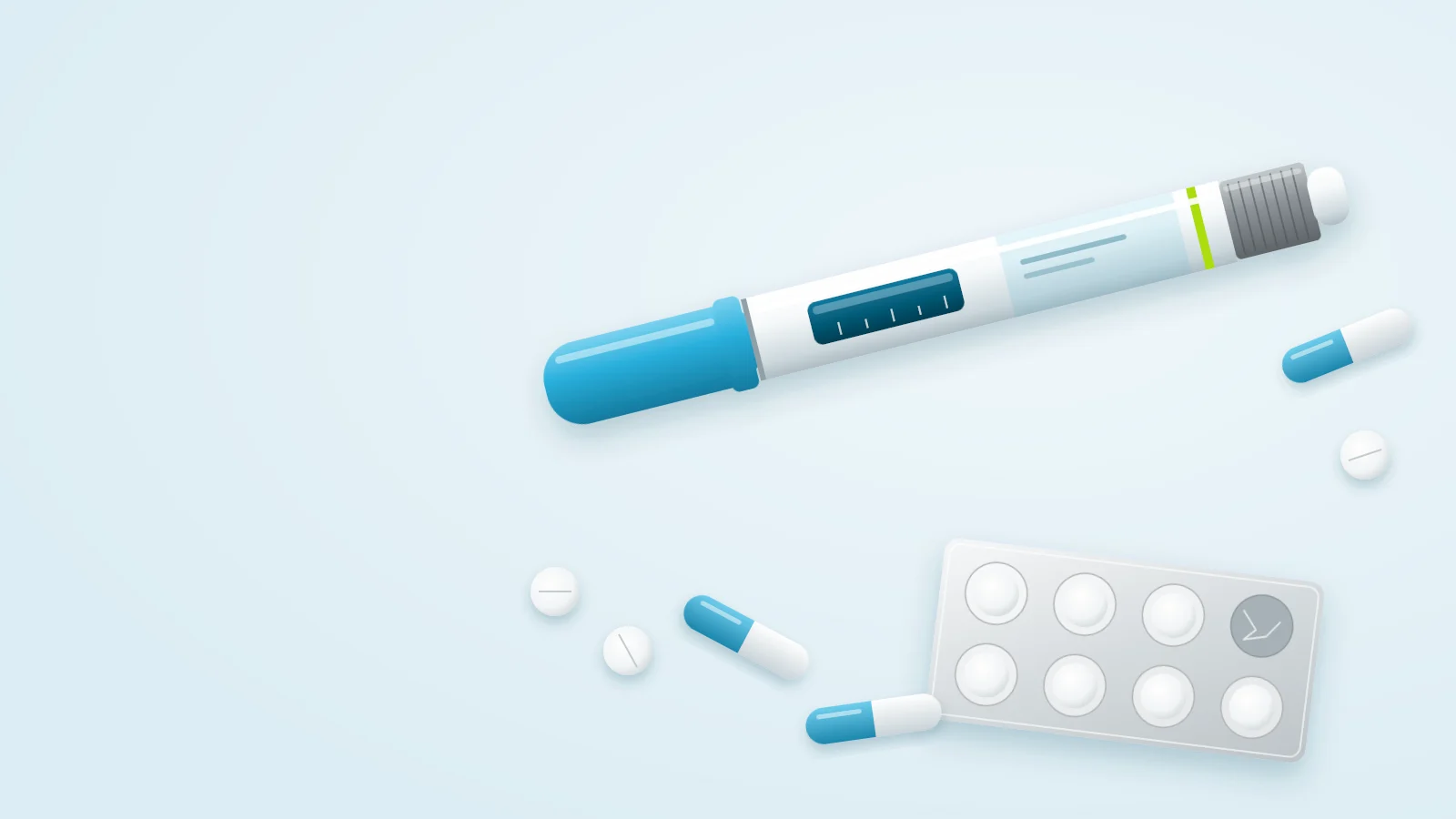
When the weight-loss drug Wegovy went on sale as an injectable pen in 2021, a month’s supply cost about $1,000 at a U.S. pharmacy. A pill version of the same drug now starts at $149 a month.
That pill helped its Danish maker, Novo Nordisk, raise its forecast for this year’s sales and operating profit on November 4, 2026, for the third time this year. The same day, Reuters reported that AstraZeneca had offered about $10 billion for Rhythm Pharmaceuticals, a U.S. company whose drug treats rare forms of severe obesity.
Both stories are about treating obesity once a person has it. The drugs can lower the risk of later illness, such as heart attacks, but they are prescribed after the weight has been gained. Far less money and attention go to the policies and services that keep people from becoming ill in the first place. That imbalance is the prevention gap.
The Preventive Health Readiness Index, published on November 10 by the FII Institute and FTI Consulting, was built to address it. “Health systems are typically measured by how they treat disease,” the report says. “Far less attention is paid to whether they are equipped to prevent it.” The index scores 114 countries on that second question, and none scored above 80 out of 100.
Cheaper for most patients
Wegovy and its main rival, Eli Lilly’s Zepbound, belong to a group of medicines known as GLP-1 drugs. They mimic gut hormones that curb appetite and help control blood sugar. Until this year, they were sold for weight loss only as injections.
Novo launched the Wegovy pill in the United States in January 2026. In the third quarter, the pill brought in 5.39 billion Danish crowns (about $810 million)—53% more than in the previous three months. Over the same quarter, Novo’s U.S. sales of injectable Wegovy fell 13%, while its combined U.S. sales of Wegovy in both forms rose 21%. Lilly’s rival pill, Foundayo, made $184 million in those three months. Novo estimates that its pill accounts for about 80% of new prescriptions for obesity pills in the United States. Mike Doustdar, its chief executive, told Reuters that Lilly is working hard to catch up.
For patients who pay out of pocket, both pills start at $149 a month for the lowest dose. Since July 1, 2026, a pilot program has also let eligible members of Medicare, the U.S. government health plan mainly for people aged 65 and over, get the drugs for $50 a month. Novo’s U.S. head said the program was largely behind a rise of about 20% in the pill’s volumes from one quarter to the next. Lower drug prices reduce what the compani