For decades, Europe operated on a stable assumption: security enabled prosperity.
A predictable geopolitical environment, open trade routes, and deep economic integration allowed governments to focus on growth, investment, and competitiveness as separate from security concerns.
At FII Priority Europe, speakers pointed to a different reality: that separation no longer holds.
In today’s geoeconomic environment, security is produced through more than defense budgets and diplomacy. It also depends on industrial capacity, technological sovereignty, resilient supply chains, and the ability to develop and retain talent.
Across sectors, from defense and energy to trade and AI, the message was consistent: Europe’s strategic position will be shaped as much by its industrial base as by its external borders.
This shift creates a deeper structural requirement. Europe must move from coordination in principle to integration in practice. As protectionism strengthens globally and states retreat into national industrial strategies, fragmentation becomes strategically costly.
The End of Efficiency-First Globalization
The global economy is not deglobalizing. It is reorganizing around security, trust, and control of critical systems.
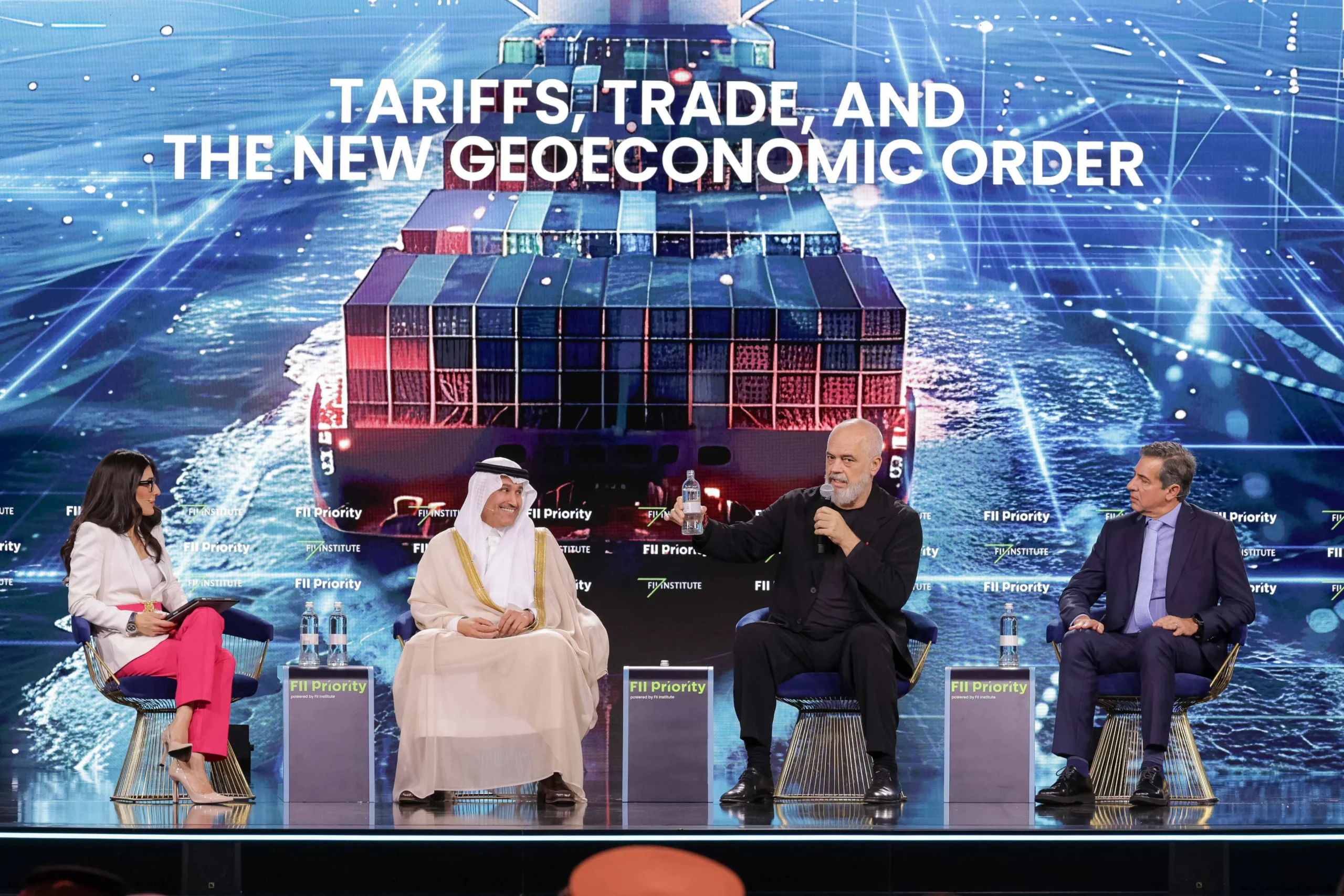
Trade is increasingly shaped by tariffs, geopolitical rivalry, and supply chain disruption. As Fernando Galletti de Queiroz, CEO of Minerva Foods, noted, “The unpredictability that the tariffs bring is that the supply chains have to reinvent themselves.”
In this environment, volatility is no longer absorbed by margins. It is transmitted directly into prices and inflationary pressure, especially in sensitive sectors such as food.
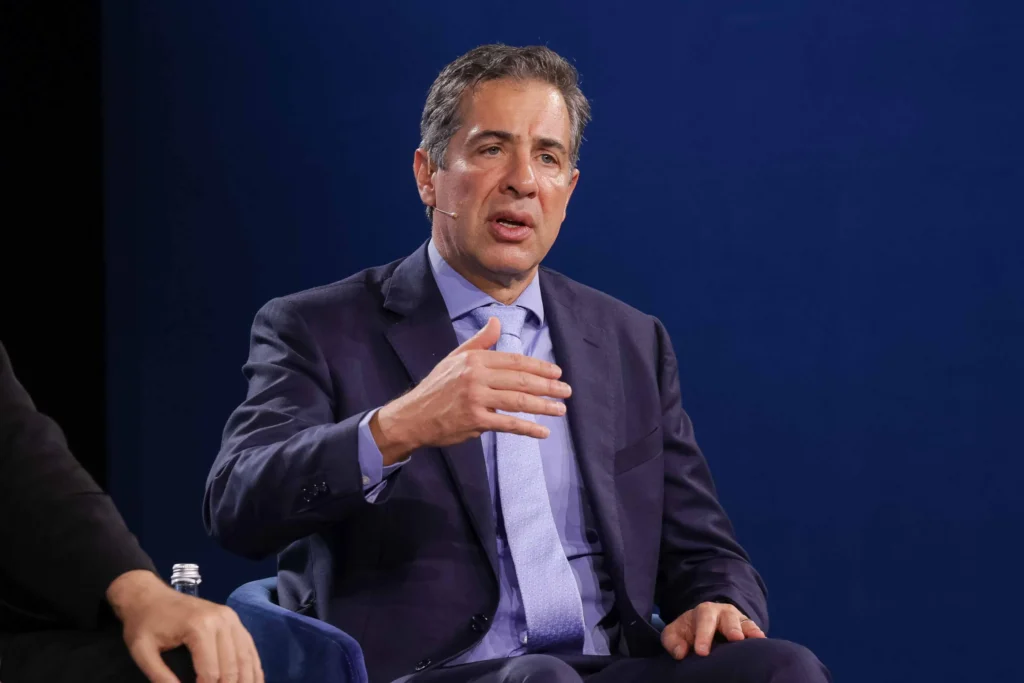
This is also changing the logic of interdependence. Efficiency alone is no longer the dominant organizing principle. Companies are prioritizing resilience and the reliability of partners. As Galletti de Queiroz added, “You do business based on who you trust.”
At the same time, technological competition, especially around AI, semiconductors, data infrastructure, and energy systems, is accelerating another layer of reconfiguration. Supply chains tied to strategic technologies are clustering around trusted geopolitical partners, while more cost-driven chains remain global.
The result is not the end of globalization. It is the transformation of globalization into a more strategic and segmented system.
Europe’s Core Constraint Is Fragmentation, Not Investment
Europe is already increasing defense and security spending at scale. Yet multiple speakers warned that funding alone will not resolve the continent’s structural weakness.
The issue is not the absence of capital. It is duplication of effort and national silos that prevent scale.
As Pierroberto Folgiero, CEO of Fincantieri, put it: “We should avoid to build the Italian Corvette, the French Corvette, the German Corvette… because at the end of the day, we are going to sail in the same seas.”
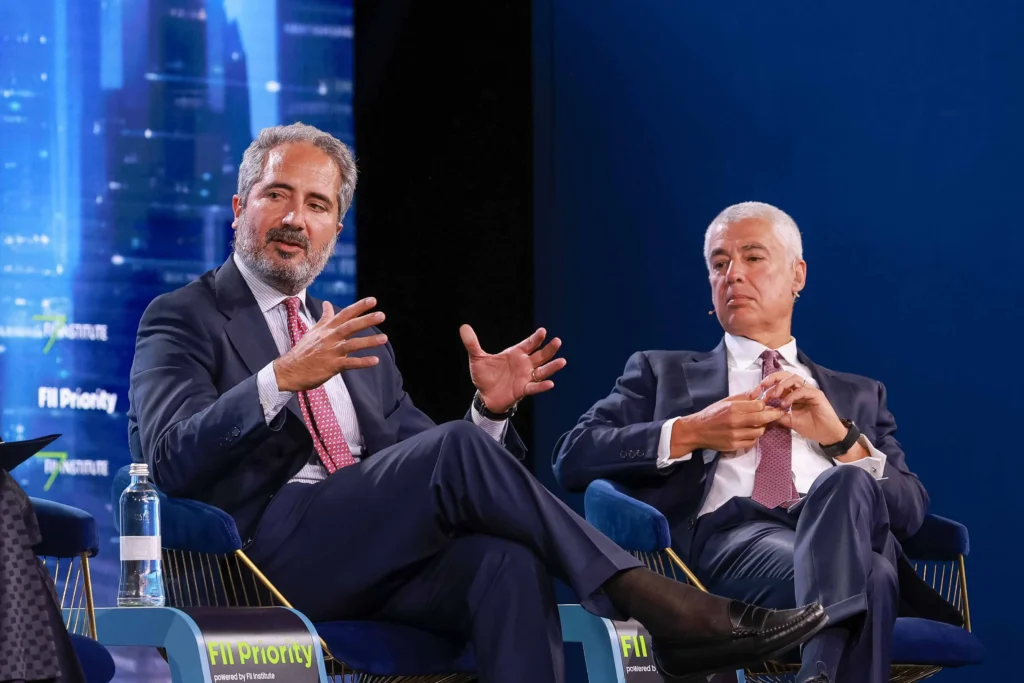
His point reflects a broader industrial paradox. Europe competes globally in a world where scale, speed, and integration determine competitiveness, yet it continues to organize key capabilities along national lines.
As Edi Rama, Prime Minister of the Republic of Albania, said, “The number one problem of Europe is politics… the capacity to have a common vision, take common decisions, to implement in time everything that is decided.”
This is why initiatives such as the EU’s SAFE mechanism, Security Action for Europe, were repeatedly referenced. They were presented as attempts to rewire incentives, rather than as declarations of intent. SAFE pushes cooperation between member states through spending timelines and European content requirements, aiming to ensure that investment translates into shared capability rather than parallel national programs.
The underlying challenge is clear. Europe does not only need to spend more. It needs to spend together in ways that build interoperable industrial capacity.
From Procurement to People: Building Europe’s Talent Base
While capital is available and industrial policy is accelerating, talent is emerging as a bottleneck.
Domitilla Benigni, CEO and COO of ELT Group, highlighted a structural mismatch between Europe’s emerging security and technology domains and its education systems.
“The new domains are not yet studied in university,” she noted.
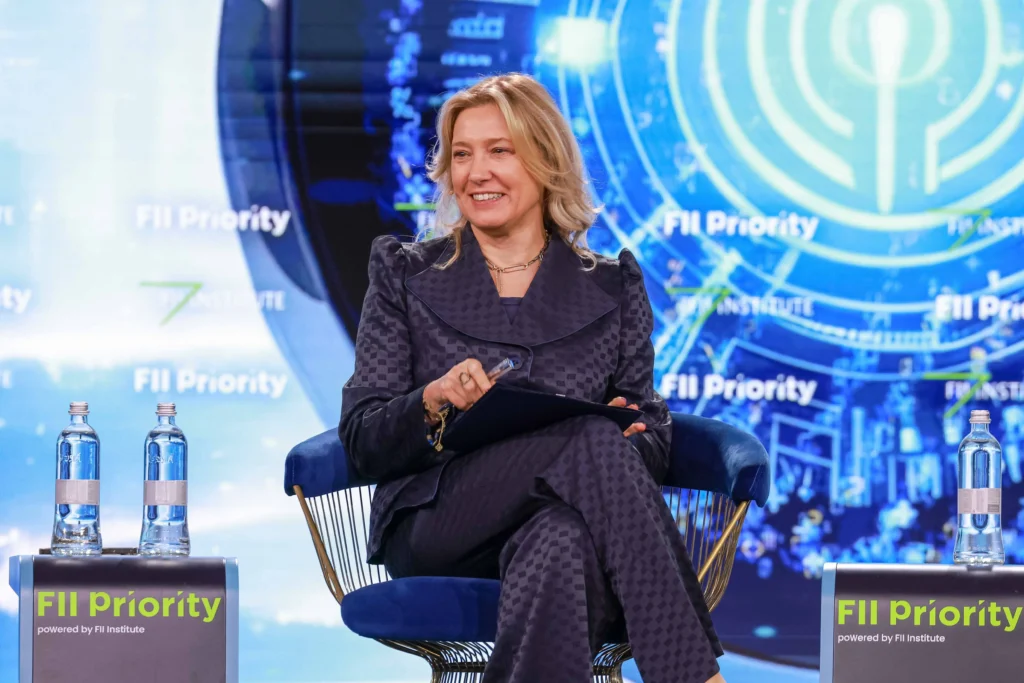
This expands the meaning of strategic autonomy. It is not only about supply chains or procurement decisions. It also requires long-term investment in education, engineering capacity, and cross-disciplinary skills that are still not fully reflected in formal curricula.
“You cannot procure talent. You cannot manufacture it. You have to develop it,” Benigni concluded.
Security Has Expanded Beyond the Battlefield
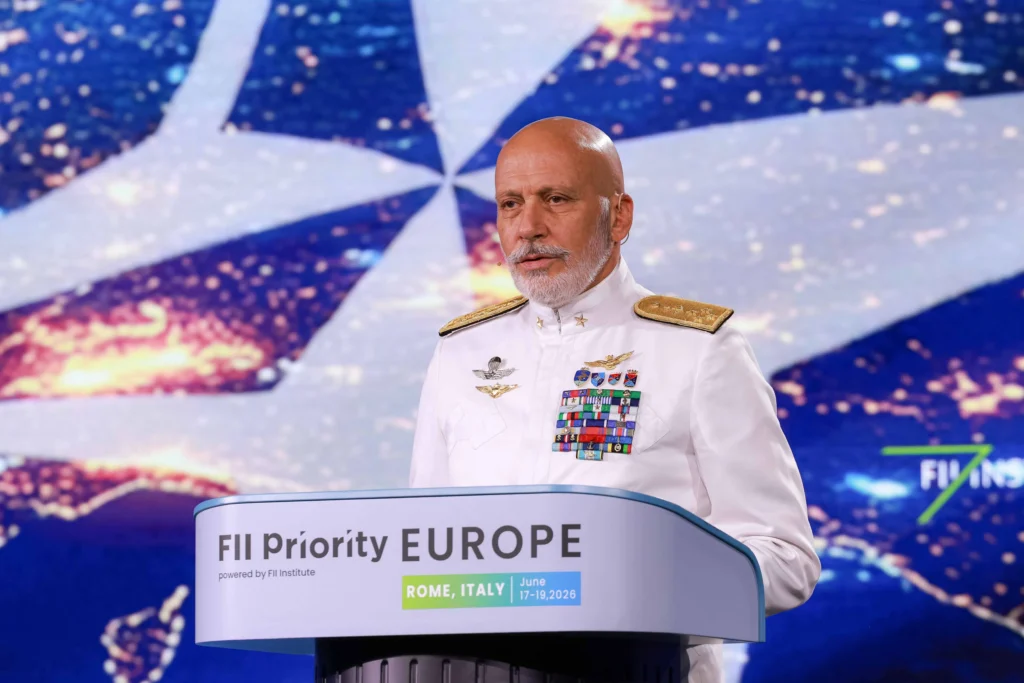
The nature of security itself is also changing.
Admiral Giuseppe Cavo Dragone, Chair of the NATO Military Committee, reinforced this shift from a systemic perspective: “Capital, technology, resilience, and security are now part of the same equation.”
That equation changes how deterrence is understood. Security no longer depends only on military budgets. It also depends on whether economies can generate industrial capacity, technological capability, and long-term resilience.
As he warned: “Industrial capacity cannot be improvised during the crisis.” Nor can “skills, workers, engineers, shipyards, software teams, and secure supply chains.”
He also reframed strategic autonomy: “It is not about who can act alone, but about who can build trusted networks strong enough to generate and sustain security, resilience, and deterrence.”
From an operational standpoint, Lorenzo Mariani, CEO and General Manager of Leonardo S.p.A., stressed that “the real element is complexity.”
Modern threats span drones, hypersonic systems, cyberattacks, and cognitive warfare. These domains blur the line between civilian infrastructure and military preparedness.
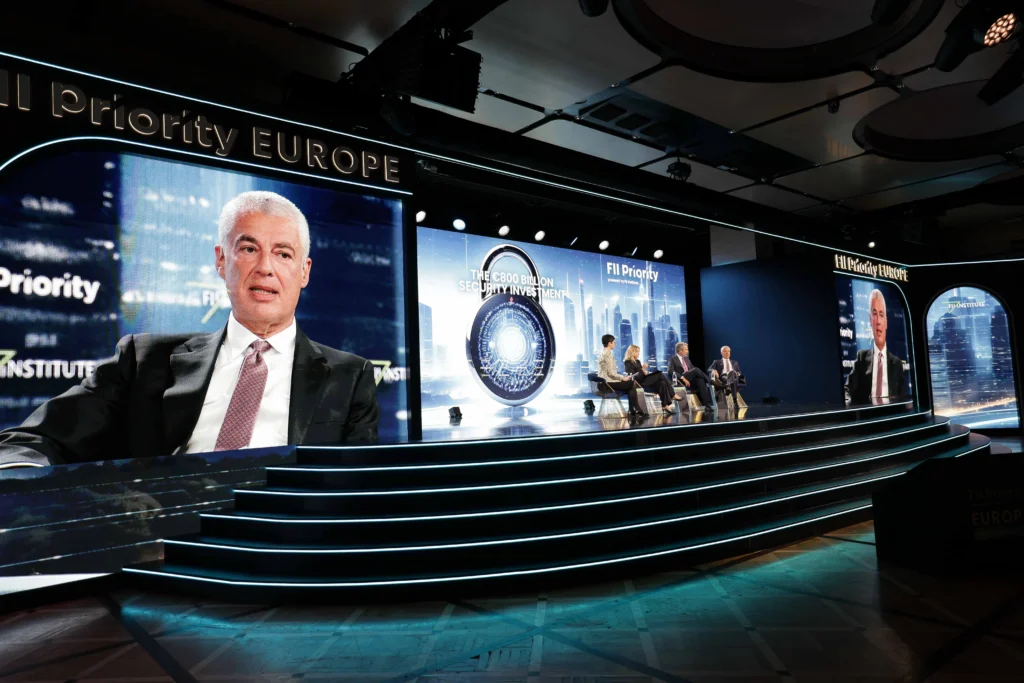
In this environment, Mariani argued, “the only real answer is collaboration.” His point reinforced a wider theme: persistent protectionism and national industrial duplication are increasingly incompatible with the nature of emerging threats.
From Economic Union to Strategic System
The central shift emerging from these discussions is clear. Europe is moving from a model in which economic integration supported security to one in which economic systems form the foundation of security.
In this new geoeconomic environment, competitiveness, resilience, and deterrence converge. Industrial policy becomes strategic policy. Supply chains become security architecture. Fragmentation becomes vulnerability.
Europe’s challenge is no longer defining what it wants to build. It is whether it can build it together.