
The most eye-catching stories around artificial intelligence tend to focus on extraordinary compensation and the competition to attract the most sought-after talent. But the more revealing signal may not be how much is being paid for a small number of specialists, it may be what that race is saying about the market now taking shape around AI.
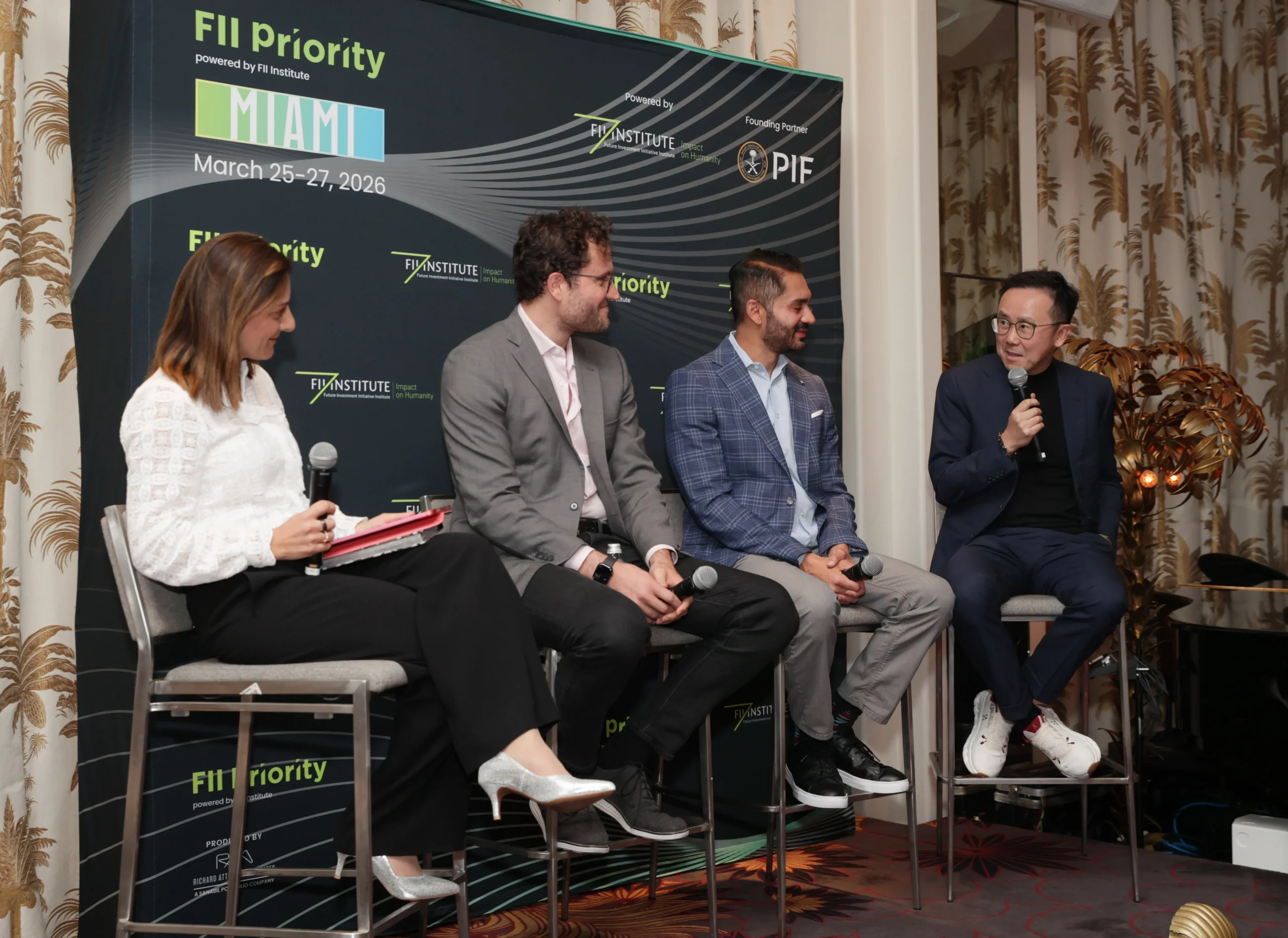
At FII PRIORITY Miami 2026, during the session FII Debate: Who Wins and Who Pays When Regulatory Fragmentation Is Priced Into Tech?, one of the clearest insights was that AI talent is becoming an early indicator of how value is being redistributed across the technology economy: between productivity, scarcity, execution capacity, and a slower-than-expected pace of adoption inside many companies.

Raj Ganguly, Co-Founder & Co-CEO of B Capital, focused on the real productivity gains already being generated by certain technical profiles. “We have a guy on our internal AI engineering team who ships today a hundred times the code that he used to ship a couple of years ago,” he said, explaining why the market is willing to assign such high value to certain types of talent. In the same vein, he added that “talent is priced correctly” and that “coding has been the most impacted area in the world by AI so far.”
His argument was clear: part of that premium reflects not only expectations, but tangible results.
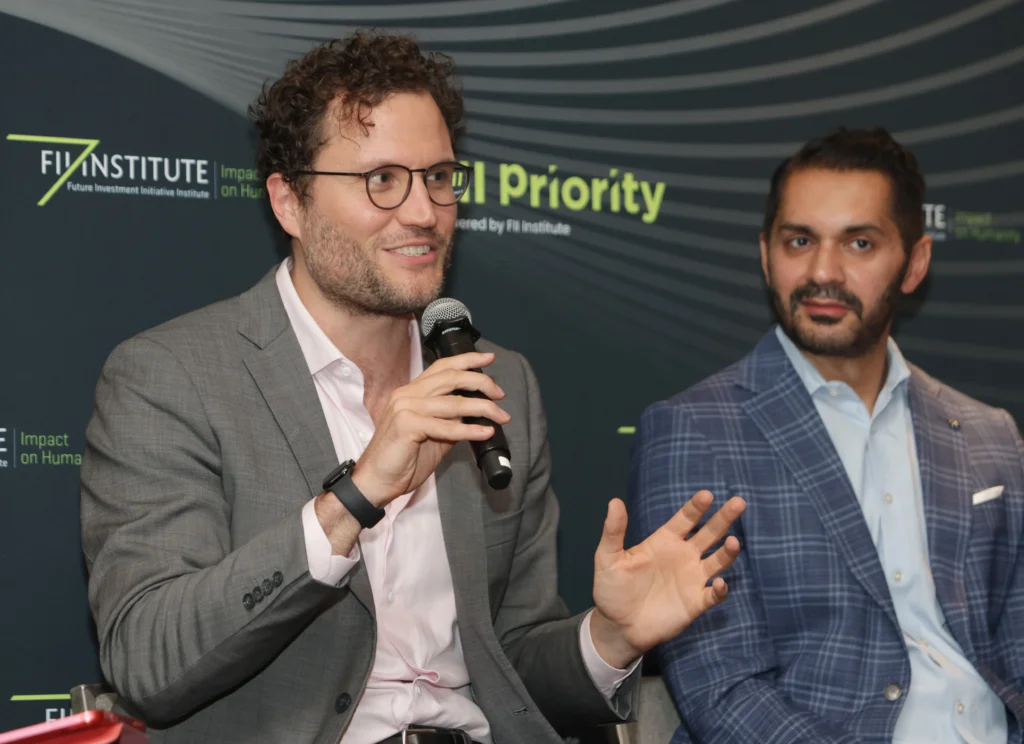
Ben Casnocha, General Partner at Village Global, introduced an important note of nuance. In his view, the most extreme compensation packages are real, but they apply to a very small group. “There’s probably under 500 people, okay, in all of tech,” he said, before warning that the most important angle is not only what is happening at the very top of the field, but what AI may mean for the broader technology labor market. “The more provocative dynamic is what’s happening to the mainstream mass market tech worker,” he noted.
In other words, beyond the headlines, the deeper question is how AI may begin to redefine expectations around productivity, contribution, and value for a much wider segment of the workforce.
The next AI Bottleneck is Inside the Enterprise
That contrast between extraordinary salaries at the top and a far more uneven transition across the rest of the market led to another important reflection: AI adoption is still moving more slowly than many expected.
Casnocha made that point clearly, noting that three years after the launch of ChatGPT, most companies still have very little AI meaningfully embedded in their organizations.
Rather than suggesting a slowdown, that observation points to a dual reality: there is still significant room for opportunity, but there is also reason to be more cautious in forecasting the speed of change.
Ganguly linked that slower pace to a very practical obstacle: data. In his view, AI will not be able to deliver its full impact until companies are better able to capture, organize, and use their information. As he put it, “90% of data is not captured,” while much of the rest remains scattered across Excel files and multiple internal systems.
The next leap, he suggested, will depend not only on better models, but on stronger operational foundations: finding data more effectively, capturing it better, and making it truly usable.
A World Moving at Two Speeds
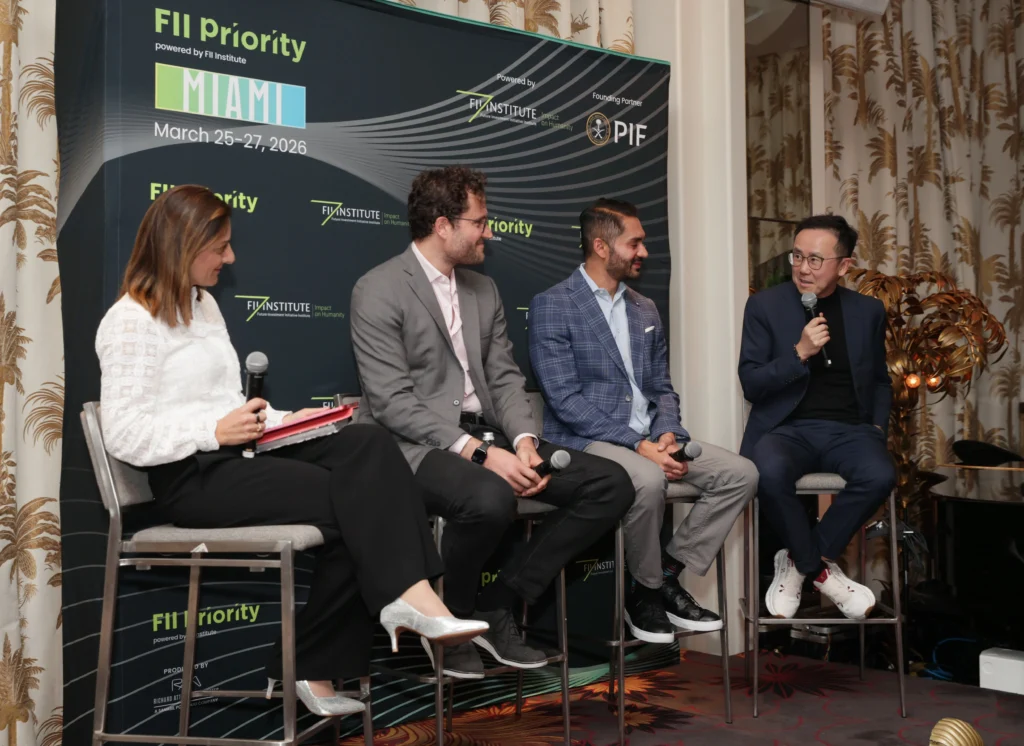
Patrick Zhong, Founding Managing Partner at M31 Capital, placed the discussion within a broader transition. In his closing reflection, he recalled an idea from Zbigniew Brzezinski to describe a moment in which two different logics coexist: that of an analog, industrial world associated with linear growth, and that of a technological world shaped by much faster acceleration.
Rather than offering a fixed conclusion, his remarks helped frame the discussion within a broader shift of era, one in which markets, companies, and individuals are still adapting to a more rapid and more complex pace of transformation.
Taken together, the discussion pointed to a central idea: the race for AI talent is not only about exceptional compensation. It is also about how the market is beginning to price productivity, the rarity of specialized knowledge, and future advantage, even before AI adoption has fully spread across companies.
The most revealing signal may not be the number in the headline, but what that number is beginning to tell us about the next phase of the market.
Produced by: FII Institute’s Editorial Team