
The conversation around big opportunities often starts with size, speed or valuation. But in many cases, the real challenge begins later, when the question is no longer what is possible, but what can actually be delivered.
That was one of the threads connecting two very different panel discussions on the afternoon of Day 2 at FII PRIORITY Miami 2026. One focused on co-investments in private markets. The other explored physical AI and simulation. The sectors were different, but both discussions pointed in the same direction: scale is still attractive, but making it work is becoming more demanding.
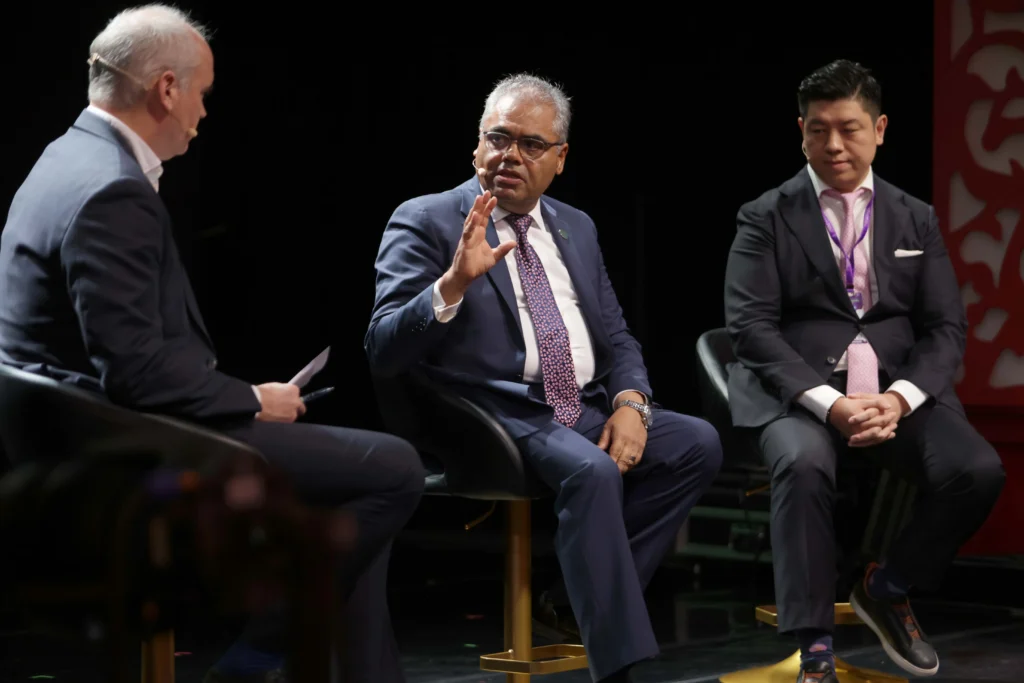
In the co-investment session, the emphasis was not so much on the appeal of larger deals as on what it takes to participate in them well. Rishi Kapoor, Vice-Chairman & CIO of Investcorp, described co-investments as “a much more programmatic vehicle,” reflecting how far the market has moved beyond selective, ad hoc participation. Henry Zhang, President & Managing Partner of Hermitage Capital, captured the pressure that comes with that shift when he said, “Timeline is a few days, right?” The point was not simply that opportunities are bigger, but that acting on them now requires speed, structure and the capacity to make decisions under tighter timeframes.
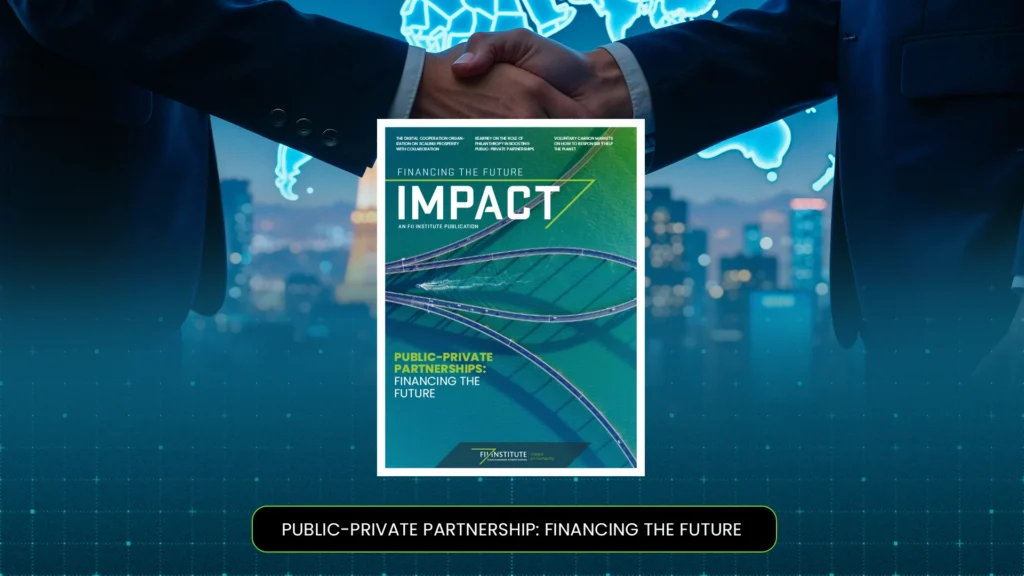
That broader question of execution is also reflected in FII Institute’s report Public-Private Partnerships: Financing the Future, which argues that delivering large-scale projects is not just a matter of capital, but of coordination — “a translation exercise between two worlds” with different views of risk, success and accountability. In that sense, the ability to align incentives, timelines and expectations becomes as critical as access to capital itself.
From capital to infrastructure
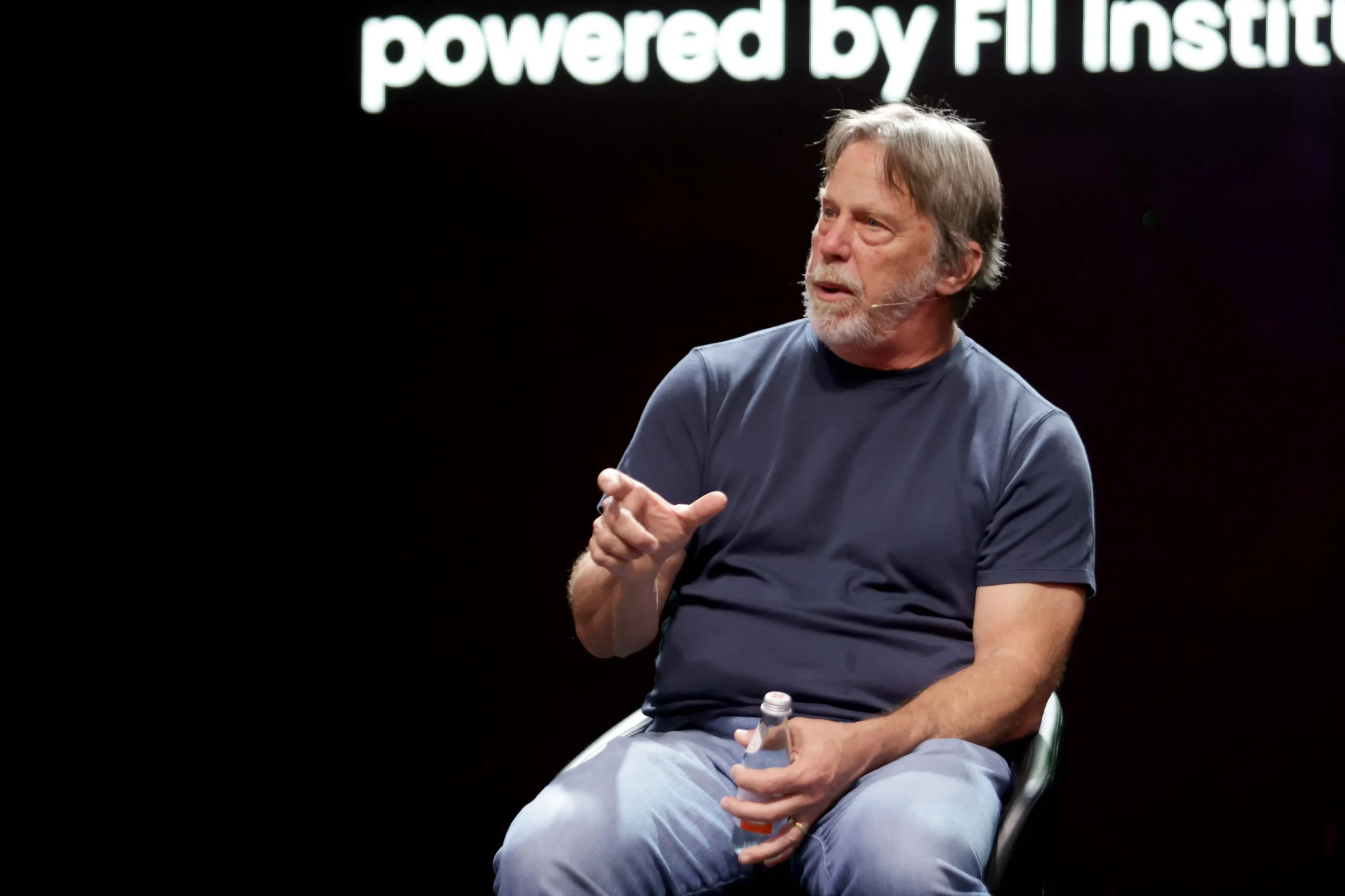
The second panel approached that same pressure from the technology side. Here, the question was not how to allocate capital, but how to bring AI into real-world use. Jim Keller, CEO of Tenstorrent, said, “We see an opportunity to really lower the cost of AI,” pointing to the importance of infrastructure that is more accessible and easier to work with. Dr. Raquel Urtasun, CEO & Founder of Waabi, focused on what that looks like in autonomous systems, stressing that “simulation is an absolute must” when AI has to be trained and validated before operating in the real world. Her reference to long-haul trucking in North America as a “trillion dollar market” underlined the scale of what is at stake when that process works.
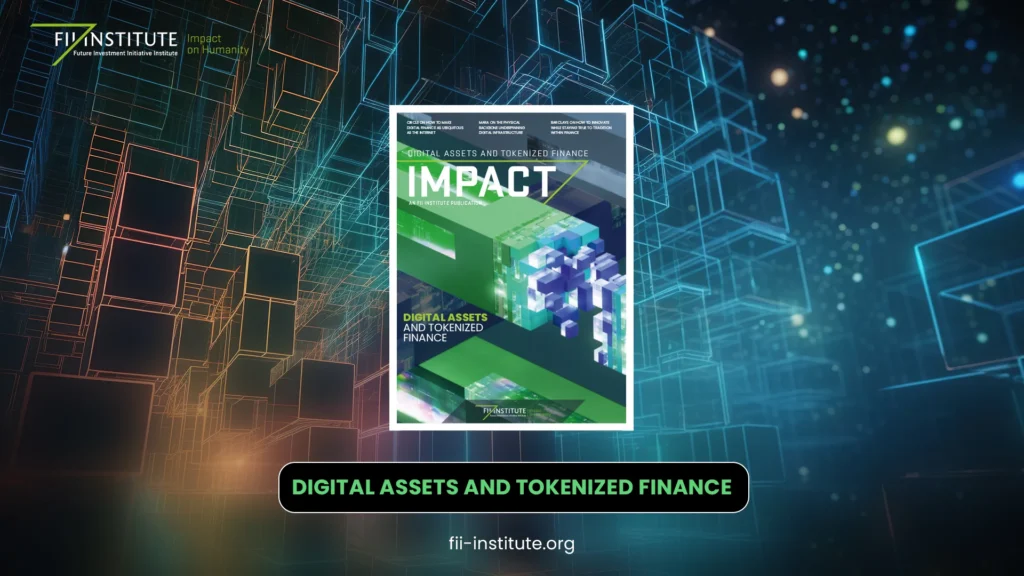
FII Institute’s report Digital Assets and Tokenized Finance reinforces that point, noting that “the physical backbone of digital infrastructure is becoming increasingly strategic” as demand for compute continues to rise. Citing International Energy Agency data, the report highlights that global data center electricity consumption could increase significantly by the end of the decade — a reminder that scaling AI is not only a software challenge, but a physical one.
Taken together, the two discussions suggested something simple but important: in both finance and AI, the opportunity may be large, but delivering on it is becoming the harder part.
Produced by: FII Institute’s Editorial Team