





In Miami, the prevailing mood was not one of retreat, but of continuity and confidence. In an increasingly complex global landscape, the Gulf emerged in the conversation not as a region under pressure, but as one that has spent years preparing to operate with strength through uncertainty. The central question was no longer simply where capital is moving, but why confidence continues to gravitate toward economies in the GCC that have built long-term foundations based on planning, resilience and strategic vision.
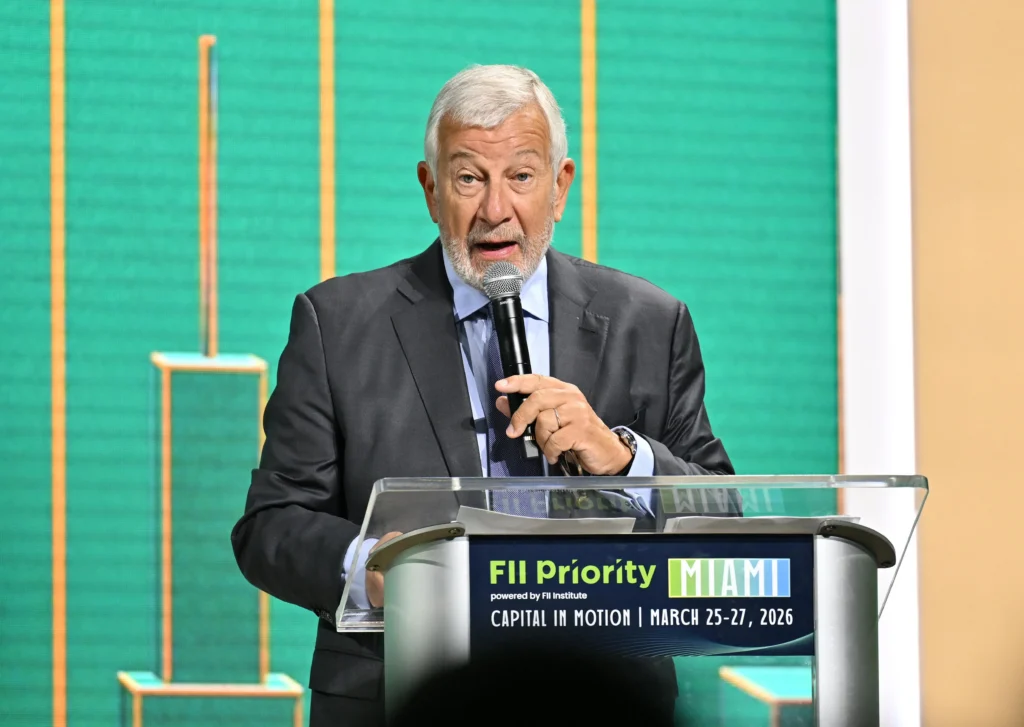
After a highly insightful Day 0, with a strong focus on Latin America and venture capital, the morning of Day 1 at FII PRIORITY Miami 2026 opened with Richard Attias, Chairman of the Executive Committee, and Acting CEO of the FII Institute, underscoring a message that would carry through the day: “Gatherings like the FII Summit are not a luxury, they are a necessity, because progress does not happen in isolation, it happens when people come together, share perspectives, and leaders choose to engage.”
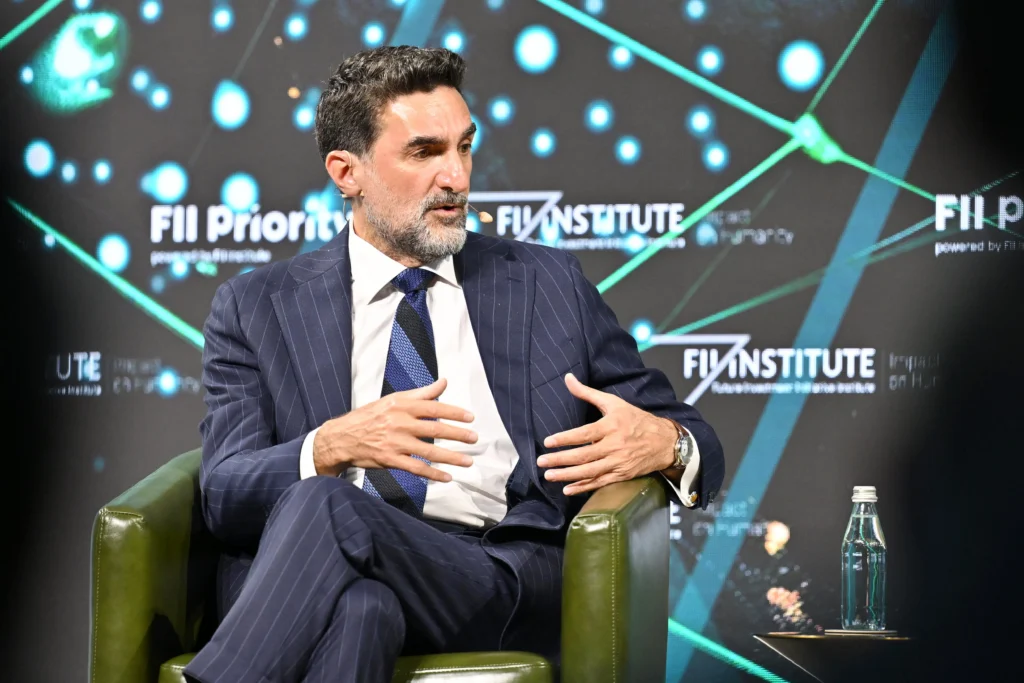
H.E. Yasir Al-Rumayyan, Governor of the Public Investment Fund, framed that confidence clearly: “The Saudi macroeconomic position remains strong, stable, and resilient. And the PIF’s portfolio is well diversified and structurally resilient.” He added: “We are a long-term investor. We measure our returns, not in quarters, but in decades. And PIF remains committed to its investments around the world.”
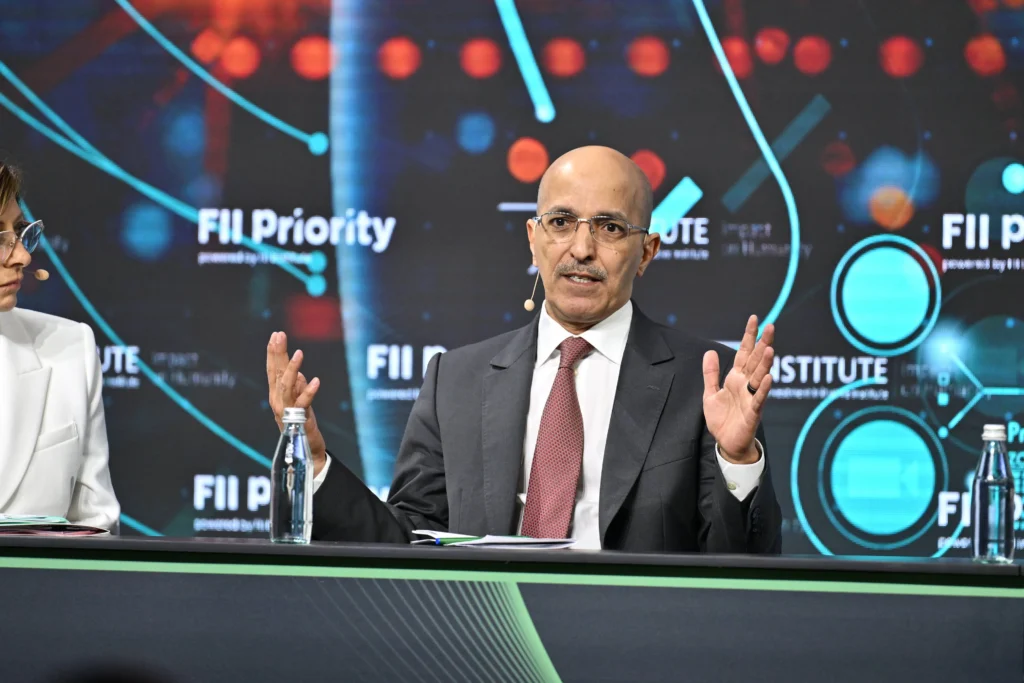
That long-term approach was reinforced by H.E. Mohammed bin Abdullah Al-Jadaan, Minister of Finance of the Kingdom of Saudi Arabia, who pointed to certainty, resilience, growth potential and long-term vision as the qualities investors are seeking most. His message was clear: in the Gulf, resilience is not reactive. It is strategic.
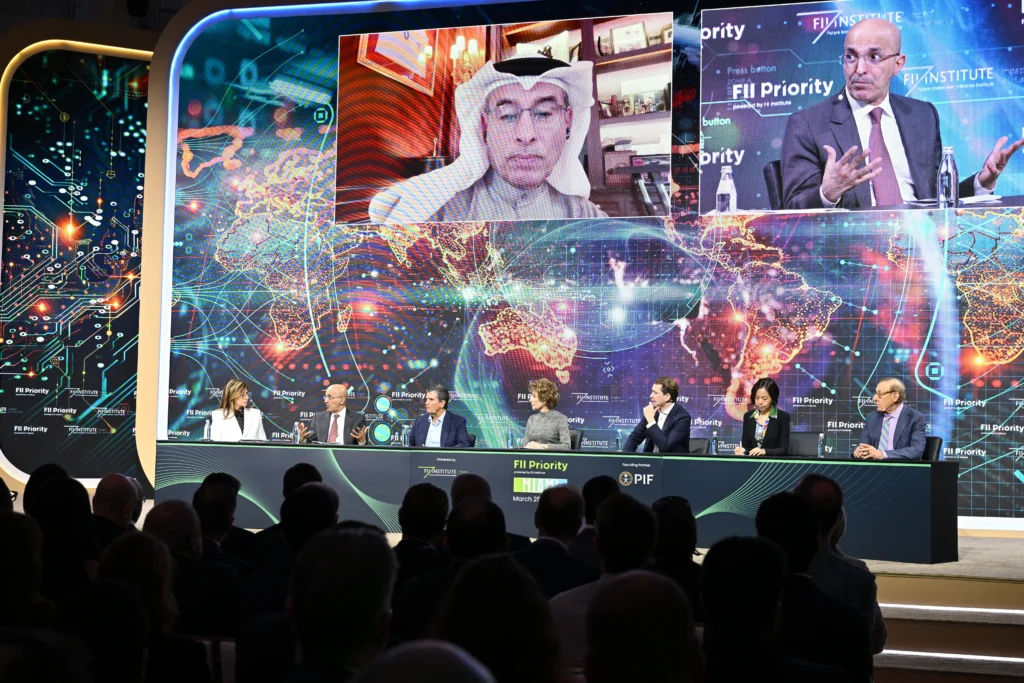
From the private sector, Mohamed Alabbar, Founder of Emaar Properties and Founder of Noon.com, underlined the importance of building for the long term, while stressing the value of stability, continuity of leadership and the region’s ability to keep attracting talent into Saudi Arabia and the United Arab Emirates.
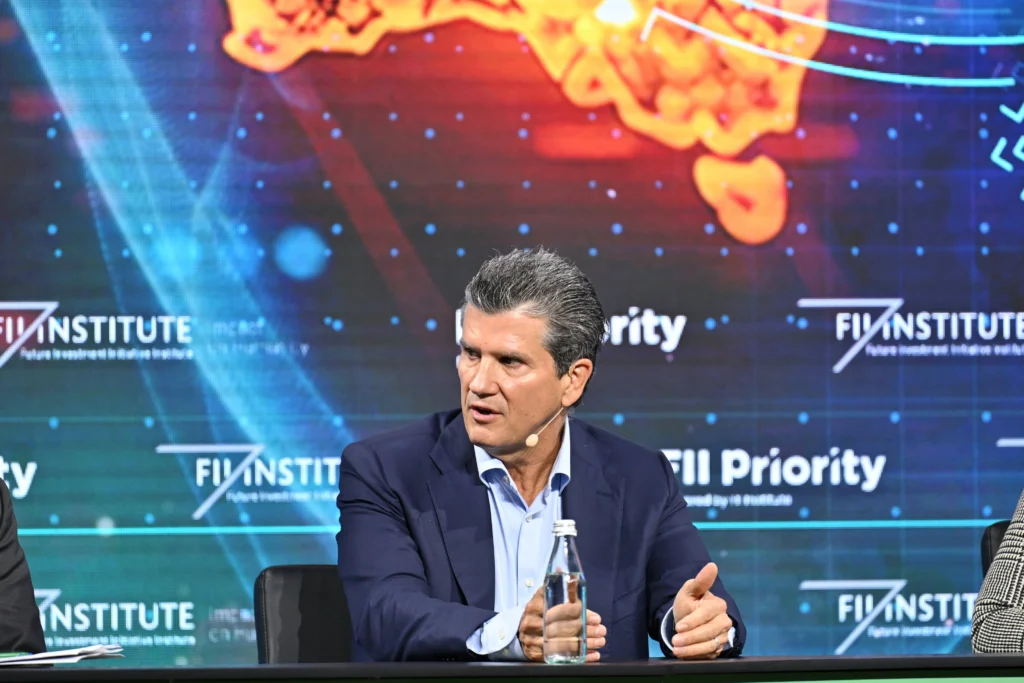
That confidence was echoed by William E. Ford, Chairman and CEO of General Atlantic, who argued that capital will continue to favor places where companies can flourish, entrepreneurs can build and capital markets support long-term growth. Increasingly, the Middle East is being seen through that lens.
AI is becoming a national infrastructure decision
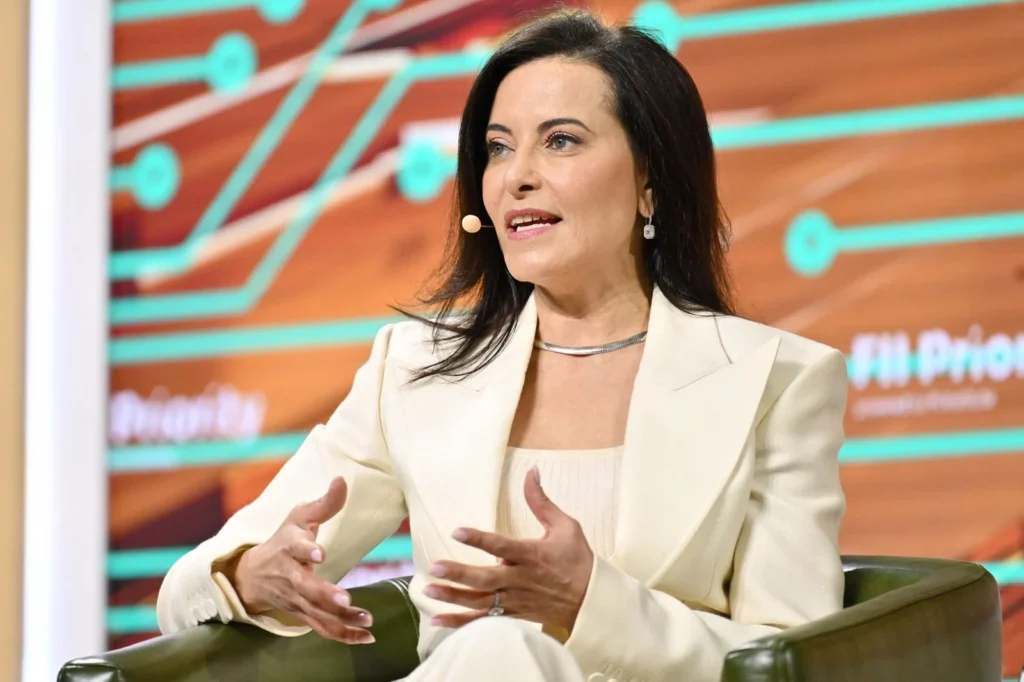
That case becomes even stronger in the AI era. Dina Powell McCormick, President & Vice Chairman of Meta, described AI as a transformation powered by capital, energy and talent, but also one that depends on how deeply digital tools are already embedded in everyday economic life.
She pointed to Saudi Arabia as a clear example of that readiness: 90% of people are on WhatsApp, while 95% of small and medium-sized enterprises use it to run their businesses, alongside a highly dynamic population, with 65% under the age of 35. These indicators reflect not just digital adoption, but an economy already operating at scale in a connected environment.
At the same time, she stressed the magnitude of what comes next. Advancing AI globally will require over $10 trillion in capital, more than 250 gigawatts of power, and a major expansion of skilled labor, including 500,000 electricians needed in the United States alone over the next two years.
Taken together, her message was clear: the next phase of AI will not be defined by innovation alone, but by which economies can combine digital readiness with the infrastructure, energy and talent needed to scale it.
What stayed with many in the room was a broader sense of direction. The Gulf is increasingly being recognised not only for the scale of its capital, but for the consistency of its planning and its ability to align investment, infrastructure and talent around long-term priorities. In a more demanding global environment, that combination helps explain why the GCC continues to stand out in conversations about growth, resilience and future readiness.
Produced by: FII Institute’s Editorial Team
On the morning of Day 1 at FII PRIORITY Miami 2026, the plenary sessions made one thing clear: in a more demanding global environment, countries are being judged less by ambition alone and more by their ability to build, adapt and deliver. Across discussions on geoeconomics, AI, regulation, infrastructure and private markets, the focus kept returning to the same question: what makes a country attractive when risk is more complex, technology is moving faster, and global investors are looking for stronger foundations?
Amid geoeconomics challenges, supply chain pressure and a global race for AI capacity, the question in Miami shifted from where money is going to what kind of country can attract it, retain it and turn it into long-term value. Across the sessions, leaders returned to the same idea from different angles: resources flow toward resilience, talent, clarity and execution.
Strategy as a competitive advantage
That long-view framing carried through the morning. H.E. Mohammed bin Abdullah Al-Jadaan, Minister of Finance of Saudi Arabia, pointed to the economic consequences of current regional tensions in terms that extended beyond oil. The strain, he said, is affecting refined products, fertilizers, steel, aluminum and petrochemicals, with supply chain disruption already running deep. In that environment, investors are looking for “certainty, resilience, growth potential, and long-term stance.”
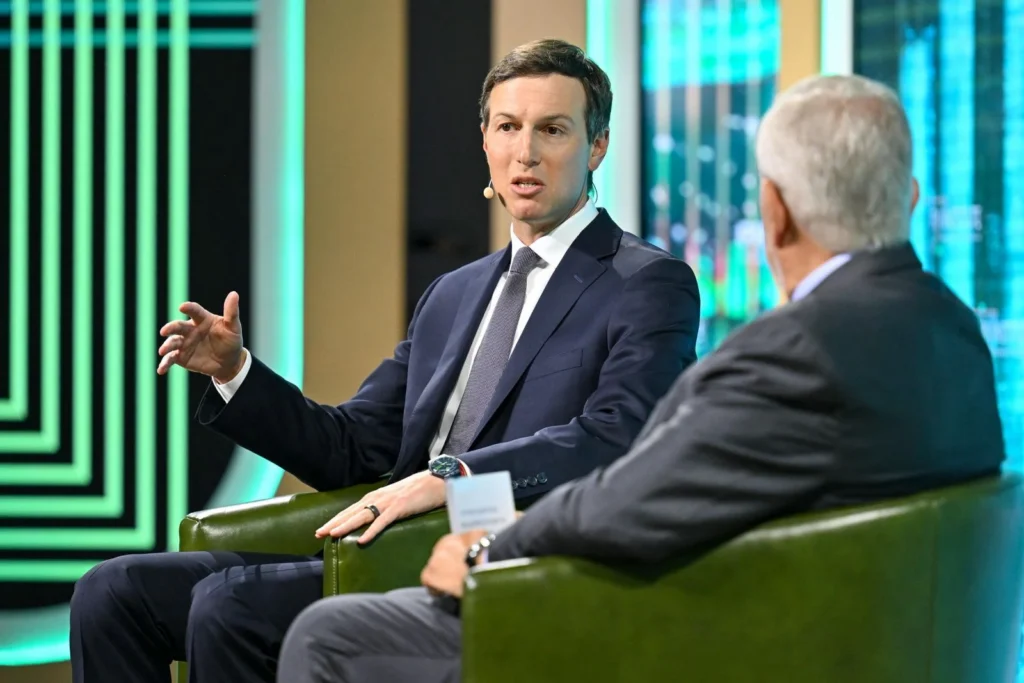
Jared Kushner, Founder and CEO of Affinity Partners, captured that shift with this statement: “I remember seeing Saudi Arabia’s Vision 2030 for the first time… and I remember saying, wow, all countries should have a business plan.” In today’s market, countries are competing the way companies compete for market share: through strategy, continuity and execution.
Talent, regulation, and the conditions to build
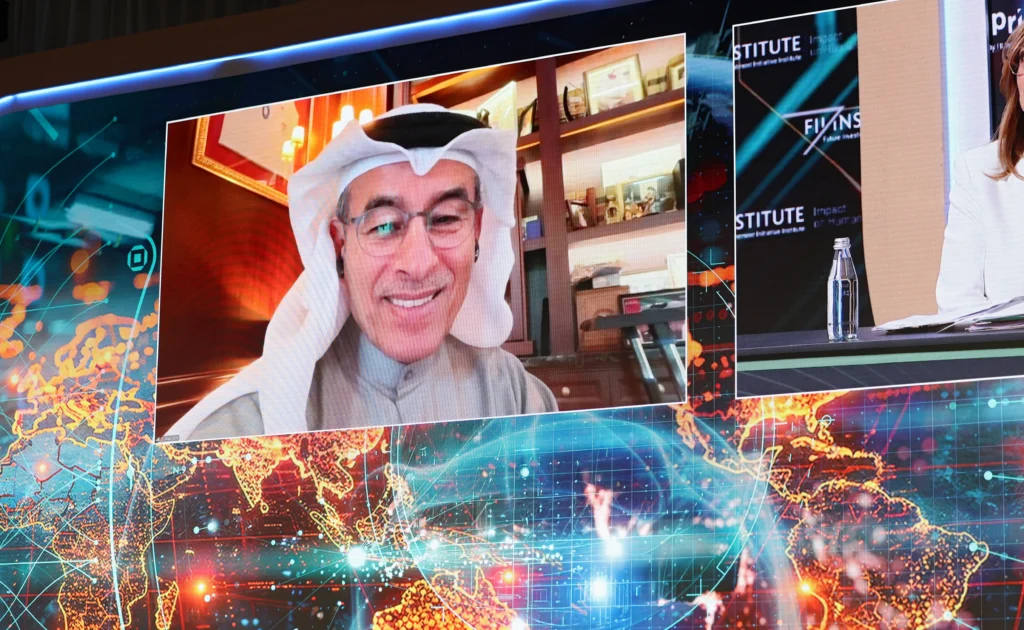
That competition is increasingly tied to talent. Mohamed Alabbar, Founder of Emaar Properties and Noon.com, described the region as a magnet for young, skilled populations, with talent flowing into Saudi Arabia and the UAE. William E. Ford, Chairman and CEO of General Atlantic, pointed to the same dynamic from a financial perspective, highlighting that the markets that create the right environment for entrepreneurs, companies and liquidity are the ones that attract sustained interest.
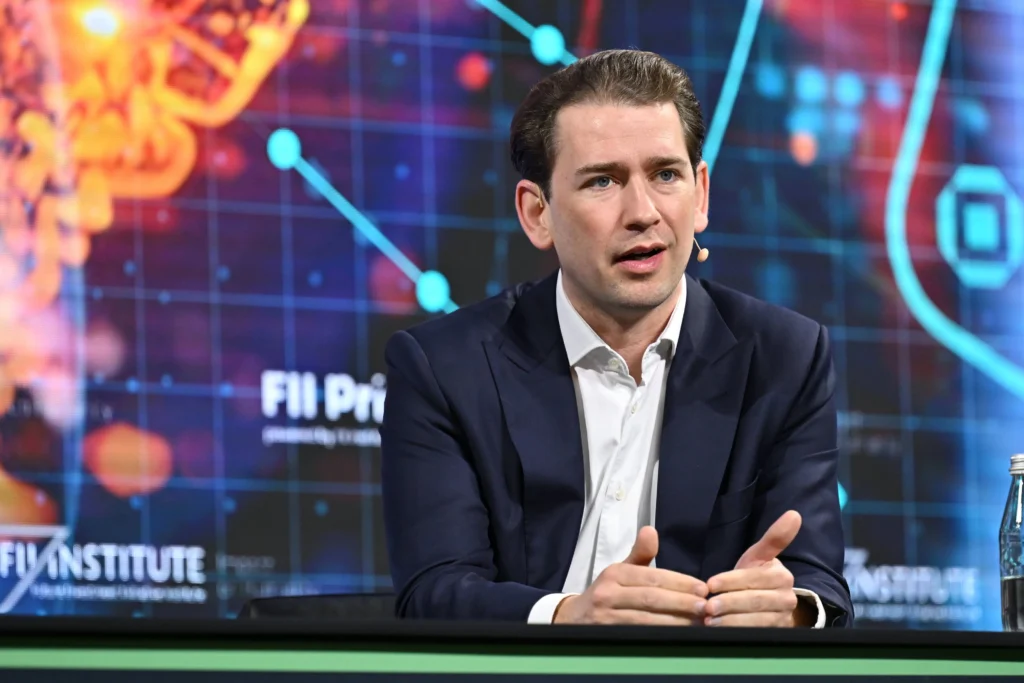
Regulation plays a central role in shaping that environment. Sebastian Kurz, Former Chancellor of Austria and Co-Founder of DREAM, warned that excessive regulation is pushing talent and financial activity away from parts of Europe, while other regions are becoming more attractive for builders. Dr. Fei-Fei Li, Professor at Stanford University and Co-Founder and CEO of WorldLabs, called for balance, specifically when it comes to AI. “I’m actually not saying we should just infinitely increase regulation… there needs to be a healthy balance.” Her point reflected a broader reality, where governance is becoming a defining factor in how technology scales across markets.
AI as infrastructure: capital, energy, and people
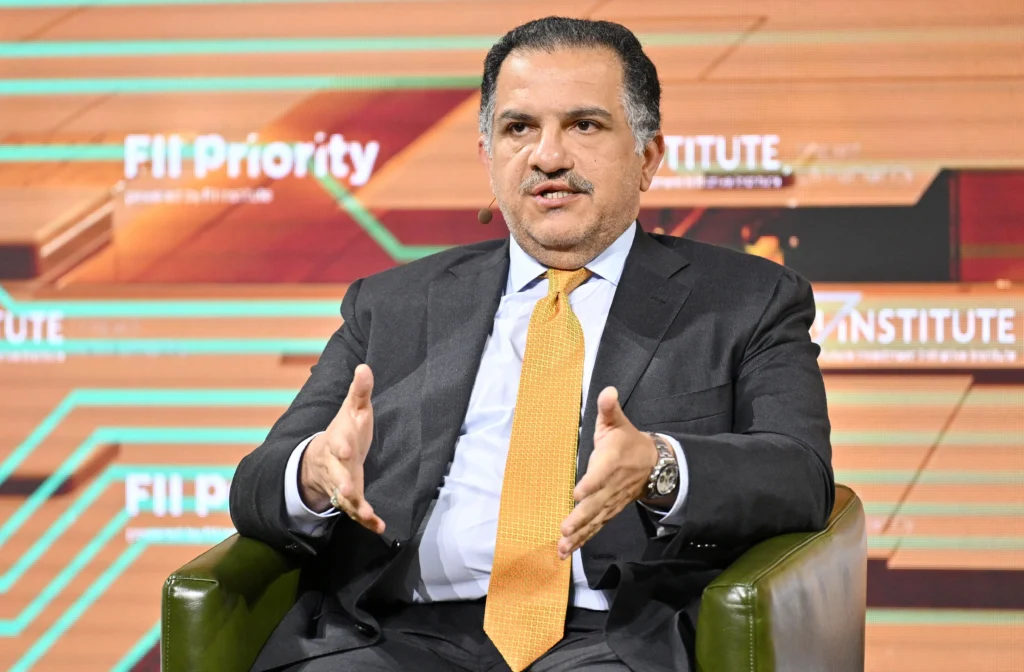
Nowhere was that more visible than in the discussion around artificial intelligence. H.E. Mohammed Al-Sheikh, Minister of State and Board Member of PIF, framed the challenge in human terms. “The way I view AI is it’s the brain… but humans have the heart. And the challenge is how do we bring them together?”
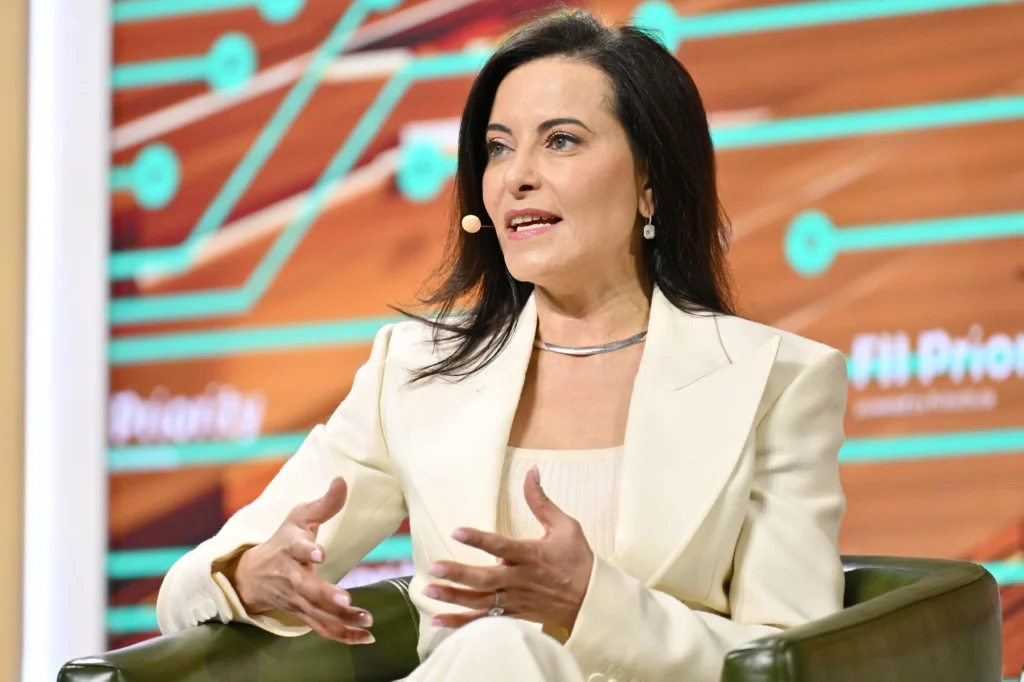
Dina Powell McCormick, President and Vice Chairman of Meta, translated that into the building blocks of the AI economy. “AI requires capital, energy, and talent,” she said, pointing to the scale of funding needed to support the next phase of growth. That includes trillions of dollars in capital, massive energy demand and a workforce capable of building and maintaining the infrastructure behind it.
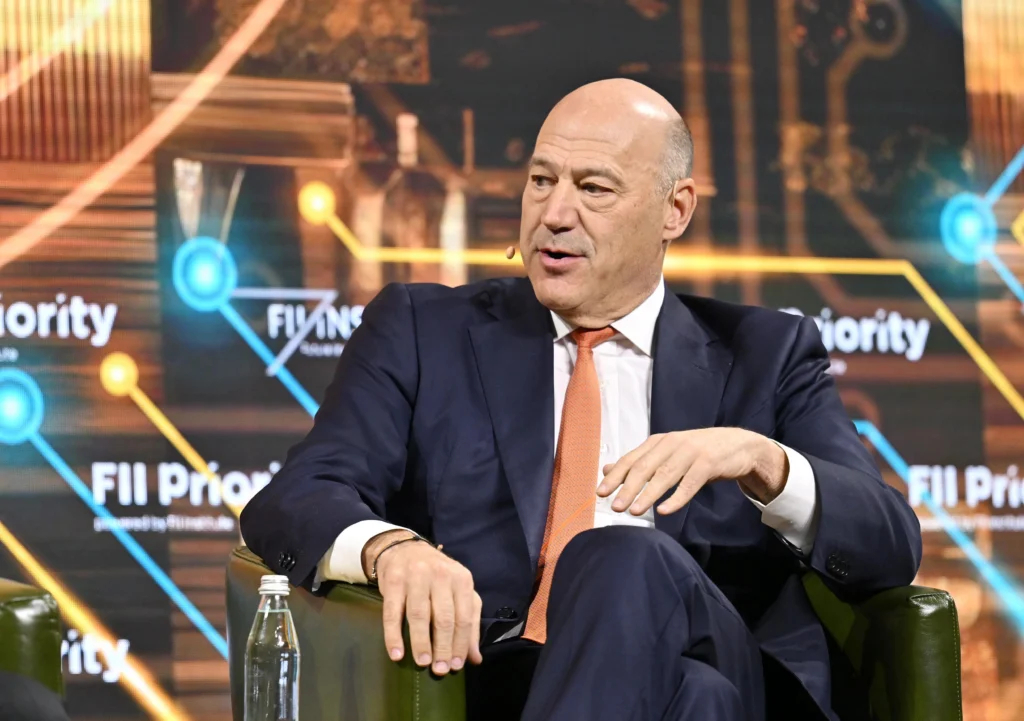
Gary Cohn, Vice-Chairman of IBM, focused on execution. Becoming AI-native as a company, he said, requires a “very organized, very methodical” approach, one that integrates technology into the core of the enterprise while maintaining alignment with regulators.
Where value is realized: public and private markets
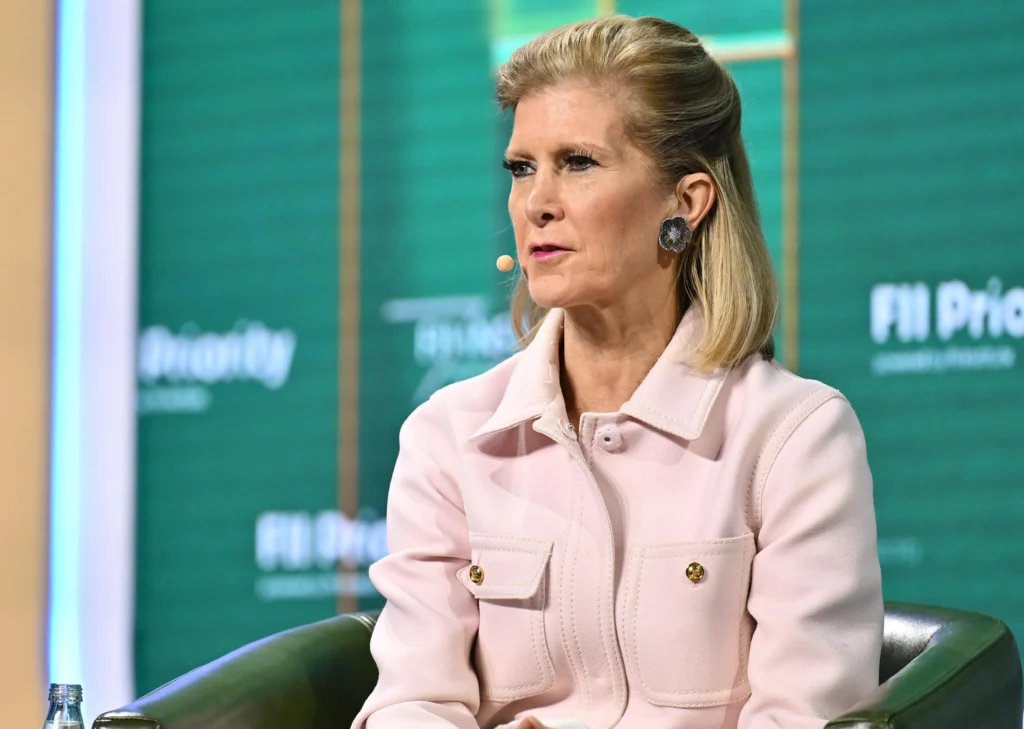
As funding flows into these systems, the question shifts to where value is ultimately realized — the public or the private market. Mary Callahan Erdoes, CEO of JPMorganChase Asset and Wealth Management, framed the answer in practical terms: “Both.” Public and private markets each play a role, depending on liquidity needs and portfolio strategy.
This comes at a time when private capital continues to scale, with global buyout and growth deals above USD 500 million surpassing USD 1 trillion. Financial flows are becoming more flexible in how they move between public and private structures, with each serving a distinct role in the broader system.
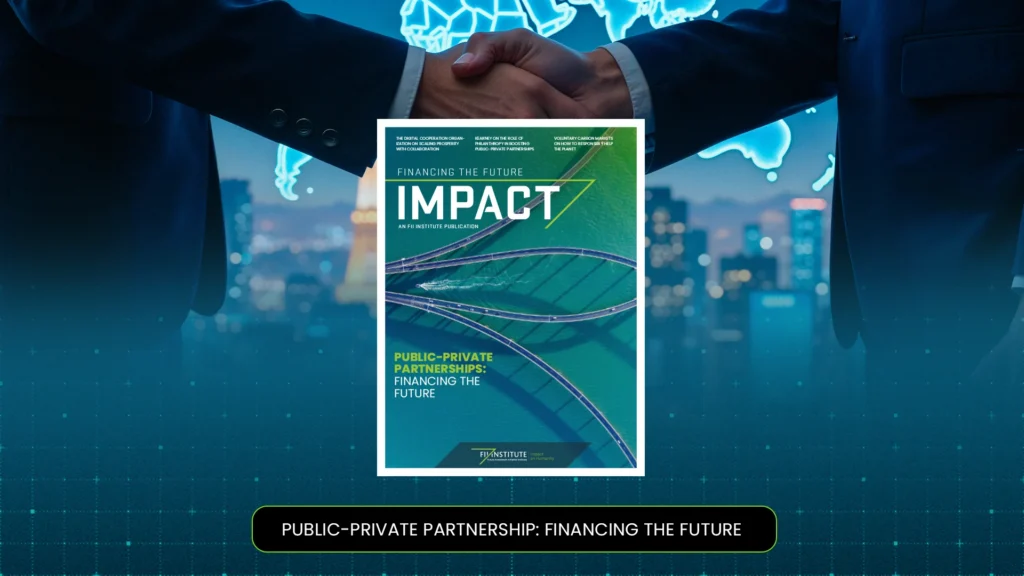
That shift also helps explain the renewed relevance of public-private partnerships. As highlighted in the FII Institute’s Public-Private Partnerships: Financing the Future report, PPPs are becoming a more strategic way to combine public priorities with private-sector capital, expertise and execution, particularly in areas such as infrastructure, energy transition and digital development.
Signals of where the next phase is heading
Two announcements later in the day pointed to how this shift is already taking shape in practice. HUMAIN, a PIF company focused on full-stack artificial intelligence capabilities, announced a strategic partnership with Turing to build what is described as the world’s first enterprise AI Agent Marketplace on HUMAIN ONE. The platform is designed to allow organizations to discover, deploy and scale AI agents across business functions, combining HUMAIN’s infrastructure, models and orchestration capabilities with Turing’s expertise in model evaluation, fine-tuning and deployment.
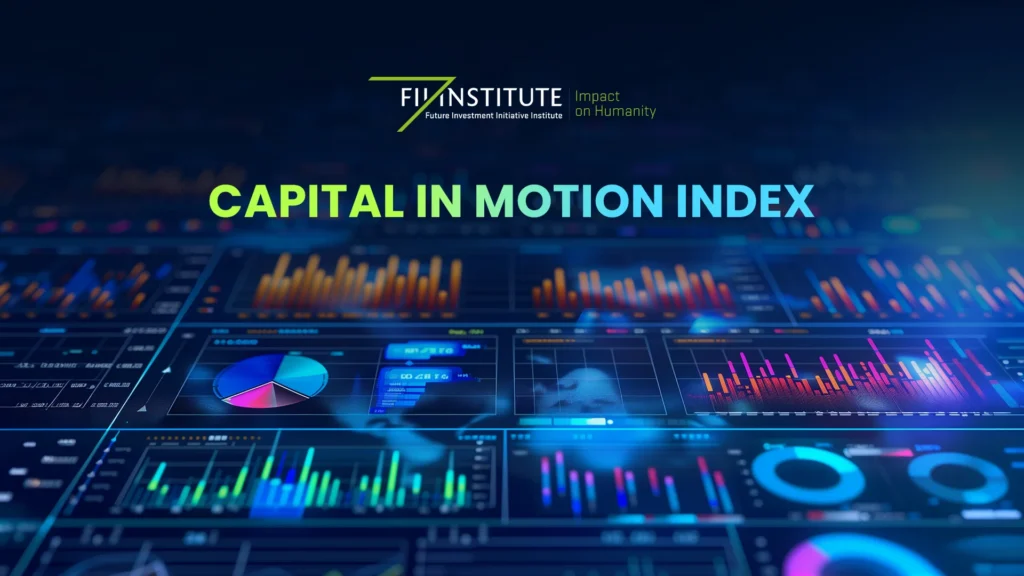
Alongside this, FII Institute introduced the Capital in Motion Index, a new multi-asset index designed to track where funding is moving across regions, sectors and asset classes in real time. Set to be formally launched at FII 10 in Riyadh, the index is positioned as a decision-making tool for those navigating a more complex and fast-moving global landscape.
Taken together, both announcements illustrate how attention and resources are moving toward ecosystems that combine infrastructure, execution and visibility. In this environment, countries are being evaluated much like companies: on how clearly they define their strategy, how effectively they deploy resources and how consistently they deliver against long-term objectives.
The most eye-catching stories around artificial intelligence tend to focus on extraordinary compensation and the competition to attract the most sought-after talent. But the more revealing signal may not be how much is being paid for a small number of specialists, it may be what that race is saying about the market now taking shape around AI.
At FII PRIORITY Miami 2026, during the session FII Debate: Who Wins and Who Pays When Regulatory Fragmentation Is Priced Into Tech?, one of the clearest insights was that AI talent is becoming an early indicator of how value is being redistributed across the technology economy: between productivity, scarcity, execution capacity, and a slower-than-expected pace of adoption inside many companies.
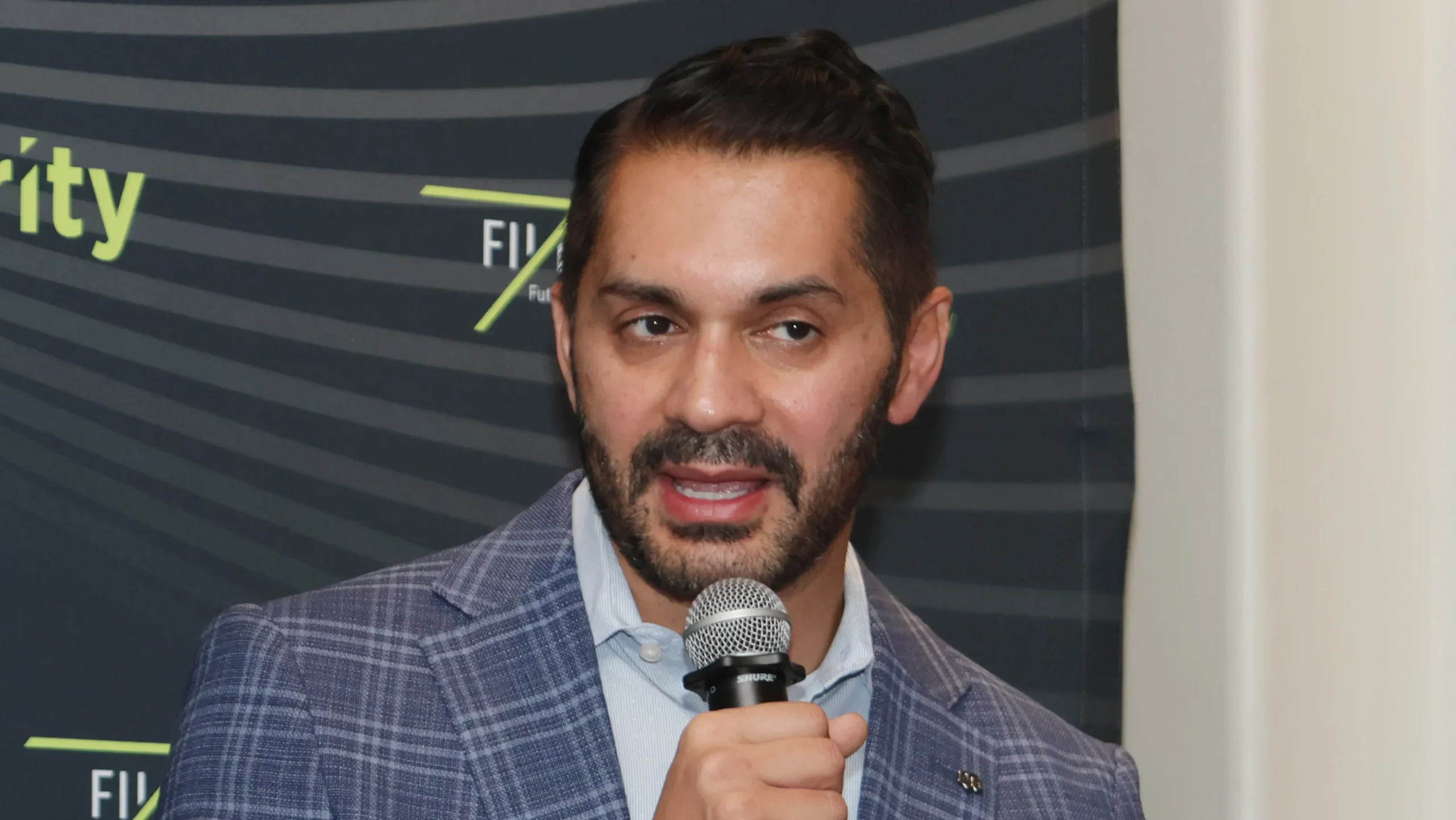
Raj Ganguly, Co-Founder & Co-CEO of B Capital, focused on the real productivity gains already being generated by certain technical profiles. “We have a guy on our internal AI engineering team who ships today a hundred times the code that he used to ship a couple of years ago,” he said, explaining why the market is willing to assign such high value to certain types of talent. In the same vein, he added that “talent is priced correctly” and that “coding has been the most impacted area in the world by AI so far.”
His argument was clear: part of that premium reflects not only expectations, but tangible results.
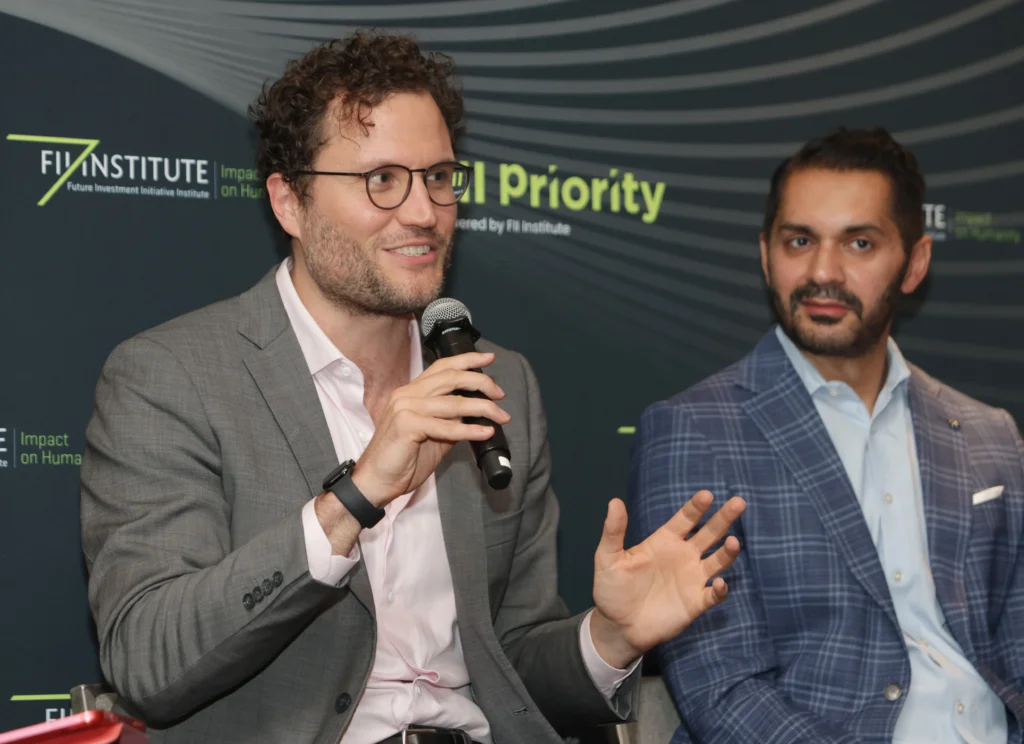
Ben Casnocha, General Partner at Village Global, introduced an important note of nuance. In his view, the most extreme compensation packages are real, but they apply to a very small group. “There’s probably under 500 people, okay, in all of tech,” he said, before warning that the most important angle is not only what is happening at the very top of the field, but what AI may mean for the broader technology labor market. “The more provocative dynamic is what’s happening to the mainstream mass market tech worker,” he noted.
In other words, beyond the headlines, the deeper question is how AI may begin to redefine expectations around productivity, contribution, and value for a much wider segment of the workforce.
The next AI Bottleneck is Inside the Enterprise
That contrast between extraordinary salaries at the top and a far more uneven transition across the rest of the market led to another important reflection: AI adoption is still moving more slowly than many expected.
Casnocha made that point clearly, noting that three years after the launch of ChatGPT, most companies still have very little AI meaningfully embedded in their organizations.
Rather than suggesting a slowdown, that observation points to a dual reality: there is still significant room for opportunity, but there is also reason to be more cautious in forecasting the speed of change.
Ganguly linked that slower pace to a very practical obstacle: data. In his view, AI will not be able to deliver its full impact until companies are better able to capture, organize, and use their information. As he put it, “90% of data is not captured,” while much of the rest remains scattered across Excel files and multiple internal systems.
The next leap, he suggested, will depend not only on better models, but on stronger operational foundations: finding data more effectively, capturing it better, and making it truly usable.
A World Moving at Two Speeds
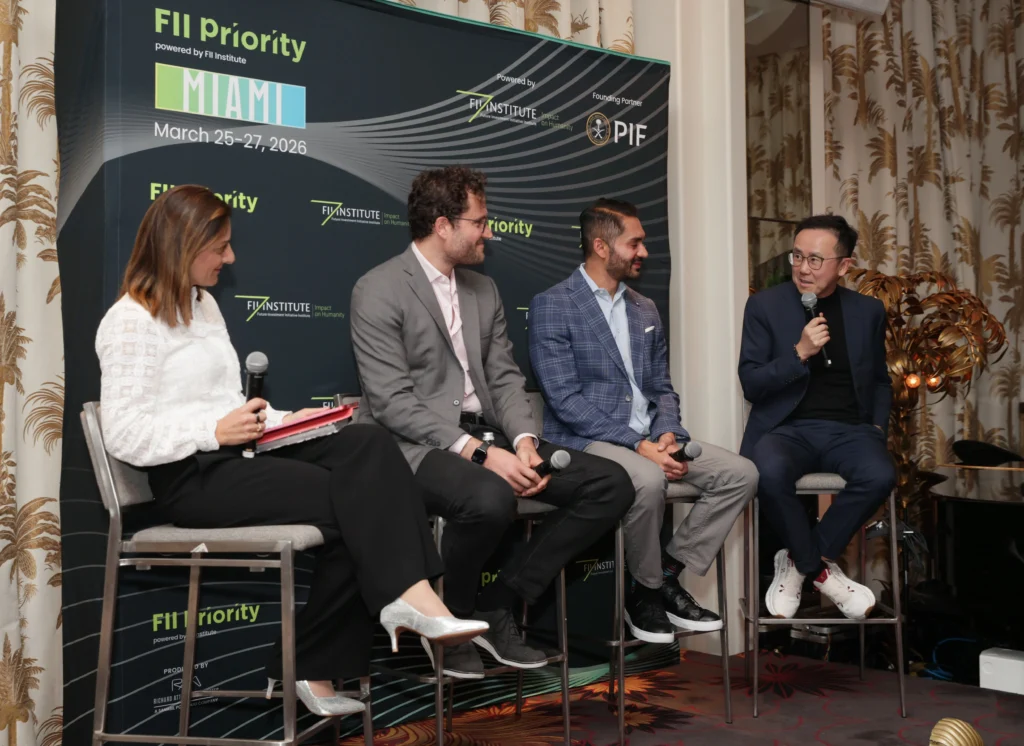
Patrick Zhong, Founding Managing Partner at M31 Capital, placed the discussion within a broader transition. In his closing reflection, he recalled an idea from Zbigniew Brzezinski to describe a moment in which two different logics coexist: that of an analog, industrial world associated with linear growth, and that of a technological world shaped by much faster acceleration.
Rather than offering a fixed conclusion, his remarks helped frame the discussion within a broader shift of era, one in which markets, companies, and individuals are still adapting to a more rapid and more complex pace of transformation.
Taken together, the discussion pointed to a central idea: the race for AI talent is not only about exceptional compensation. It is also about how the market is beginning to price productivity, the rarity of specialized knowledge, and future advantage, even before AI adoption has fully spread across companies.
The most revealing signal may not be the number in the headline, but what that number is beginning to tell us about the next phase of the market.
Produced by: FII Institute’s Editorial Team
From Biotech to AI, the Next Big Question Is Who Benefits
Biology and artificial intelligence took center stage at FII PRIORITY Miami 2026 on Day 0, emerging as the two most consequential, fast-moving frontiers of innovation and capital, shaping how value is created and how it is applied.
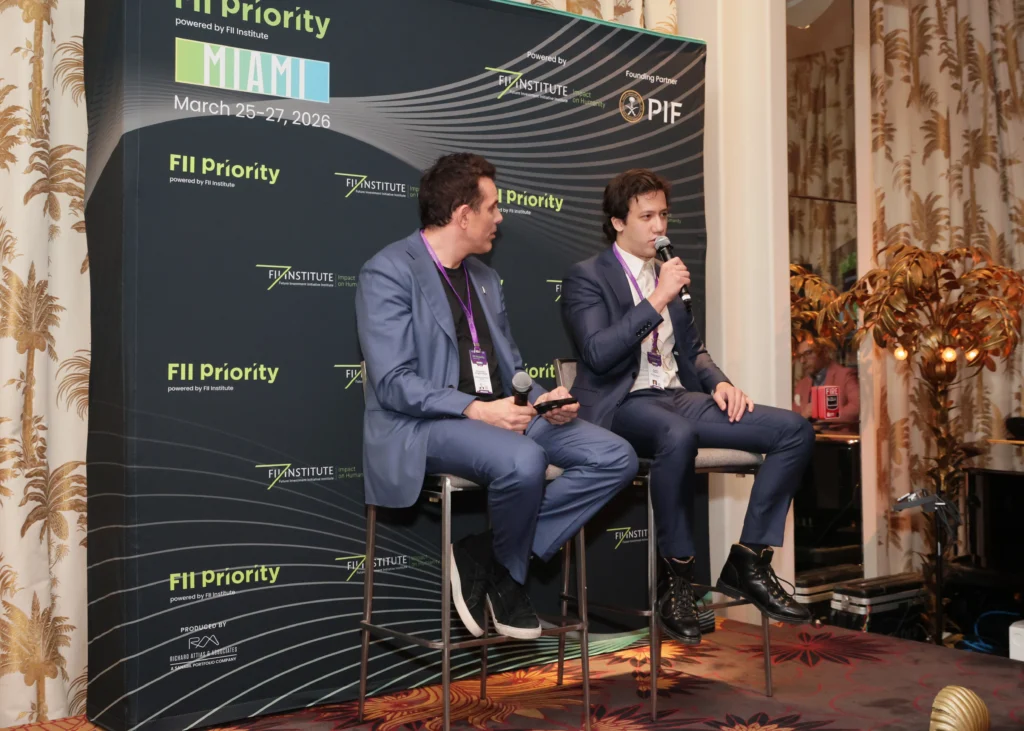
In a session on biotech, Aydin Gokce, CEO of General Cybernetics, pushed the conversation away from science fiction and toward present-day capability. “The things you can cure now are genetic diseases,” he said, explaining that embryo editing today can identify pathogenic mutations and correct them through targeted intervention.
He also pointed to the growing ability to introduce protective variants linked to resistance against conditions such as Alzheimer’s and cardiovascular disease. “Depending on your polygenic risk scores for these diseases, you can add like 10-15 years of life expectancy with a material cost that is literally cents.”
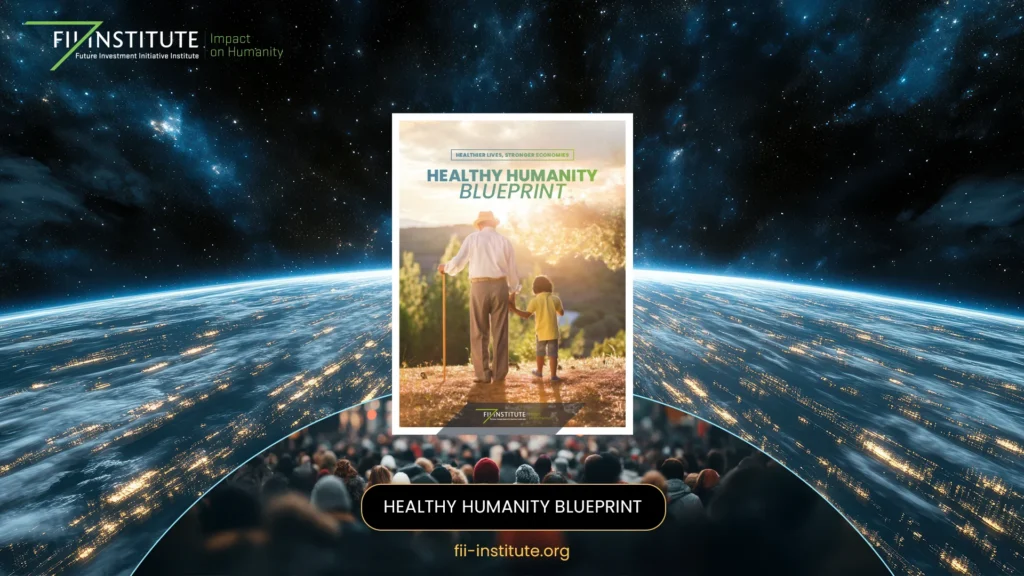
That vision carries major implications for health systems and long-term economic planning. In the Healthy Humanity Blueprint Report & Initiative, FII Institute research shows that 70-80% of chronic disease is linked to lifestyle and prevention, while every USD 1 invested in prevention can generate up to USD 6 in economic benefit. As genomics and biologics advance, prevention is moving closer to the center of the healthcare model.
Gokce also drew attention to the role of regulation in accelerating or slowing development. “In China, you can develop drugs for between USD 300 million to USD 1 billion. In the US, you can’t do that for less than USD 2 billion,” he said, adding that phase one work in China could move at a fraction of the cost and time.
If biotech raised questions about how far science can go, the MIT Solve session focused on who gets to shape the direction of AI. Marking a new partnership with FII Institute around the third edition of the FII Innovators Pitch, launched at the session, MIT Solve used the platform to spotlight entrepreneurs building AI solutions in health, sustainability, education, and robotics.

Hala Hanna, Executive Director of MIT Solve, framed AI as a human and institutional challenge. “Artificial intelligence, just like every major technological shift, starts with a story about machines, but really it’s always a story about people,” she said.
She argued that many of the most relevant innovators are building in markets that global capital still struggles to price correctly. “If you want to find the entrepreneurs that are working closest to the world’s biggest problems […] they’re in Nairobi, Bogota, Istanbul, Dakar,” she said. “Proximity to the problem is a form of expertise that no McKinsey deck can really capture. They don’t attract the same velocity of capital because they don’t look like what we’ve been trained to recognize as investable.”
MIT Solve’s portfolio now includes 650 ventures reaching 400 million lives globally, with a reported 95% survival rate. “At MIT Solve, we are now raising USD 100 million for the next decade because the era ahead is too consequential to let it be only about the most profitable markets,” Hanna said.
Taken together, the two sessions pointed to a shared shift in emphasis: Science and software are moving fast, while the deeper questions now center on access, direction, and the institutions that decide what progress reaches the world.
Produced by: FII Institute’s Editorial Team
Not innovation, but deployment. That was the challenge at the center of the Day 0 afternoon sessions at FII PRIORITY Miami.
Across four discussions, speakers examined what it takes to move from experimentation to real economic application: trusted enterprise systems, physical automation, energy capacity, and the potential expansion of infrastructure beyond Earth.
From AI capability to deployment reality
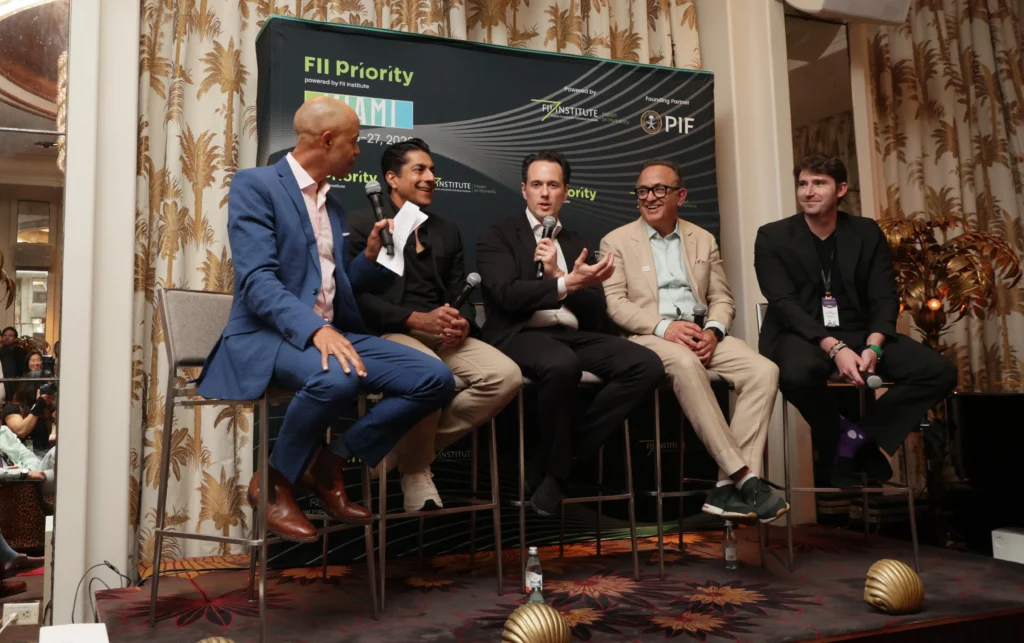
The discussion on AI agents made clear that the limiting factor is no longer model performance, but adoption inside real-world systems.
While AI tools are widely used at the consumer level, enterprise deployment remains significantly slower. The challenge lies in precision, accountability and trust, particularly in sectors such as finance, where errors carry material risk.
This gap between capability and deployment signals a transition: AI is moving from experimentation into environments where reliability, governance, and integration matter as much as performance.
Physical AI: Scale requires systems
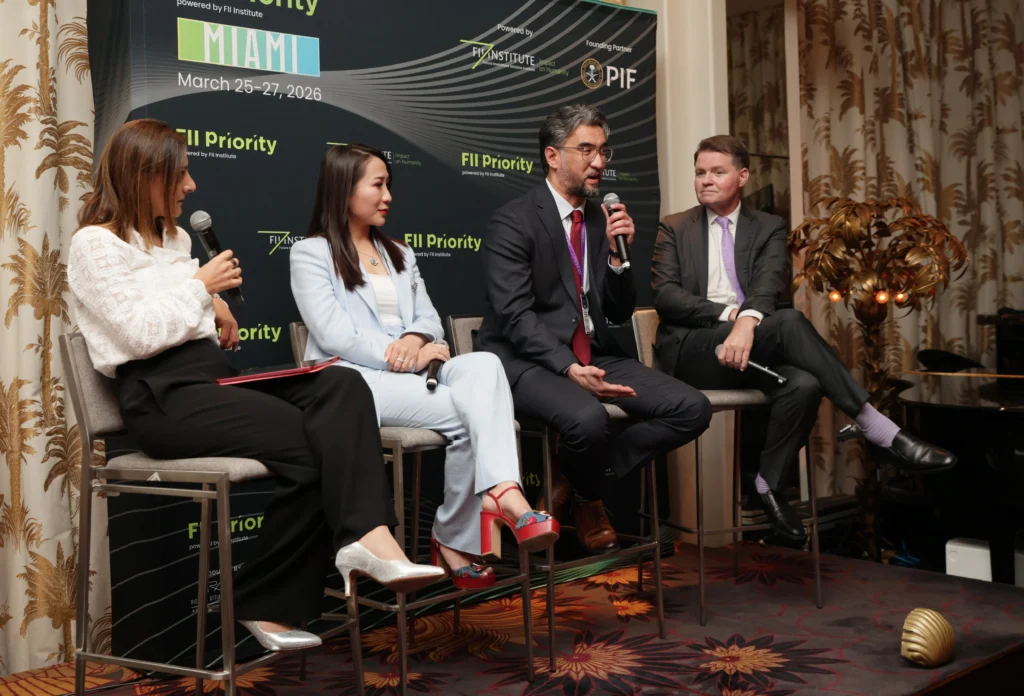
In the session on robotics and physical AI, speakers emphasized that competitive advantage will not come from a single factor.
Ibrahim Neyaz, CEO of Saudi Arabia’s National Technology Development Program, stated that the physical AI race will be won by those who can create a reliable environment for it.
“To win the race in the physical AI, you have to create an integrated ecosystem where you combine the research with the manufacturing and the capital… none of them alone can win”, Neyaz said.
The implication is structural, according to the speakers: value is created not at the level of individual technologies, but in environments where they can be deployed, tested, and scaled continuously.
Countries are already differentiating along these lines, with strengths split between innovation, manufacturing, and deployment capacity.
Energy: The system behind the system
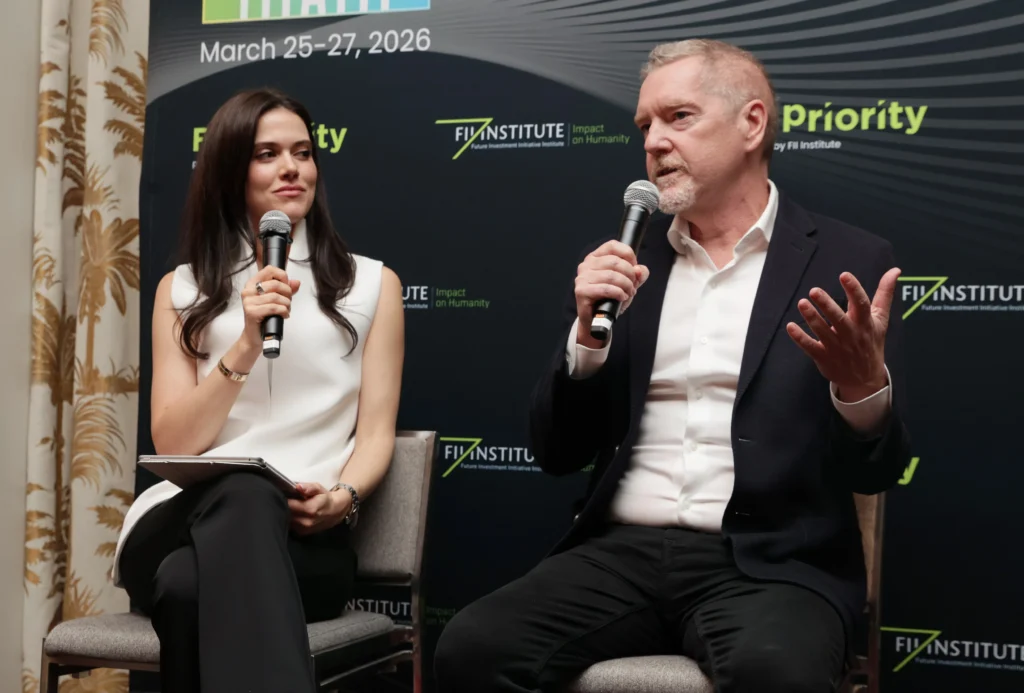
The most direct constraint identified across sessions was energy.
Peter Barrett, General Partner at Playground Global, described it in systemic terms.
“I actually don’t think we’re in a bubble. If anything, we are underestimating the build out that’s going to be required to meet humanity’s demands for computation”, he said.
His argument was clear: AI cannot scale independently of the infrastructure that powers it. The challenge is not limited to generation, but includes transmission, efficiency, and how energy is used within computation itself.
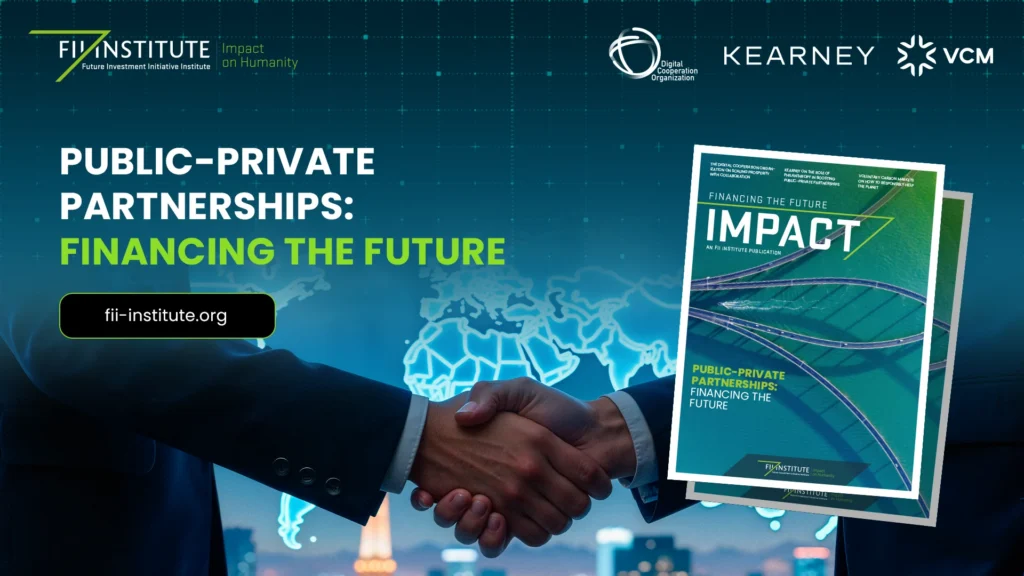
According to FII Institute’s Public-Private Partnerships: Financing the Future Impact report (2026), the global infrastructure financing gap is estimated at $15 trillion by 2040, a shortfall that makes private capital not just relevant but essential to meeting the demands of the next wave of technological deployment.
Beyond Earth: Expanding infrastructure
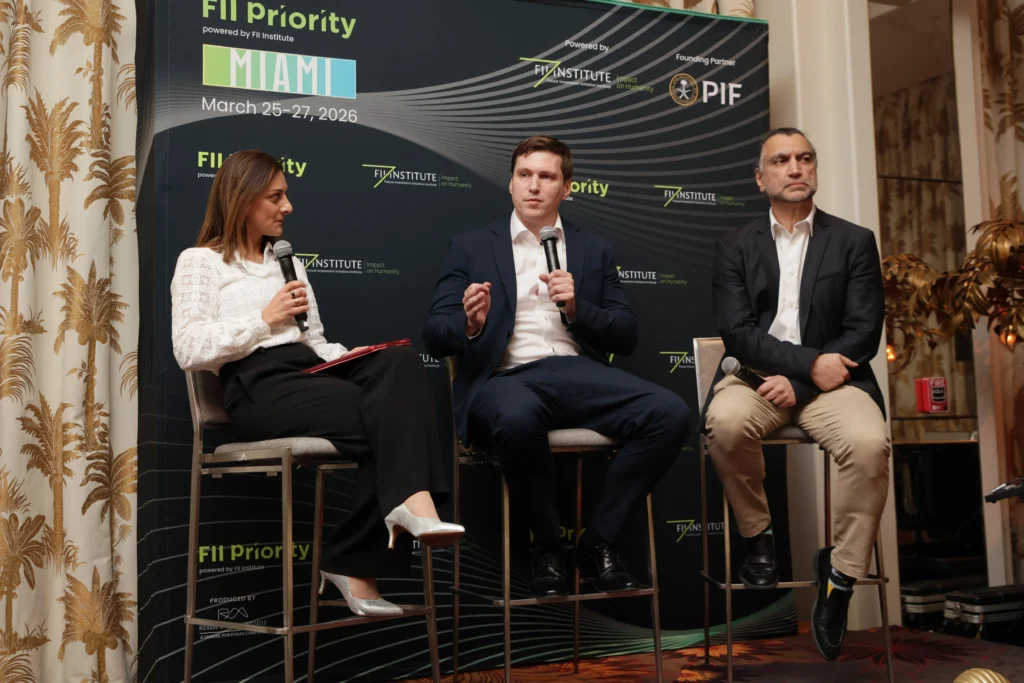
The final session extended this logic further, examining space as a potential extension of industrial capacity.
Speakers pointed to constraints on Earth, including energy limitations and long permitting timelines, as drivers for exploring alternatives.
Jim Keravala, Founder and CEO of OffWorld, argued:
“We cannot move forward without opening up into the space domain. We are now talking about tens of terawatts of power… You cannot do that on the planet and maintain environmental stability. We have to go out into space.”
His argument positioned space not as a distant frontier, but as a necessary expansion: sustained exponential demand for compute and energy will require new domains of deployment.
A shift in focus
Taken together, the sessions pointed to a shift in how AI is understood.
The first phase was defined by building models. The next phase will be defined by deploying them in trusted environments, scaling them through physical systems, powering them with sufficient energy and, potentially, extending infrastructure beyond traditional limits.
The central question is no longer what AI can do, but whether the systems around it can support what comes next.
Produced by FII Institute Editorial Team
Miami, Florida, March 25, 2026 – FII Institute today opened the first day of FII PRIORITY Miami 2026 under the theme ‘Capital in Motion,’ convening global investors, policymakers, and business leaders to examine how capital is shifting across regions, sectors, and technologies in a period of geopolitical and economic shifts and shocks.
From Latin America’s emerging role as a strategic investment destination to new tools tracking global capital flows and platforms accelerating innovation, speakers and panels discussed how capital is moving faster, with greater purpose, and toward new centres of growth.
A New Latin American Investment Moment
Day #0 opened with the NEW LATAM ORDER SUMMIT positioning the region as a main pillar in the reconfiguration of global capital flows. Discussions focused on nearshoring, infrastructure, energy, and human capital as key enablers of long-term growth.
Leaders highlighted Latin America’s transformation a safe haven and growth engine, with deep natural resources, expanding capital markets, and increasing geopolitical relevance.
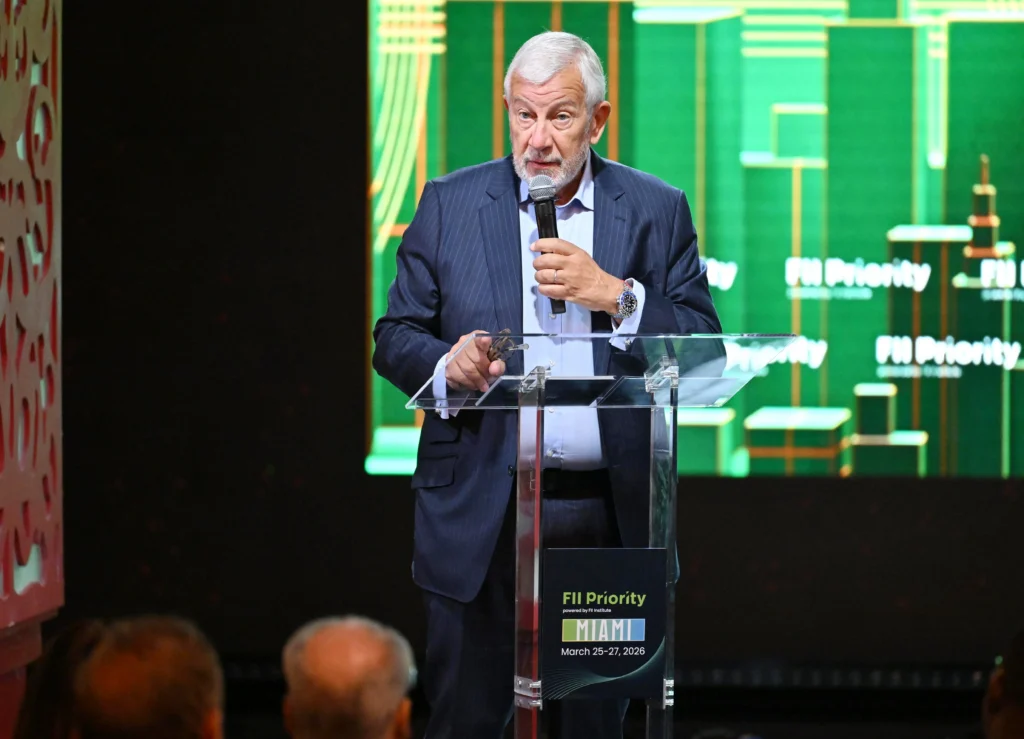
Opening the summit, Richard Attias, Chairman of the Executive Committee and Acting CEO of FII Institute, said:
“This is a moment to move from fragmentation to alignment, from hesitation to action. The new Latin American order will not be defined by speeches, but by decisions, partnerships, and investment.”
Across sessions, speakers noted:
- Strong capital inflows into key markets such as Brazil
- Latin America’s role in global food and energy security
- The need for infrastructure and education investment to unlock long-term returns
Venezuela Welcomes 120+ Energy Companies Amid Legal Reforms
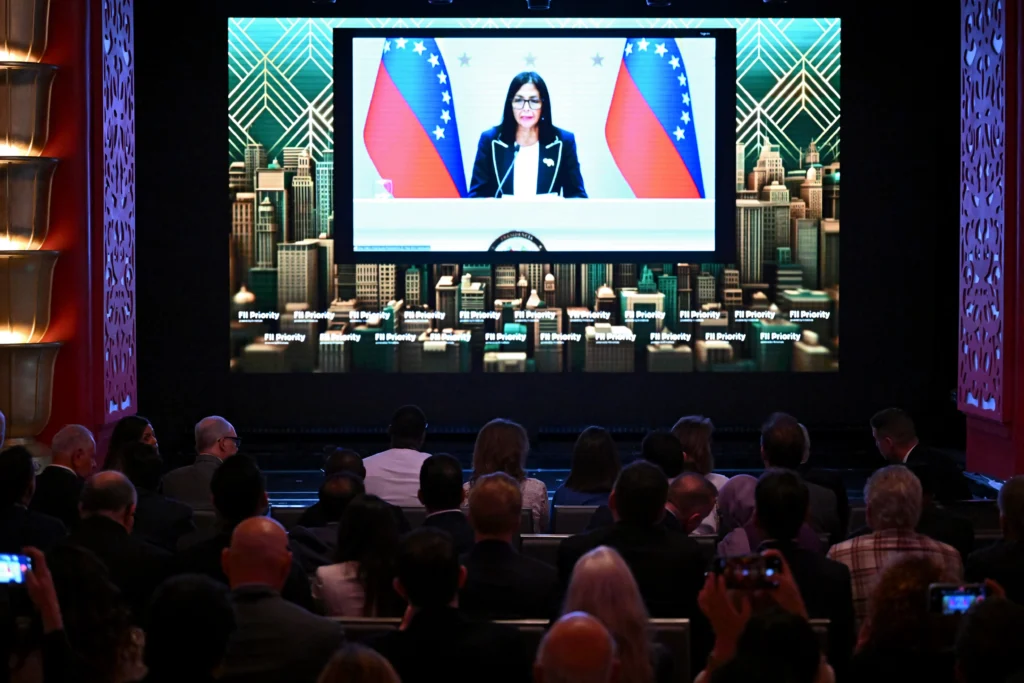
The opening session was followed by a virtual keynote from H.E. Delcy Rodríguez Gómez, Acting President of the Bolivarian Republic of Venezuela, who joined online to outline the country’s economic and investment outlook.
Her Excellency said Venezuela’s hydrocarbons law and broader legal reforms were designed to provide the legal certainty investors need, and added that the country has recently welcomed more than 120 energy companies from the United States, the Middle East, Asia, Africa, and Europe.
Leadership Dialogue: Investment, Inclusion and Impact
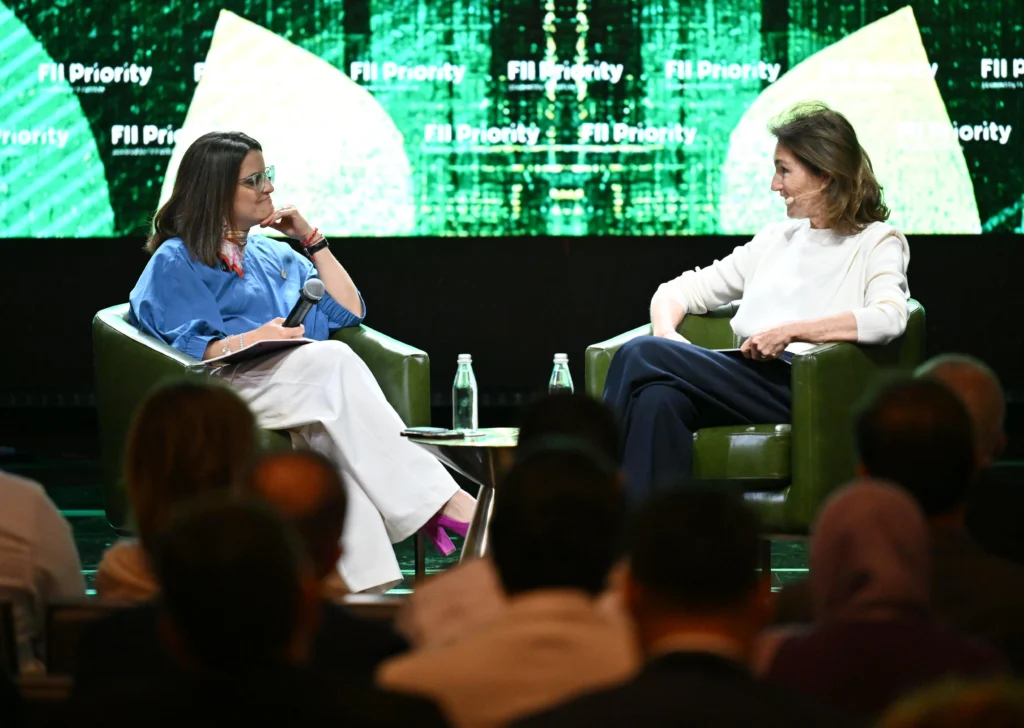
Cécilia Attias led a conversation with Ecuador’s Vice President H.E. María José Pinto González Artigas emphasising human capital as the foundation of economic growth. The Vice President said:
“We are shifting from seeing social investment as a cost to recognizing it as the foundation of economic growth, because addressing early childhood, health, education, and sanitation is what truly shapes the future of a country.”
Infrastructure, Energy and the Next Investment Cycle
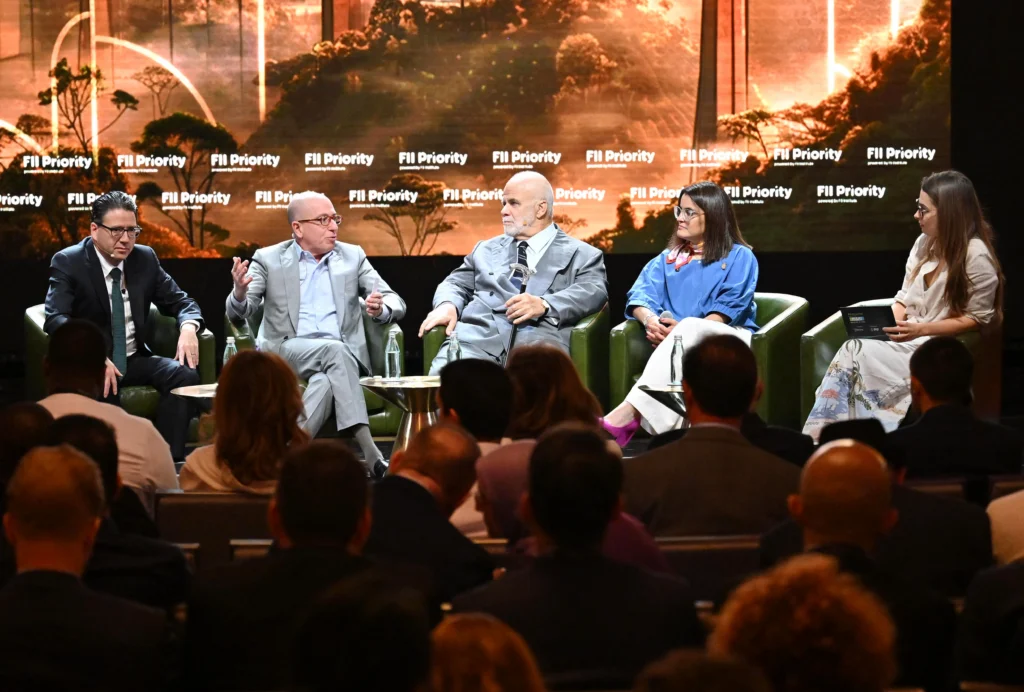
A panel on infrastructure brought together global investors and policymakers to examine the bottlenecks and opportunities shaping capital deployment across Latin America.
Discussions focused on:
- Energy and power constraints as a defining challenge for nearshoring
- The rapid expansion of industrial infrastructure and data centres
- The role of tourism, logistics, and cultural infrastructure in driving long-term returns
Manfredi Lefebvre d’Ovidio, Chairman of the World Travel & Tourism Council, highlighted the importance of Miami and investment partnerships to Latin America’s success:
“Global public private partnership is fundamental to the success of Latin America and Miami is the proof. Most of the flights for Europeans which go to Latin America pass through Miami.”
Closing the Summit with a New Push for Impact Investment in Latin America
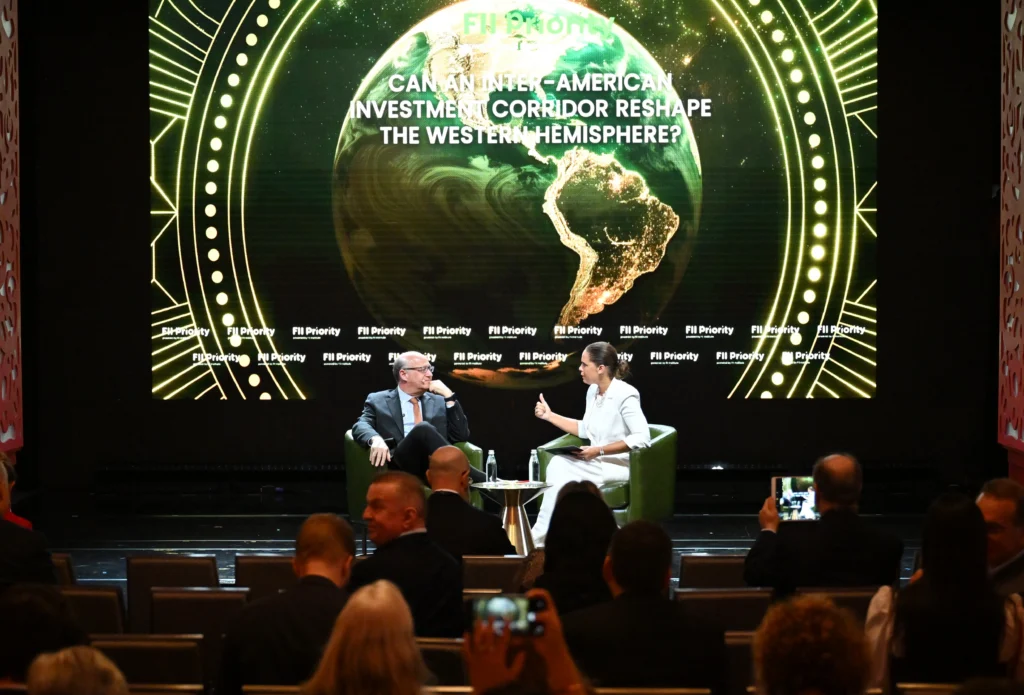
The NEW LATAM ORDER SUMMIT closed with remarks from Ilan Goldfajn, President of the Inter-American Development Bank Group, whose institution signed an agreement with Saudi Eksab on the sidelines of the summit to advance equity investment in Latin America and the Caribbean.
The agreement centers on building a joint pipeline of direct and indirect investment opportunities, initially focused on Central America and the Caribbean, and also explores the creation of an investment vehicle with potential participation from IDB Invest and support from IDB Lab for early-stage and venture capital opportunities.
Conclaves: From Dialogue to Action
Alongside plenary sessions, a series of closed-door conclaves brought together investors, policymakers, and sector leaders to translate discussion into action.
These high-level gatherings focused on:
- Digital assets and centralised control
- High risk and high reward cities for long term investment
- The world of work in 2050
The conclaves reinforced FII Institute’s role as a convening platform where ideas, people, and capital align to drive tangible outcomes.
Launch of the Capital in Motion Index
Day #0 also saw the announcement of the Capital in Motion Index (CMI), a new global initiative designed to track how capital flows across borders, sectors, and technologies.
The index, which will be unveiled during FII10, will provide decision-makers with a clearer view of how investment is shaping the future of economies and societies.
Richard Attias said:
“Through the Capital in Motion Index, we are offering a clearer view of where capital is flowing and what those movements mean for the future of humanity.”
Innovators Pitch: Connecting Capital to Impact
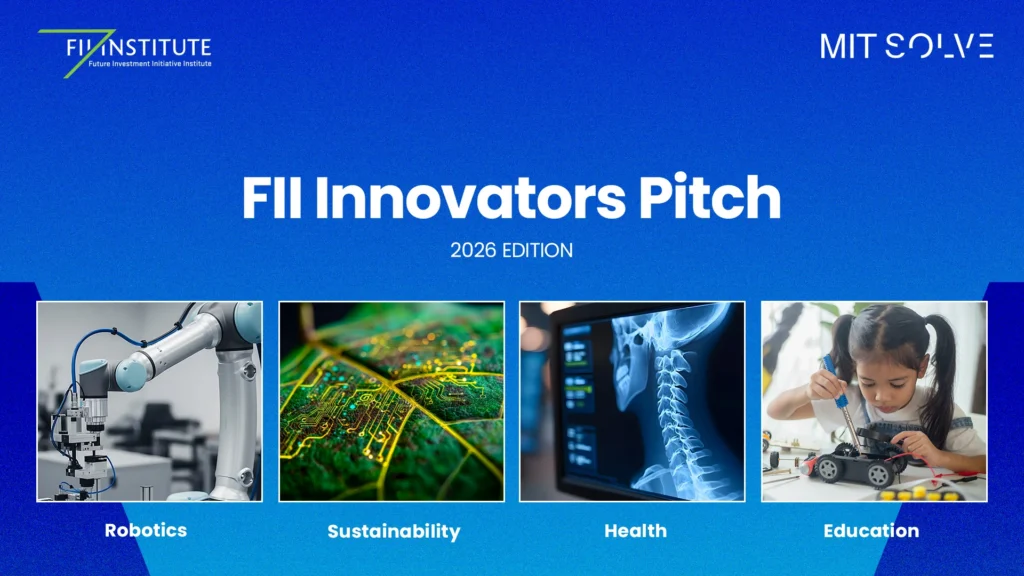
FII Institute also highlighted the 2026 FII Innovators Pitch, now at its third edition, launched in collaboration with MIT Solve, as part of its ACT pillar.
The initiative will bring together high-potential startups working across AI, sustainability, healthcare, and education, connecting them with global investors and partners, and finalists will be invited to pitch at FII10.
“Capital has to go where humanity needs it most,” said Richard Attias. “Through ACT, we fuel innovators to scale solutions that create jobs and measurable impact.”
Capital in Motion
Across every session, a consistent message emerged:
- Capital is shifting toward new geographies, including Latin America
- It is increasingly focused on long-term resilience and real-economy impact
- And it is moving at speed, driven by geopolitics, technology, and energy transitions
Day 0 of FII PRIORITY Miami demonstrated that in a world in which disruption is the ‘new norm’, capital is repositioning.
As global leaders continue discussions in the days ahead, the focus remains –
how to align capital with opportunity, and how to convert movement into measurable impact.
-ENDS –
About FII Institute
The FII Institute is a global nonprofit foundation with an investment arm and one agenda: Impact on Humanity. Through its THINK, XCHANGE, and ACT pillars, the Institute fosters ideas, convenes leaders, and invests in scalable solutions across AI and robotics, sustainability, healthcare, and education.
Latin America is stepping into a defining investment moment. Global interest is surging, opportunities are ripe, and leaders stress that building the right conditions is key to turning potential into scalable, long-term growth. As Richard Attias, Chairman of the Executive Committee, and Acting CEO of the FII Institute, said as he inaugurated the summit: “The new LATAM order will not be defined by speech. It will be defined by decisions. By partnerships. By investment. By courage.”
The FII PRIORITY Miami New LatAm Order Summit has made one thing clear: the appetite for investment in Latin America is real. As Ilan Goldfajn, President of the Inter-American Development Bank, emphasized, an inter-American investment corridor is already taking shape. He pointed to clear demand, countries willing to invest, and broader efforts to help more countries integrate into global standard and investment frameworks. He also presented the summit as a platform helping connect investors and opportunities across the region.
Looking ahead, the ability to scale will ultimately depend on sustained productivity gains. Goldfajn pointed to “productivity growth” as the defining factor, with “countries reaching 5 or 6%” growth rates. “With high investment, high productivity… we can get all of these countries to another level.”
Venezuela welcomes 120+ energy companies amid legal reforms
A supportive policy environment is now seen as a cornerstone of investment flows into Latin America, especially in energy. Delcy Rodríguez Gómez, Acting President of the Bolivarian Republic of Venezuela, framed legal certainty as essential to attracting investment, pointing to the country’s hydrocarbons law and broader legal reforms. She also said Venezuela has recently received more than 120 energy companies, mainly from the US as well as from the Middle East, Asia, Africa and Europe.
Trade agreements are fueling Latin America’s investment surge, with Norberto Giangrande Jr., Chairman of Minerva Foods, pointing to the region’s game-changing potential. “After 30 years, in May, the EU-Mercosur agreement is coming into play. This is creating the largest free trade group market in the world,” he said, reaching “over 700 million consumers,” highlighting the unprecedented opportunities this opens for Latin American businesses.
Giangrande described Brazil as a “safe haven” amid global turmoil. “In the beginning of 2000, we exported 50,000 tons of beef to the world. This year, maybe we will do 5 million,” he said, highlighting the sector’s rapid expansion. He added that productivity comes from innovation and technology combined with talented people, noting that Minerva Foods is increasing output by “putting more technology—without cutting one single tree”.
Emerging opportunities: commodities and human capital
Social investment is increasingly recognized as a foundation for growth. María José Pinto González Artigas, Constitutional Vice President of Ecuador, explained that Ecuador has “just shifted from seeing social investment as a cost and seeing it as the foundation of economic growth”. She said her country prioritizes fighting chronic malnutrition and improving support for early pregnancy, early childhood, education, water systems, and sanitation as part of that broader shift.She alsourged investors to look beyond short-term returns and focus on long-term human capital. Citing World Bank data, she said that a one-dollar investment in solutions to address chronic malnutrition can generate a future return of twenty-three dollars, and she described it as one of the most important social investments countries in the region can make.
What It Takes to Turn Opportunity into Scalable Growth
Leaders emphasized that unlocking Latin America’s full potential will require local understanding, stronger partnerships, and a long-term vision.
Abdulrahman T. Bakir, Managing Director-Americas at the Ministry of Investment of Saudi Arabia said: “When you look at LATAM and you don’t know how to do business in São Paulo, versus Bogotá, versus Asunción or Buenos Aires, then you can’t really operate in that part of the region.” He stressed that the focus is not simply on whether to invest, but on how to invest in the region, through long-term partnerships, on-the-ground presence and a clear understanding of local markets. He also made clear that the aim is not only to finance projects, but to support economies as they grow.
Latin America’s investment moment is here—but realizing its full potential depends on aligning capital, policy, and people around a shared, long-term vision. With strategic partnerships, clear regulation, and a stronger focus on human capital, the region is well positioned to turn emerging opportunities into lasting, scalable growth.
MIAMI, Florida, March 25, 2026 – The Future Investment Initiative (FII) Institute, a global non-profit foundation with an investment arm driven by a single agenda—impact on humanity—today announced the launch of the Capital in Motion Index (CMI) at FII PRIORITY Miami 2026.
The CMI is a groundbreaking global initiative designed to track and analyze how strategic capital flows across borders, sectors, and technologies, and how these movements are shaping a more sustainable, inclusive, and resilient global economy.
At a time of profound economic transformation, the Capital in Motion Index will provide decision-makers with an unprecedented lens into the deployment of long-term capital. The index will monitor announced and committed investments across regions, asset classes, and high-impact sectors including artificial intelligence, energy, longevity, food systems, and urban innovation.
Structured around six core dimensions, including capital mobility, quality, inclusivity, and future readiness, the CMI will go beyond traditional metrics to assess not only where capital is flowing, but how effectively it is contributing to long-term value creation.
Speaking at a press briefing, Richard Attias, Chairman of the Executive Committee and Acting CEO of FII Institute, said: “FII Institute has helped catalyze more than $170 billion in deals, positioning it as a leading global platform for investment. This vantage point gives us a unique understanding of how capital moves, and how those movements shape the future of humanity. With the Capital in Motion Index, we are transforming that insight into a strategic tool for leaders worldwide, offering clarity, direction, and foresight in an increasingly complex global landscape.”
Following its unveiling in Miami, the FII Institute will advance the next phase of development of the CMI in collaboration with selected global partners. The full launch of the index is scheduled for the 10th edition of the Future Investment Initiative (FII10) in Riyadh, Saudi Arabia, from October 26–29, 2026.
The Capital in Motion Index reflects FII Institute’s ambition to move beyond convening global dialogues, toward delivering actionable intelligence and tangible impact. Built on principles of accessibility and inclusivity, the initiative aims to democratize insights on capital flows and empower a broader ecosystem of stakeholders worldwide.
-ends-
About FII Institute
The FII Institute is a global nonprofit foundation with an investment arm and one agenda: Impact on Humanity. Through its THINK, XCHANGE, and ACT pillars, the Institute fosters great ideas, empowers innovators, and invests in scalable solutions across critical sectors including AI and robotics, sustainability, healthcare, and education.
For more information, please visit: https://fii-institute.org
For media inquiries, please contact [email protected]
FII PRIORITY Miami 2026 takes place at a moment when investment decisions are becoming more selective, more strategic, and more closely tied to long-term resilience. Against that backdrop, the summit will bring together more than 2,000 leaders from the Americas, Europe, Africa, and Asia to examine how capital is moving, what is shaping those decisions, and which sectors are likely to draw sustained attention in the years ahead.
From March 25 to 27, the Faena Hotel in Miami Beach will host discussions focused not only on where capital is going, but also on how and why it moves. Over the past decade, FII Institute has helped generate more than $250 billion in opportunities through its major international gatherings, with a continued focus on connecting ideas, capital, and action in support of long-term growth and broader human impact.
A Program Shaped by Real Challenges
Capital is becoming increasingly selective and strategic, shaped this year in particular by long-term pressures and opportunities linked to technology, infrastructure, and economic resilience.
That shift is also reflected in FII PRIORITY COMPASS 2025, which draws on the views of more than 60,000 people across 32 countries, representing 66% of the world’s population and points to changing priorities around economic stability, access to opportunity, and readiness for technological change.
Miami will also serve as the stage for the launch of two new FII Institute publications. The first, Digital Assets and Tokenized Finance, looks at how markets are evolving toward greater efficiency, accessibility, and new forms of financial infrastructure. Among its key findings are more than $8 billion in tokenized U.S. Treasury funds, along with projections suggesting that tokenized assets could reach up to $30 trillion by 2030.
The second, AI-Led Growth and Jobs in the Emerging and Developing Economies, explores how artificial intelligence can boost productivity, improve public service delivery, and support job creation across emerging markets, especially when matched by investment in skills, education, and infrastructure.
The Americas as a Regional Hub
One of the major focuses of this year’s edition is Latin America and, more broadly, the Americas as a whole. Beyond regional analysis, one of the key questions running through the program is whether the Americas can operate as a more connected capital ecosystem at a time when proximity, resilience, and strategic alignment matter more than ever.
Themes such as investment corridors, infrastructure, and digital growth run across much of the agenda. Featured sessions include:
- CAN AN INTER-AMERICAN INVESTMENT CORRIDOR RESHAPE THE WESTERN HEMISPHERE?,
- ENABLING CONDITIONS FOR LONG-TERM INVESTMENT IN LATAM: CAN INFRASTRUCTURE DELIVER?, and
- WHERE IS CAPITAL FLOWING NEXT IN THE AMERICAS’ DIGITAL ECONOMY?
Investment in a Multipolar World
Investment remains global, but decision-making is becoming more selective. Trust, alignment of interests, and execution capacity now carry greater weight, particularly in a more demanding international environment.
That conversation will be reflected in sessions such as:
- BOARD OF CHANGEMAKERS: A NEW GEOGRAPHY FOR INVESTMENT,
- WHAT DOES THE NEW US-LATAM DEAL ARCHITECTURE LOOK LIKE?, and
- HOW DOES THE US-GULF INVESTMENT RELATIONSHIP PERFORM UNDER PRESSURE?
Private Capital Under Pressure
Private capital still has scale, liquidity, and influence in the market, but it is operating in a much more complex environment. Exits, valuations, and long-term returns are under growing pressure, and the challenge is no longer only about raising capital, but also about structuring it effectively, deploying it with discipline, and preserving value over time.
That discussion will come through in sessions such as:
- HAS PRIVATE CAPITAL OUTGROWN THE PUBLIC MARKET?
- HOW TO SOLVE THE $3 TRILLION EXIT PROBLEM, and
- WHAT IS THE FRAMEWORK FOR LARGE-SCALE CO-INVESTMENTS?
Strategic Sectors: Energy, AI, and Industry
This year, energy, artificial intelligence, and industrial capacity will take center stage. Energy is no longer just a resource story; it is increasingly tied to competitiveness, infrastructure, and compute capacity. AI, meanwhile, is moving beyond software to become part of the broader economy, while critical minerals remain essential to electrification and advanced manufacturing.
These themes will be explored in sessions including:
- WHAT WILL IT TAKE TO WIN THE RACE FOR CRITICAL MINERALS? and
- HOW WILL NEW ENERGY DEALS REWIRE POWER, COMPUTE, AND PROFIT?
From Ideas to Action
FII PRIORITY Miami will not only examine major trends, but also push the conversation toward execution. Many of the questions on the table are deeply practical: what conditions are needed to unlock long-term investment, what frameworks can support large-scale co-investment, and how capital can be directed toward the sectors that will shape future growth.
What runs through much of this year’s agenda is the recognition that capital is still active, but the conditions around it have changed, and understanding where confidence remains, what makes investment more durable, and which sectors are best placed for long-term growth now matters more than ever.
Follow the Event Live:
FII PRIORITY Miami 2026 is offering live coverage across its digital and media channels:
Day 0
- English: https://youtube.com/live/PkM847OHUwM
- Arabic: https://youtube.com/live/8kEldHmdIJs
Day 1
- English: https://youtube.com/live/7VDOVowLTdA
- Arabic: https://youtube.com/live/tv7XTqulaOU
Day 2
- English: https://youtube.com/live/vx3SaGv9I3U
- Arabic: https://youtube.com/live/9HSYqrKkgrM
We encourage you to engage with the fourth Edition of FII PRIORITY Miami Summit on your social media channels using hashtag #FIIPRIORITY
- Facebook: FII Institute
- Instagram: FII Institute (@fiiksa) • Instagram profile
- X: FII Institute (@FIIKSA) on X
- YouTube: FII Institute
- TikTok: FII Institute on TikTok
- LinkedIn: https://www.linkedin.com/company/fiiinstitute/
FII PRIORITY Miami 2026 Website: FII PRIORITY Miami 2026 FII Institute Site
FII Institute publishes a new report by Dr. Jeffrey D. Sachs during FII PRIORITY Miami 2026
Miami, Florida, March 24, 2026 – The Future Investment Initiative (FII) Institute, a global non-profit foundation with an investment arm and one agenda, Impact on Humanity, is publishing “AI-Led Growth and Jobs in Emerging Markets and Developing Economies (EMDEs)” during FII PRIORITY Miami 2026, where investors, policymakers, business leaders, and innovators are gathering to help shape the future of global growth.
The report is part of FII Institute’s AI series in collaboration with the Center for Sustainable Development at Columbia University.
Authored by Dr. Jeffrey D. Sachs, the report examines how artificial intelligence is changing development pathways across emerging markets and developing economies. It argues that AI will move growth away from low-cost labor models and toward higher productivity, stronger human capital, and faster expansion in services.
The report outlines five main findings:
- AI is changing the traditional development model
The report argues that labor-intensive manufacturing is no longer the main path to development for many emerging economies. Future growth is more likely to come from AI-enabled gains in agriculture, mining, commodity-based manufacturing, green energy, and modern services.
- Growth and employment will increasingly come from different sectors
While GDP growth may be led by more capital-intensive industries, most job creation is expected to come from construction, healthcare, education, tourism, public administration, and other services. This points to a growing divide between the sectors that drive output and those that generate employment.
- Education is the highest-return investment in the AI era
The report identifies education as the foundation of AI-led development. AI can improve teaching and learning outcomes, but large-scale investment in teachers, training, and access to quality education remains essential.
- The creative economy will be a major source of future jobs and exports
Film, music, fashion, design, and other creative industries are highlighted as labor-intensive and globally tradable sectors that AI can strengthen. The report positions the creative economy as a powerful engine of employment and export growth.
- Public policy will determine whether AI supports shared prosperity
The report stresses that AI alone will not guarantee inclusive growth. Governments will need integrated strategies across education, urban development, fiscal policy, service delivery, and natural-resource management to ensure that productivity gains translate into broad-based progress.
The report also points to important opportunities in Latin America, particularly in the creative industries and green energy, identifying the region as one with strong untapped potential in an AI-shaped global economy.
-ends-
Read the report on our website: https://fii-institute.org/publication/ai-and-jobs-in-the-emerging-and-developing-countries/
About the FII Institute
The FII Institute is a global nonprofit foundation with an investment arm and one agenda: Impact on Humanity. Through its THINK, XCHANGE, and ACT pillars, the Institute fosters great ideas, empowers innovators, and invests in scalable solutions across critical sectors, including AI and robotics, sustainability, healthcare, and education.
For more information, please visit: https://fii-institute.org/
For media inquiries, please contact [email protected].