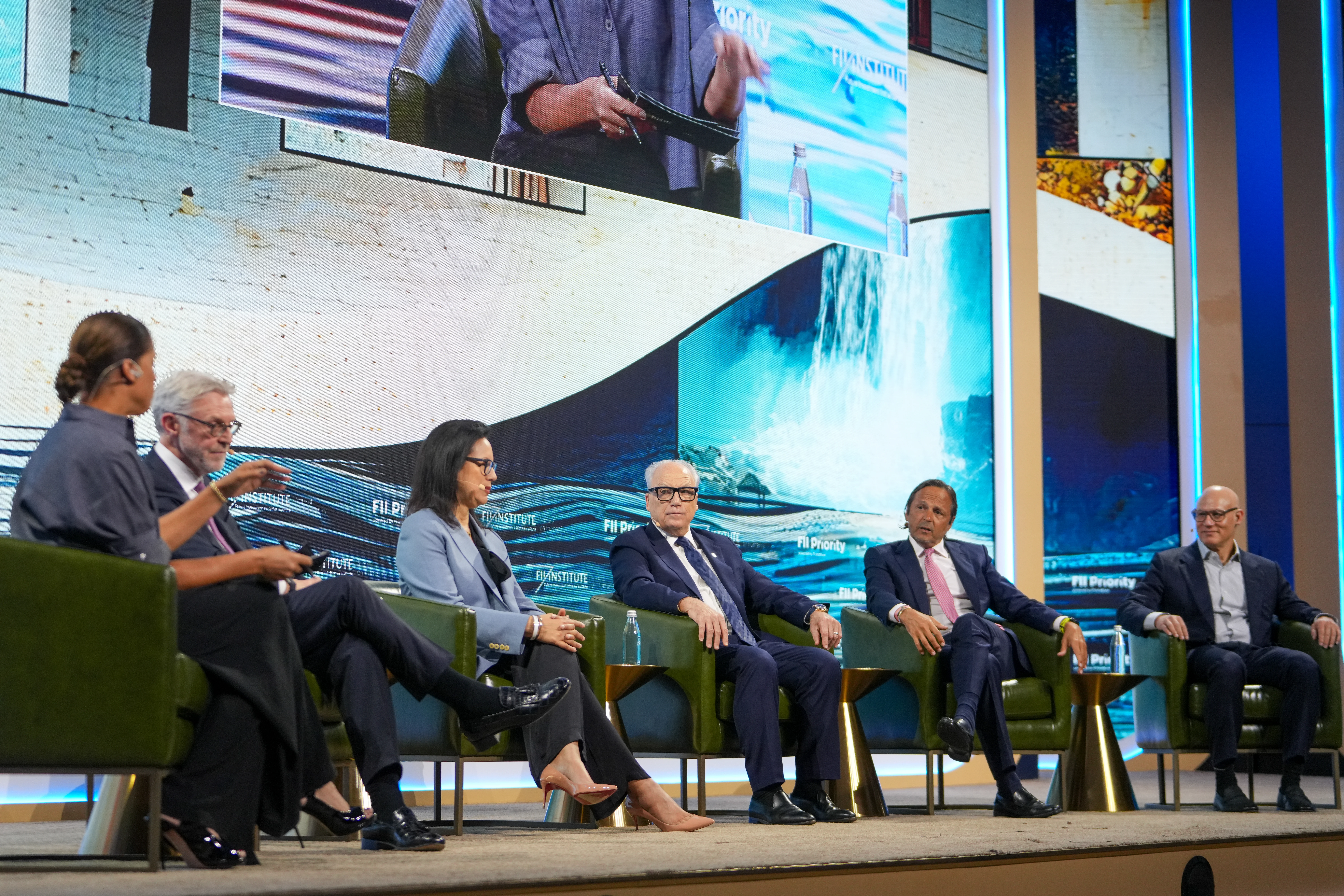
The morning sessions on Day 2 of FII PRIORITY Miami focused on the practical conditions shaping investment decisions across infrastructure, private markets, artificial intelligence, asset management, and the macroeconomic outlook. Different sectors were discussed, but the underlying questions were closely connected: where value is being built, how liquidity can return, and what investors now require in a more selective market environment.
Building for permanence
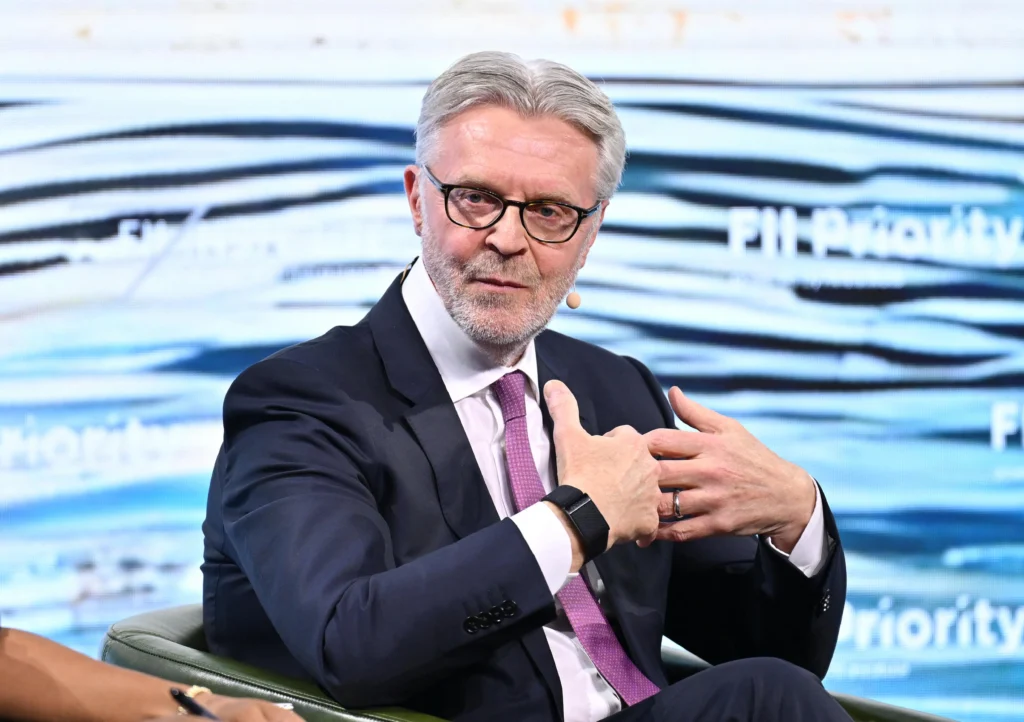
The opening discussion on green urban development focused on how large-scale projects are increasingly being assessed as long-term economic systems rather than isolated real estate plays. Michael Dyke, Chief Executive Officer of New Murabba, said: “We are not just creating a collection of assets, we are building a place where people genuinely want to live, work, and play.” The broader conversation centered on livability, infrastructure, and the ability to sustain demand over time.
Travel infrastructure and logistics capacity
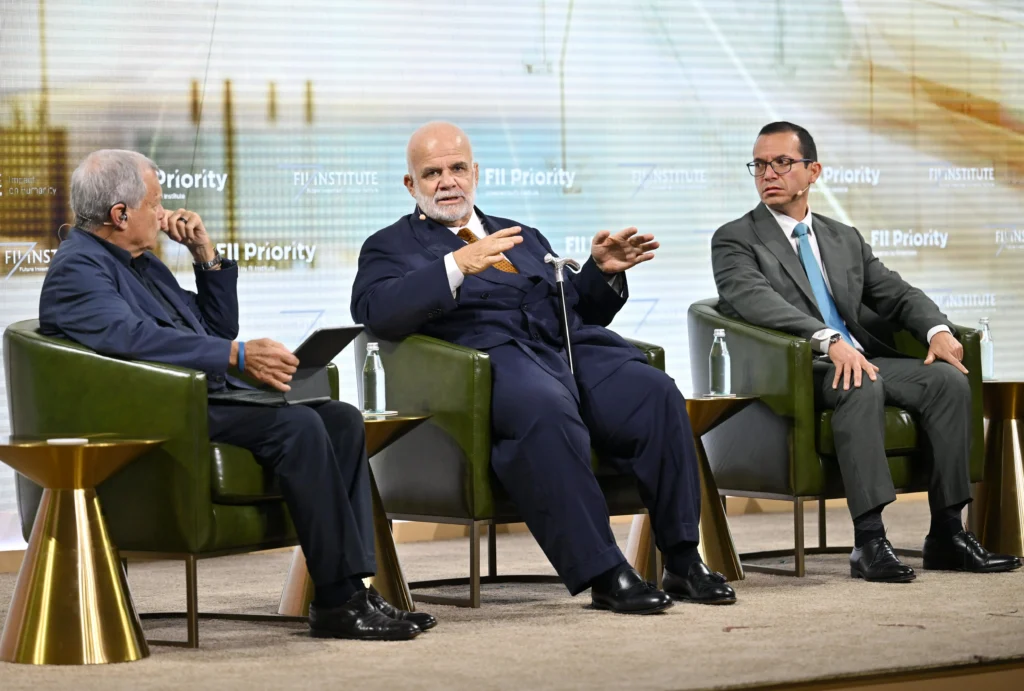
That systems perspective carried into the session on travel infrastructure, where speakers looked at airports, logistics networks, hospitality, and transport links as part of the wider investment story behind travel growth. Marco Mejia, Acting Chief Executive Officer of King Salman International Airport, brought up the establishment of a FedEx regional hub in Riyadh as an example of Saudi Arabia’s broader logistics growth. According to the official masterplan for King Salman International Airport, the project is expected to contribute SAR 27 billion annually to non-oil GDP, create 103,000 direct and indirect jobs, and handle up to 3.5 million tons of cargo by 2050. Manfredi Lefebvre d’Ovidio, Chairman of the World Travel & Tourism Council, also noted that fuel costs “make a big difference.”
Liquidity and the exit backlog
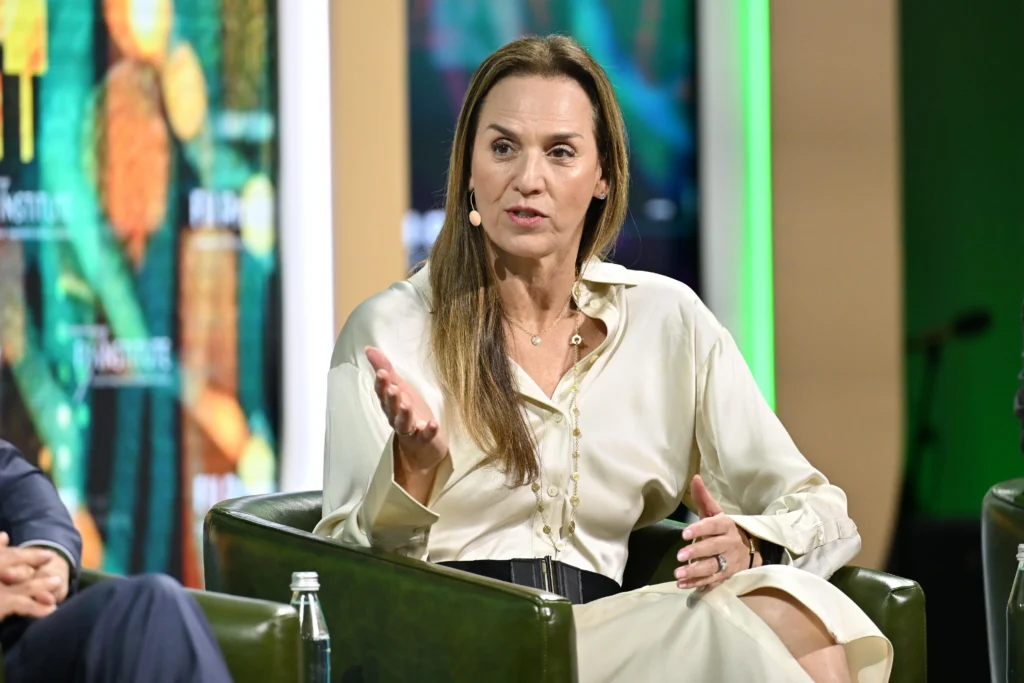
The conversation then turned to private markets and the challenge of exits. In the session titled “How to Solve the $3 Trillion Exit Problem,” speakers examined the continued backlog in private markets and the limits of relying on initial public offerings alone to restore market flow. Michal Katz, Head of Investment and Corporate Banking at Mizuho Americas, argued that “IPOs are a milestone. They’re not the destination.” The discussion focused on the wider mix of tools available to unlock liquidity and recycle capital in a more selective environment.
AI, policy, and regulatory clarity
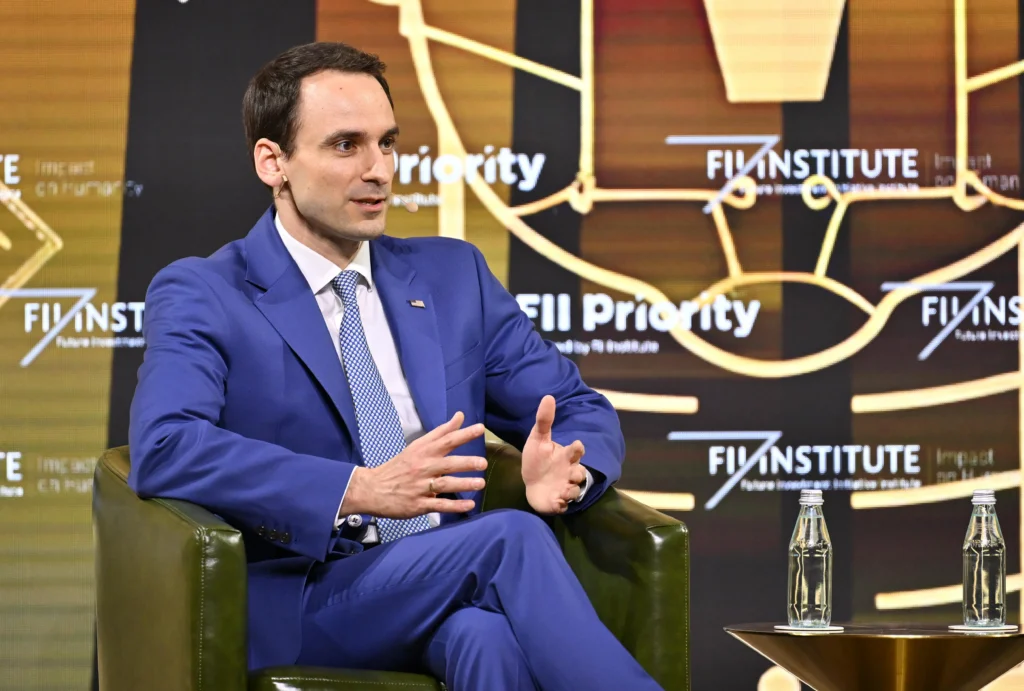
Artificial intelligence was discussed through the lens of policy clarity. Michael Kratsios, Director of the White House Office of Science and Technology Policy, defended the newly proposed AI national framework, which includes provisions related to child safety, as well as energy and data centers regulations.
Asset management under pressure to adapt
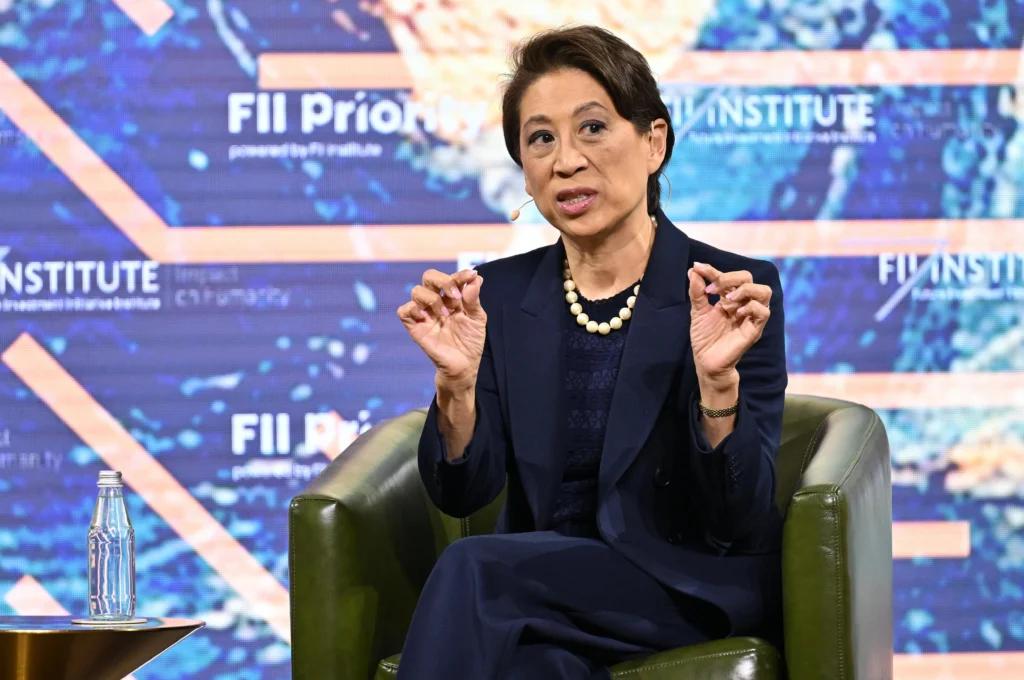
Asset management added another investment dimension to the morning. The discussion centered on how the industry is adapting to technological change, scale, customization, and evolving client expectations. Yie-Hsin Hung, President and Chief Executive Officer of State Street Investment Management, said that “AI enables mass customization at scale at much lower cost,” linking technology more directly to how firms can sharpen their offering and build value over time.
A more selective macro backdrop
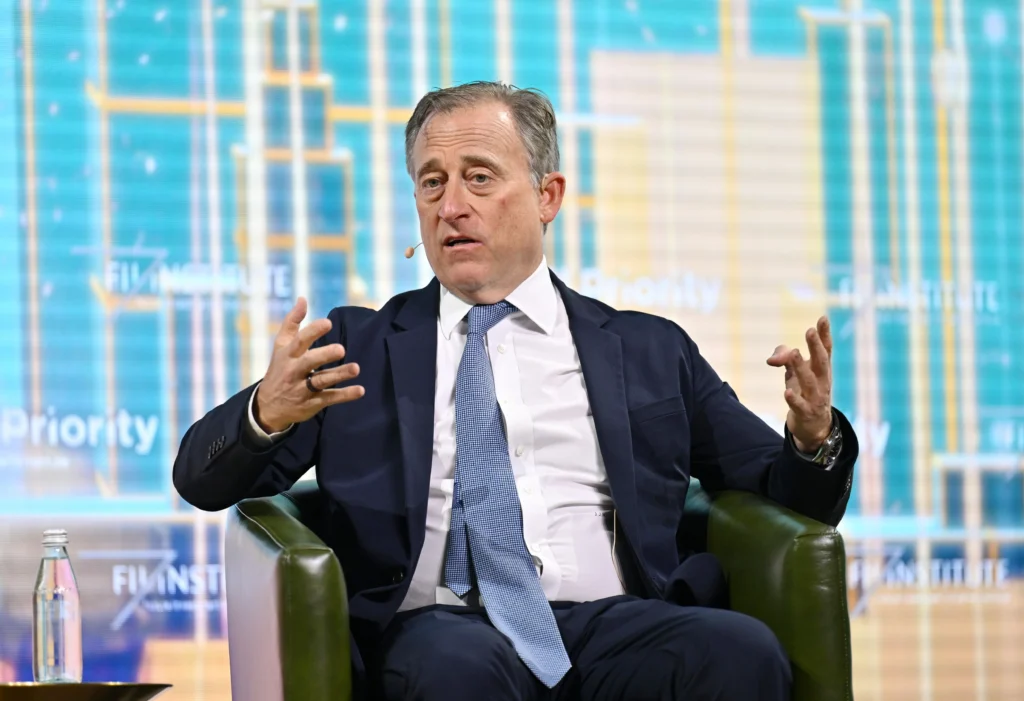
The morning closed with a more cautious macroeconomic perspective. Josh Harris, Founder of 26North, said: “In today’s environment, you have to move very slowly, stay focused on high quality assets, and be ready with capital.” His remarks reflected a broader theme across the sessions: capital remains active, but it is moving with greater selectivity and closer attention to quality, resilience, and timing.
Produced by: FII Institute’s Editorial Team