
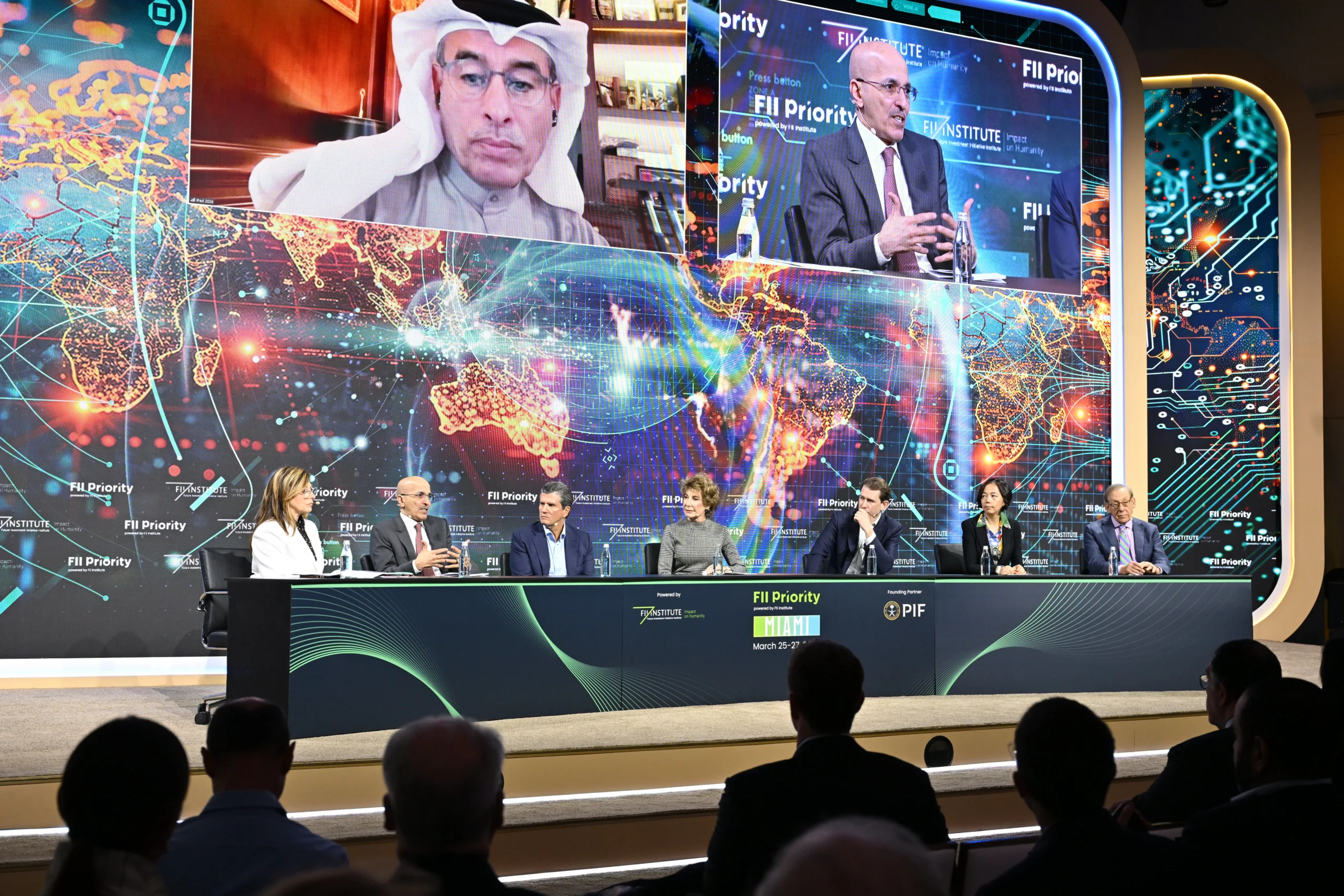
On the morning of Day 1 at FII PRIORITY Miami 2026, the plenary sessions made one thing clear: in a more demanding global environment, countries are being judged less by ambition alone and more by their ability to build, adapt and deliver. Across discussions on geoeconomics, AI, regulation, infrastructure and private markets, the focus kept returning to the same question: what makes a country attractive when risk is more complex, technology is moving faster, and global investors are looking for stronger foundations?
Amid geoeconomics challenges, supply chain pressure and a global race for AI capacity, the question in Miami shifted from where money is going to what kind of country can attract it, retain it and turn it into long-term value. Across the sessions, leaders returned to the same idea from different angles: resources flow toward resilience, talent, clarity and execution.
Strategy as a competitive advantage
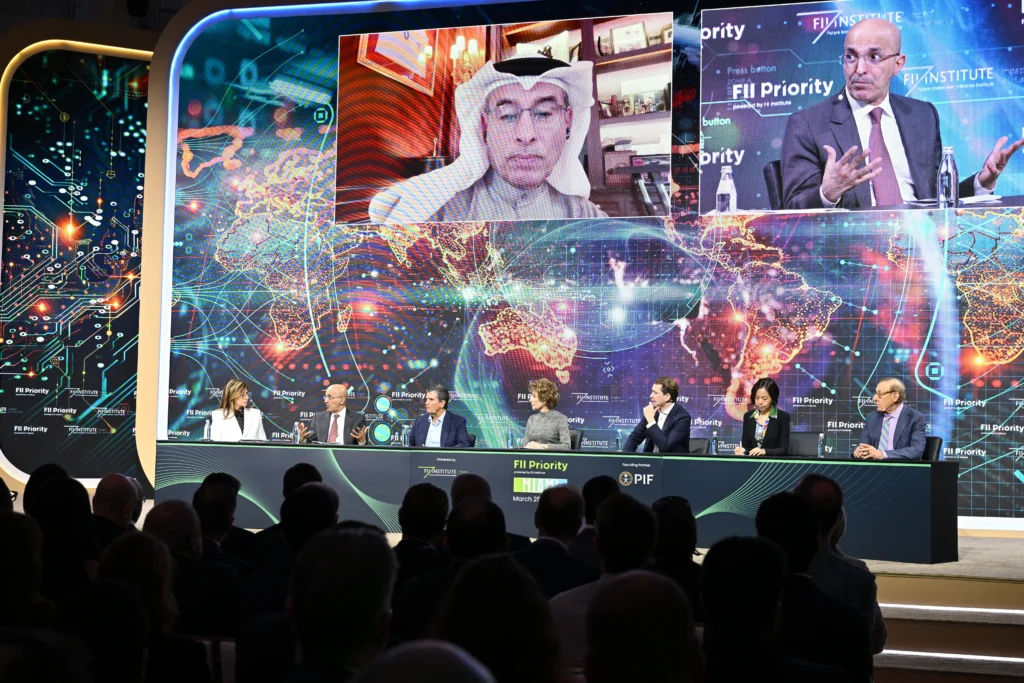
That long-view framing carried through the morning. H.E. Mohammed bin Abdullah Al-Jadaan, Minister of Finance of Saudi Arabia, pointed to the economic consequences of current regional tensions in terms that extended beyond oil. The strain, he said, is affecting refined products, fertilizers, steel, aluminum and petrochemicals, with supply chain disruption already running deep. In that environment, investors are looking for “certainty, resilience, growth potential, and long-term stance.”
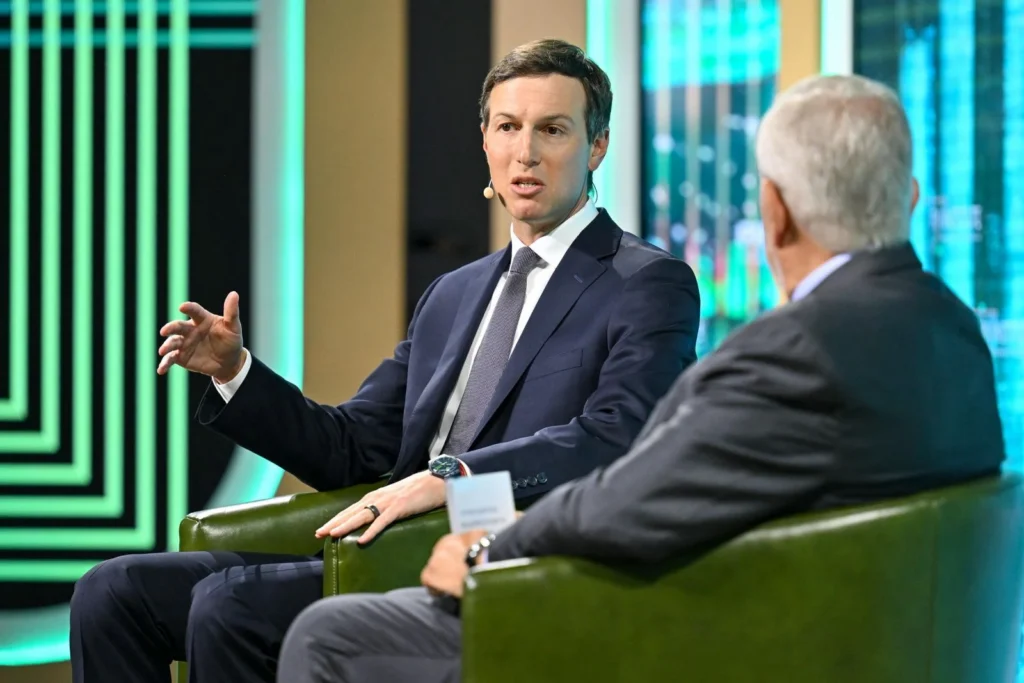
Jared Kushner, Founder and CEO of Affinity Partners, captured that shift with this statement: “I remember seeing Saudi Arabia’s Vision 2030 for the first time… and I remember saying, wow, all countries should have a business plan.” In today’s market, countries are competing the way companies compete for market share: through strategy, continuity and execution.
Talent, regulation, and the conditions to build
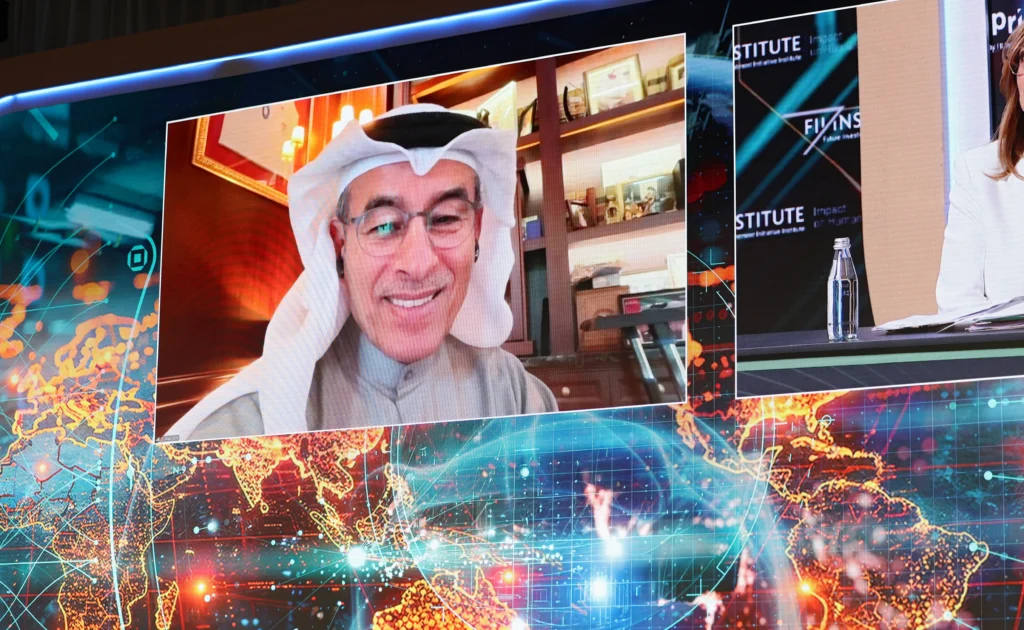
That competition is increasingly tied to talent. Mohamed Alabbar, Founder of Emaar Properties and Noon.com, described the region as a magnet for young, skilled populations, with talent flowing into Saudi Arabia and the UAE. William E. Ford, Chairman and CEO of General Atlantic, pointed to the same dynamic from a financial perspective, highlighting that the markets that create the right environment for entrepreneurs, companies and liquidity are the ones that attract sustained interest.
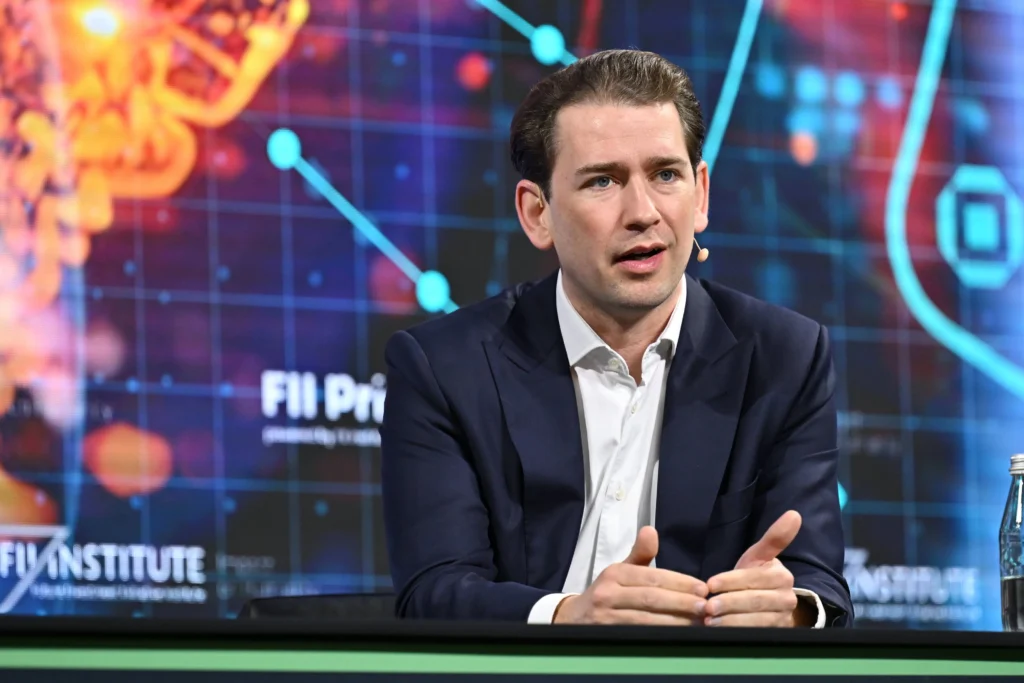
Regulation plays a central role in shaping that environment. Sebastian Kurz, Former Chancellor of Austria and Co-Founder of DREAM, warned that excessive regulation is pushing talent and financial activity away from parts of Europe, while other regions are becoming more attractive for builders. Dr. Fei-Fei Li, Professor at Stanford University and Co-Founder and CEO of WorldLabs, called for balance, specifically when it comes to AI. “I’m actually not saying we should just infinitely increase regulation… there needs to be a healthy balance.” Her point reflected a broader reality, where governance is becoming a defining factor in how technology scales across markets.
AI as infrastructure: capital, energy, and people
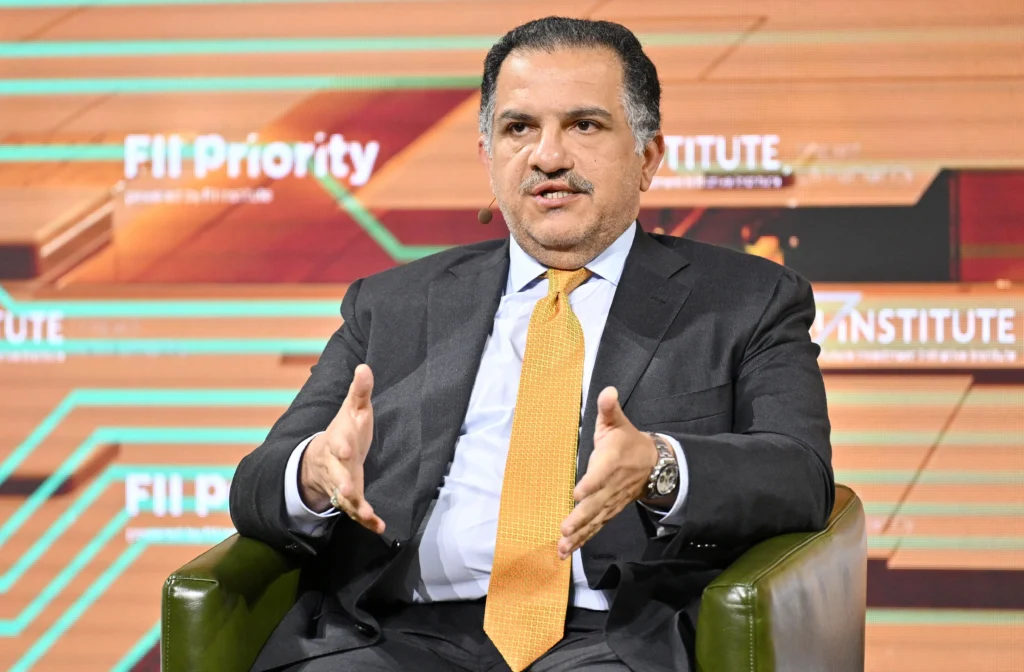
Nowhere was that more visible than in the discussion around artificial intelligence. H.E. Mohammed Al-Sheikh, Minister of State and Board Member of PIF, framed the challenge in human terms. “The way I view AI is it’s the brain… but humans have the heart. And the challenge is how do we bring them together?”
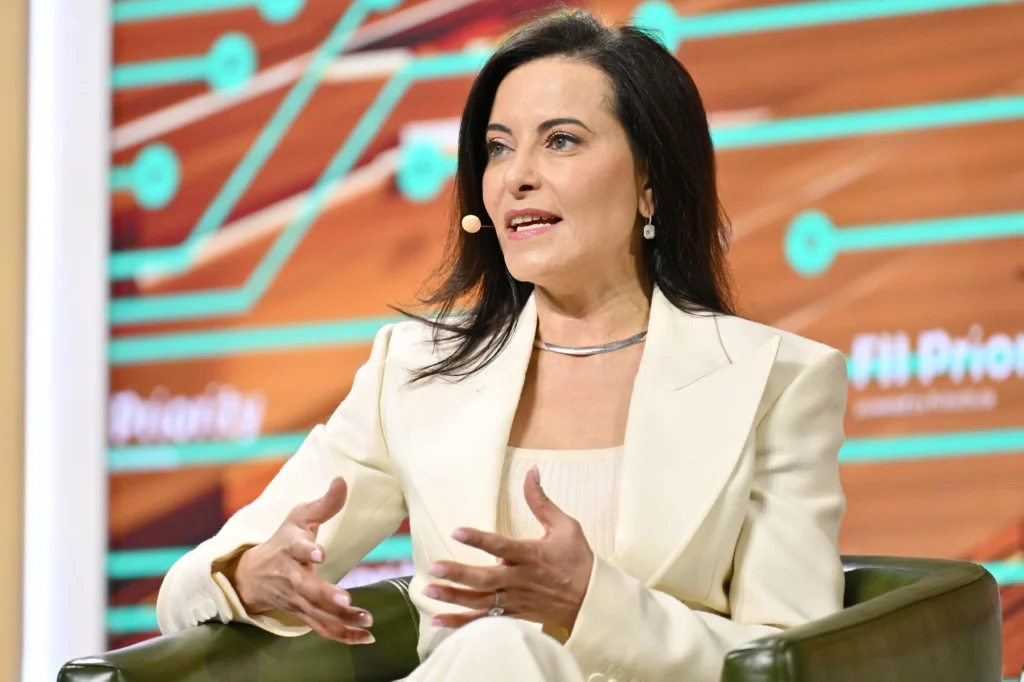
Dina Powell McCormick, President and Vice Chairman of Meta, translated that into the building blocks of the AI economy. “AI requires capital, energy, and talent,” she said, pointing to the scale of funding needed to support the next phase of growth. That includes trillions of dollars in capital, massive energy demand and a workforce capable of building and maintaining the infrastructure behind it.
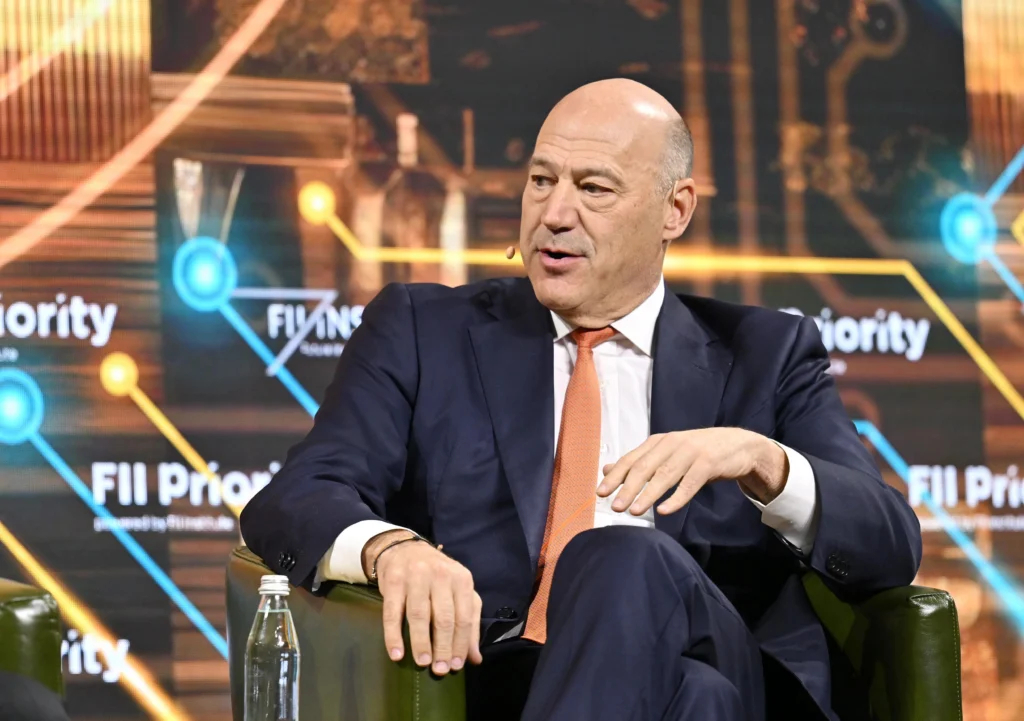
Gary Cohn, Vice-Chairman of IBM, focused on execution. Becoming AI-native as a company, he said, requires a “very organized, very methodical” approach, one that integrates technology into the core of the enterprise while maintaining alignment with regulators.
Where value is realized: public and private markets
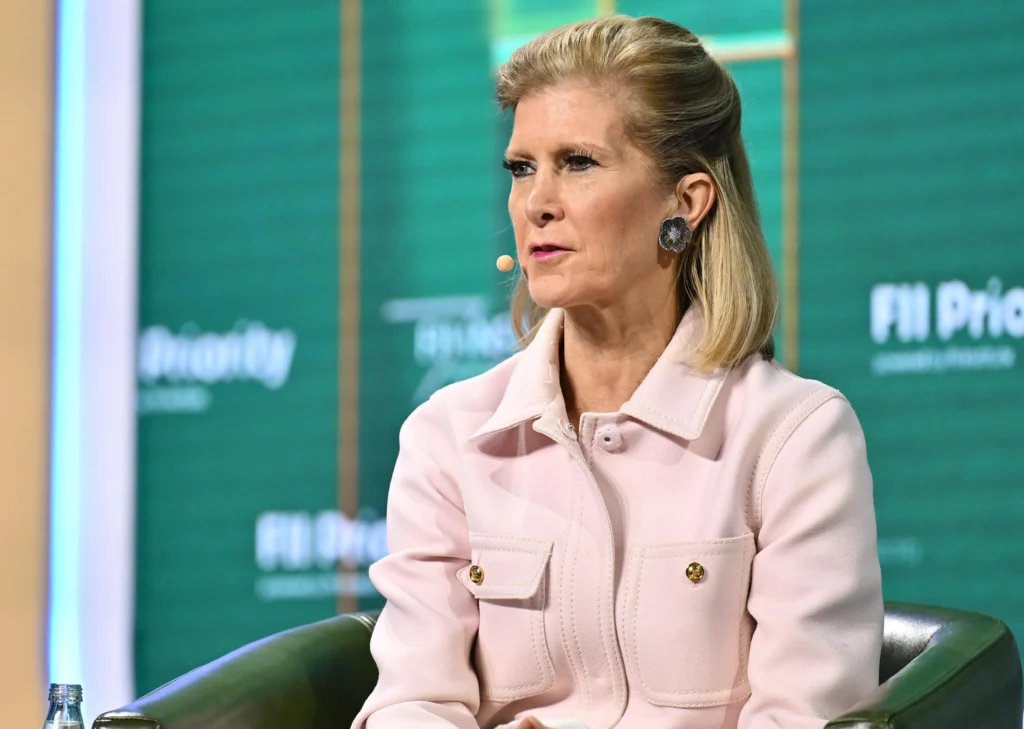
As funding flows into these systems, the question shifts to where value is ultimately realized — the public or the private market. Mary Callahan Erdoes, CEO of JPMorganChase Asset and Wealth Management, framed the answer in practical terms: “Both.” Public and private markets each play a role, depending on liquidity needs and portfolio strategy.
This comes at a time when private capital continues to scale, with global buyout and growth deals above USD 500 million surpassing USD 1 trillion. Financial flows are becoming more flexible in how they move between public and private structures, with each serving a distinct role in the broader system.
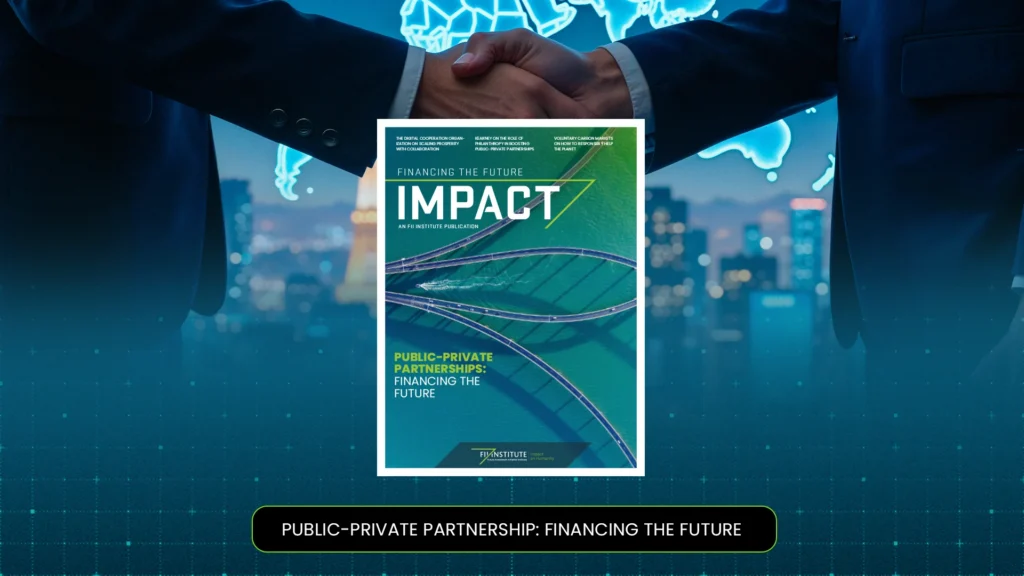
That shift also helps explain the renewed relevance of public-private partnerships. As highlighted in the FII Institute’s Public-Private Partnerships: Financing the Future report, PPPs are becoming a more strategic way to combine public priorities with private-sector capital, expertise and execution, particularly in areas such as infrastructure, energy transition and digital development.
Signals of where the next phase is heading
Two announcements later in the day pointed to how this shift is already taking shape in practice. HUMAIN, a PIF company focused on full-stack artificial intelligence capabilities, announced a strategic partnership with Turing to build what is described as the world’s first enterprise AI Agent Marketplace on HUMAIN ONE. The platform is designed to allow organizations to discover, deploy and scale AI agents across business functions, combining HUMAIN’s infrastructure, models and orchestration capabilities with Turing’s expertise in model evaluation, fine-tuning and deployment.
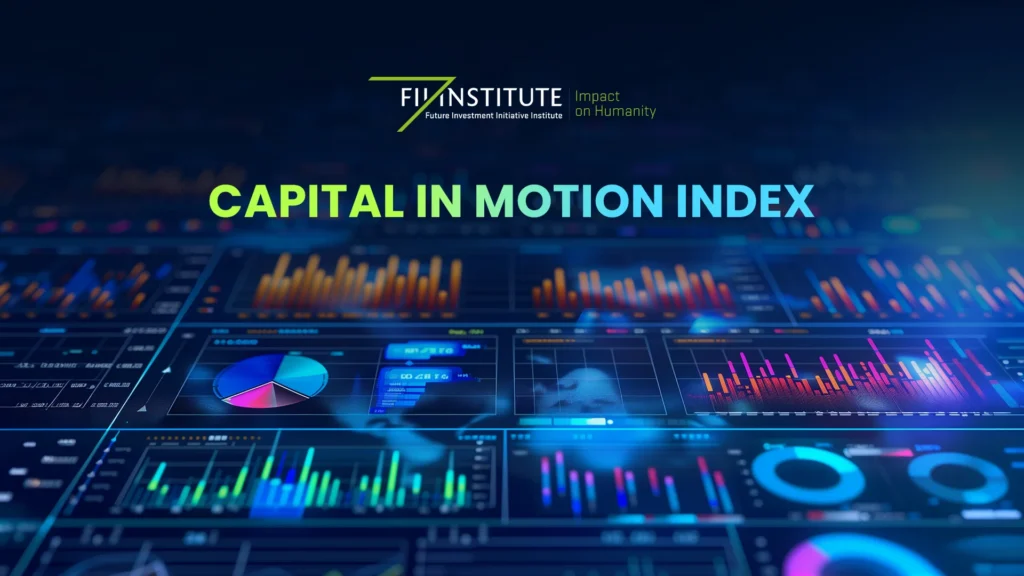
Alongside this, FII Institute introduced the Capital in Motion Index, a new multi-asset index designed to track where funding is moving across regions, sectors and asset classes in real time. Set to be formally launched at FII 10 in Riyadh, the index is positioned as a decision-making tool for those navigating a more complex and fast-moving global landscape.
Taken together, both announcements illustrate how attention and resources are moving toward ecosystems that combine infrastructure, execution and visibility. In this environment, countries are being evaluated much like companies: on how clearly they define their strategy, how effectively they deploy resources and how consistently they deliver against long-term objectives.