In Miami, the prevailing mood was not one of retreat, but of continuity and confidence. In an increasingly complex global landscape, the Gulf emerged in the conversation not as a region under pressure, but as one that has spent years preparing to operate with strength through uncertainty. The central question was no longer simply where capital is moving, but why confidence continues to gravitate toward economies in the GCC that have built long-term foundations based on planning, resilience and strategic vision.
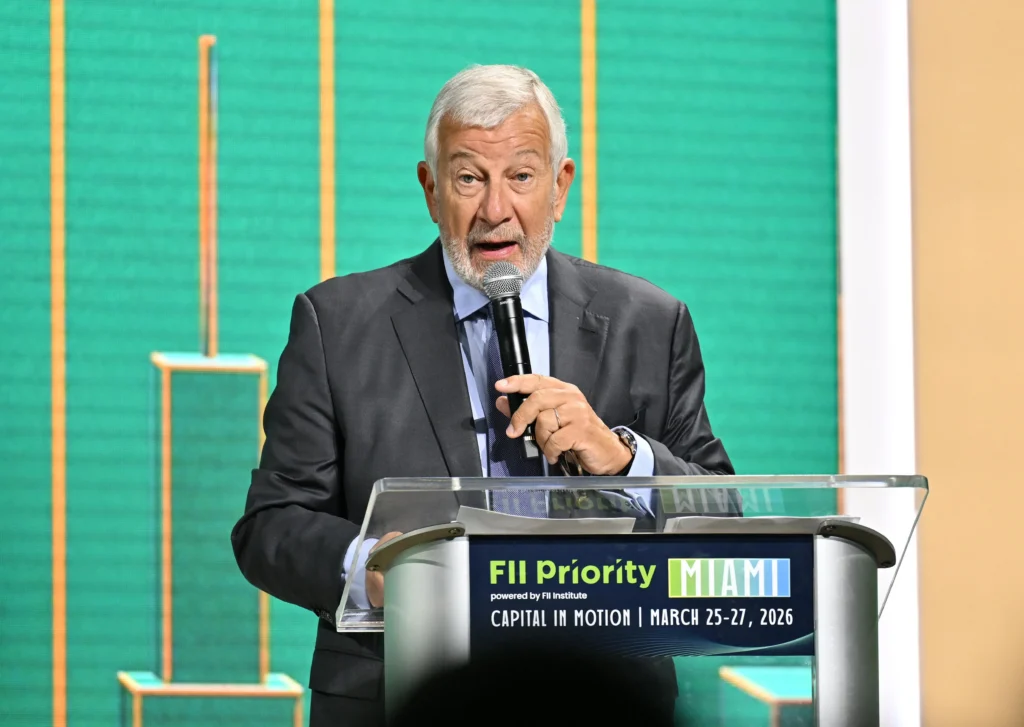
After a highly insightful Day 0, with a strong focus on Latin America and venture capital, the morning of Day 1 at FII PRIORITY Miami 2026 opened with Richard Attias, Chairman of the Executive Committee, and Acting CEO of the FII Institute, underscoring a message that would carry through the day: “Gatherings like the FII Summit are not a luxury, they are a necessity, because progress does not happen in isolation, it happens when people come together, share perspectives, and leaders choose to engage.”
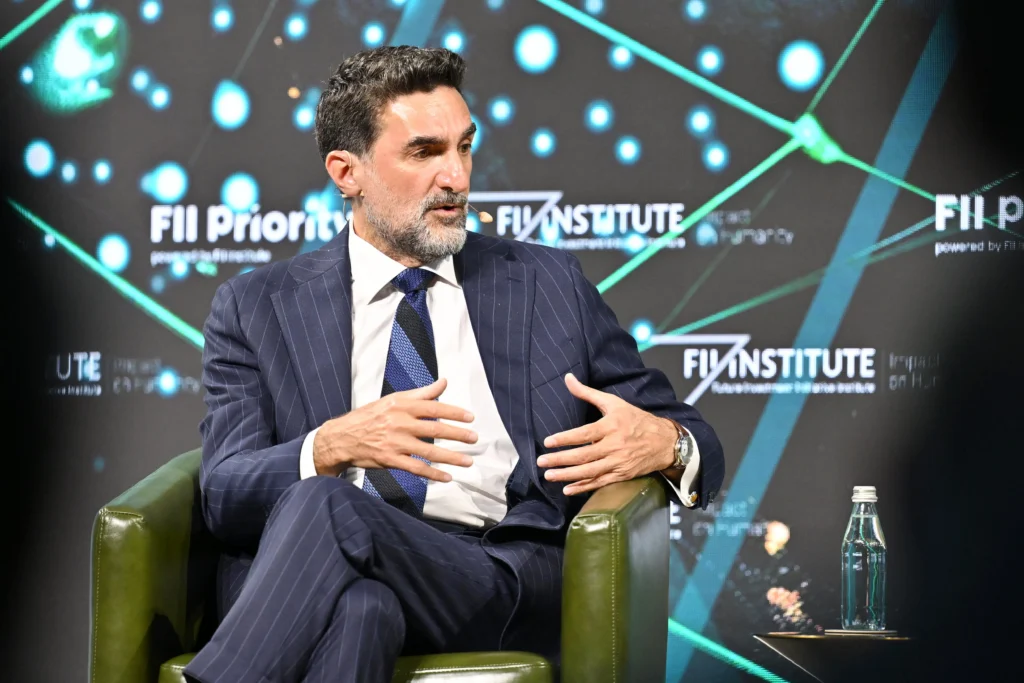
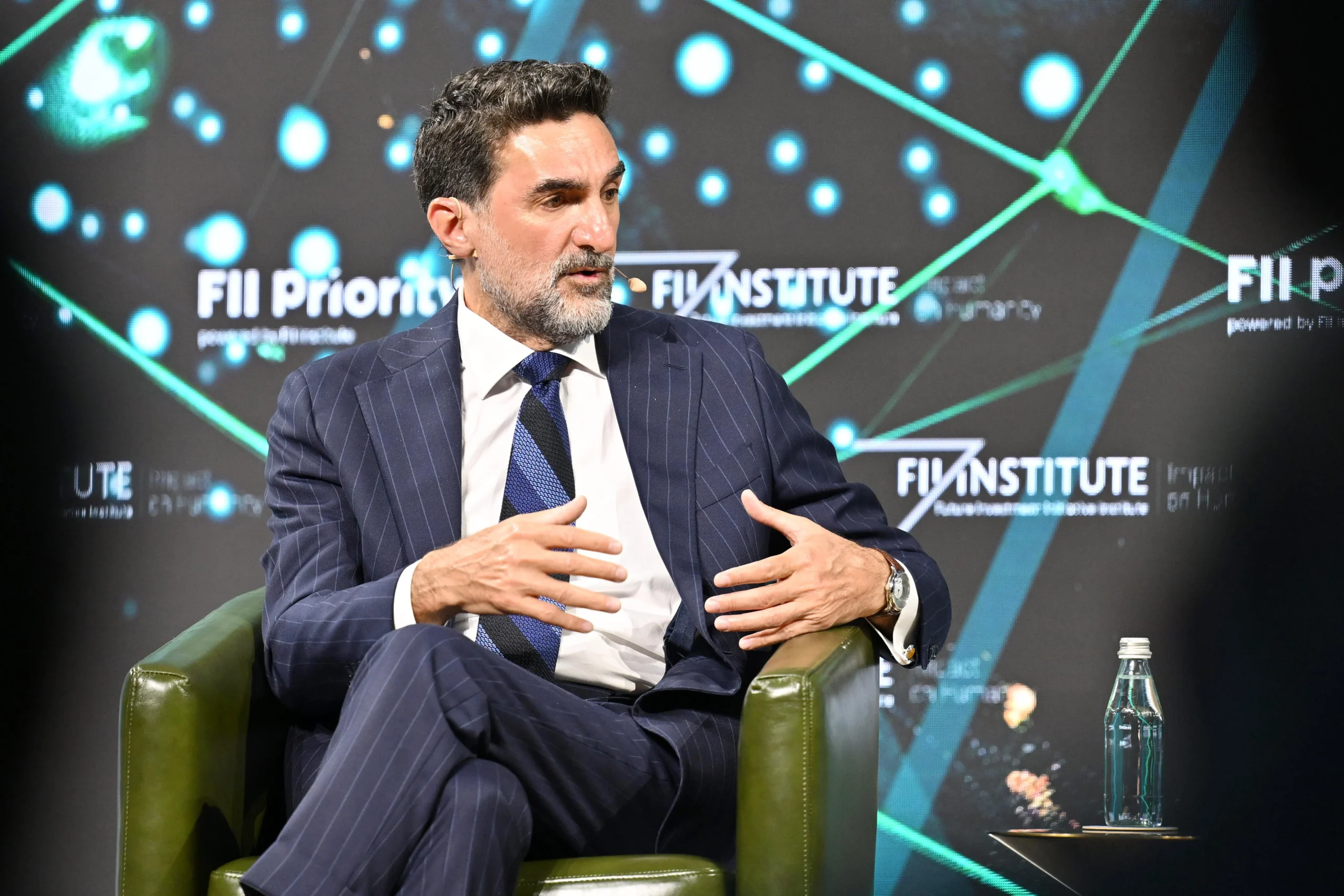
H.E. Yasir Al-Rumayyan, Governor of the Public Investment Fund, framed that confidence clearly: “The Saudi macroeconomic position remains strong, stable, and resilient. And the PIF’s portfolio is well diversified and structurally resilient.” He added: “We are a long-term investor. We measure our returns, not in quarters, but in decades. And PIF remains committed to its investments around the world.”
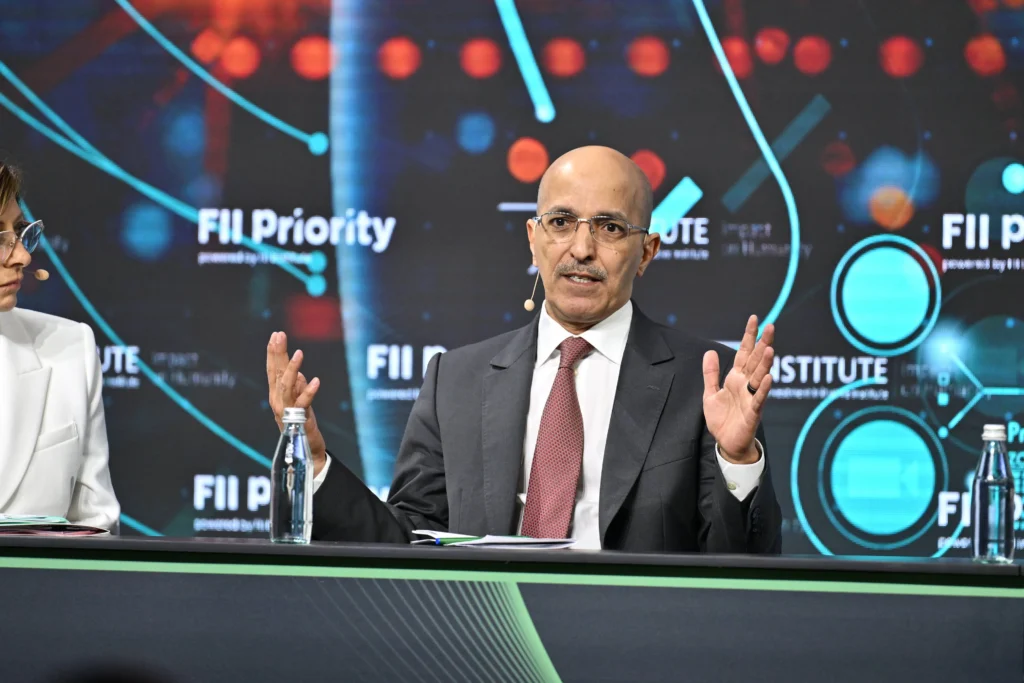
That long-term approach was reinforced by H.E. Mohammed bin Abdullah Al-Jadaan, Minister of Finance of the Kingdom of Saudi Arabia, who pointed to certainty, resilience, growth potential and long-term vision as the qualities investors are seeking most. His message was clear: in the Gulf, resilience is not reactive. It is strategic.
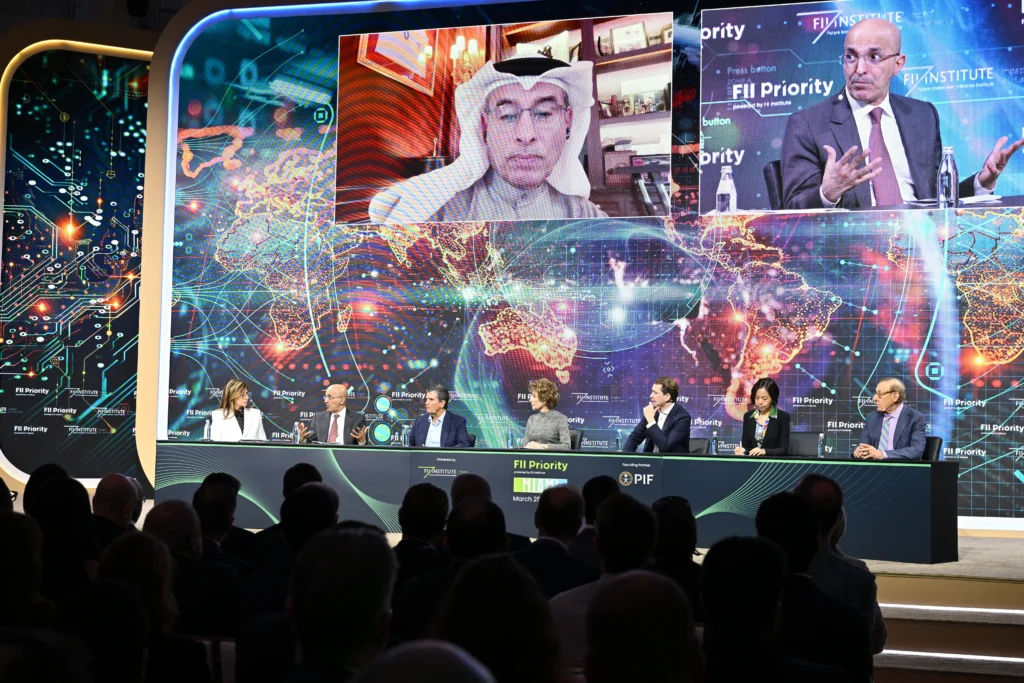
From the private sector, Mohamed Alabbar, Founder of Emaar Properties and Founder of Noon.com, underlined the importance of building for the long term, while stressing the value of stability, continuity of leadership and the region’s ability to keep attracting talent into Saudi Arabia and the United Arab Emirates.
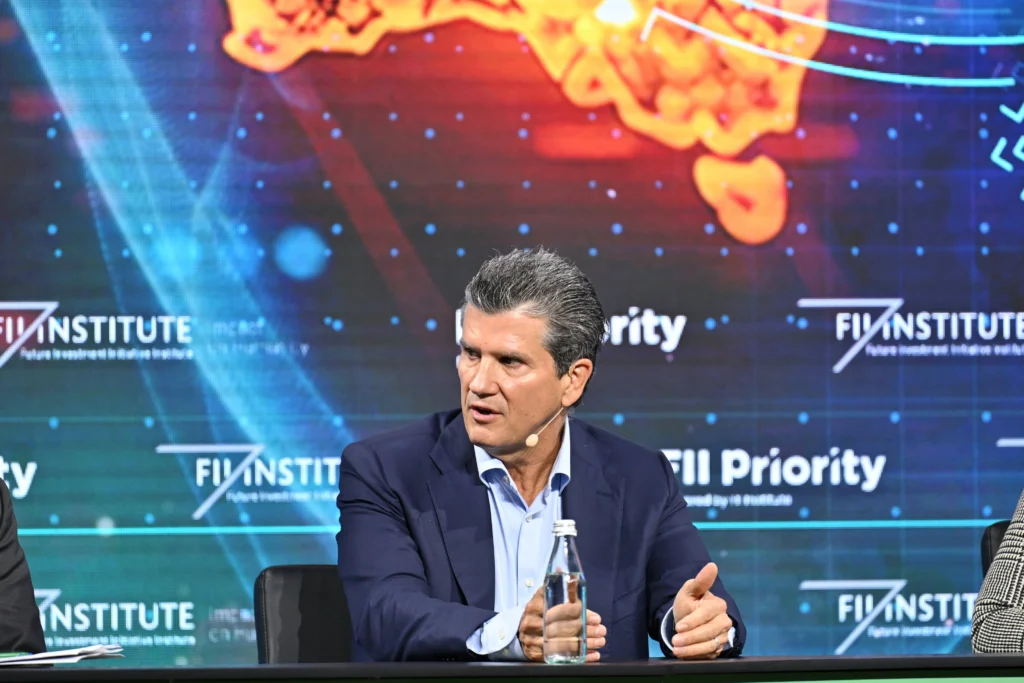
That confidence was echoed by William E. Ford, Chairman and CEO of General Atlantic, who argued that capital will continue to favor places where companies can flourish, entrepreneurs can build and capital markets support long-term growth. Increasingly, the Middle East is being seen through that lens.
AI is becoming a national infrastructure decision
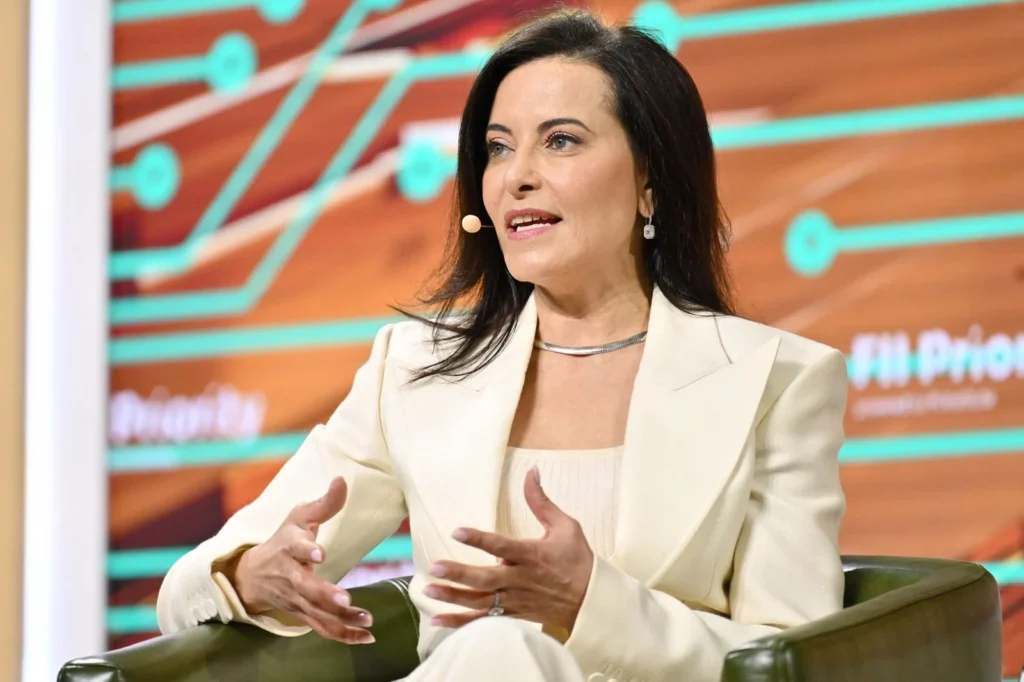
That case becomes even stronger in the AI era. Dina Powell McCormick, President & Vice Chairman of Meta, described AI as a transformation powered by capital, energy and talent, but also one that depends on how deeply digital tools are already embedded in everyday economic life.
She pointed to Saudi Arabia as a clear example of that readiness: 90% of people are on WhatsApp, while 95% of small and medium-sized enterprises use it to run their businesses, alongside a highly dynamic population, with 65% under the age of 35. These indicators reflect not just digital adoption, but an economy already operating at scale in a connected environment.
At the same time, she stressed the magnitude of what comes next. Advancing AI globally will require over $10 trillion in capital, more than 250 gigawatts of power, and a major expansion of skilled labor, including 500,000 electricians needed in the United States alone over the next two years.
Taken together, her message was clear: the next phase of AI will not be defined by innovation alone, but by which economies can combine digital readiness with the infrastructure, energy and talent needed to scale it.
What stayed with many in the room was a broader sense of direction. The Gulf is increasingly being recognised not only for the scale of its capital, but for the consistency of its planning and its ability to align investment, infrastructure and talent around long-term priorities. In a more demanding global environment, that combination helps explain why the GCC continues to stand out in conversations about growth, resilience and future readiness.
Produced by: FII Institute’s Editorial Team