Access to high-value assets has historically been limited, shaped by geography, networks and institutional barriers. What is changing now is not only the type of assets being created, but who is able to participate in them.
On the afternoon of Day 1 at FII PRIORITY Miami, that shift came into focus across multiple sessions, from Saudi capital markets to tokenized finance and emerging asset classes. The conversations were less about where capital is flowing and more about how, and under what conditions, access to assets is expanding.
Saudi Arabia: A capital market coming of age
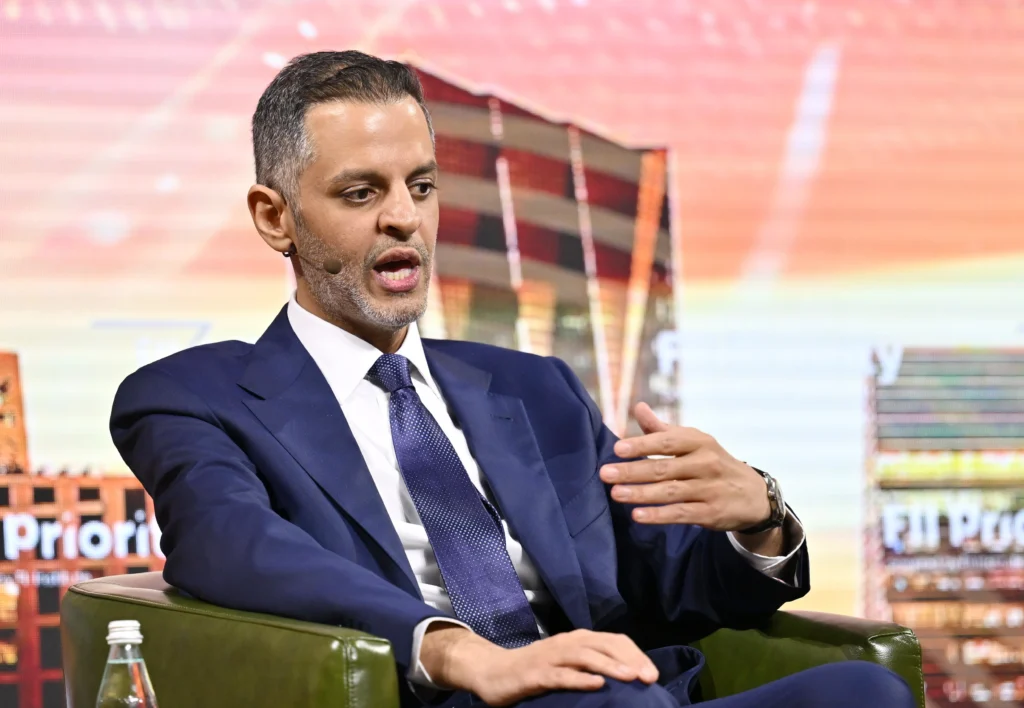
Yazeed Alhumied, Deputy Governor at PIF, laid out the numbers plainly. The Kingdom now has 12 international asset managers operating with full licenses, six of them new in the past year. Committed capital through the programme sits at around $20 billion, with a total pipeline of $60 to $80 billion.
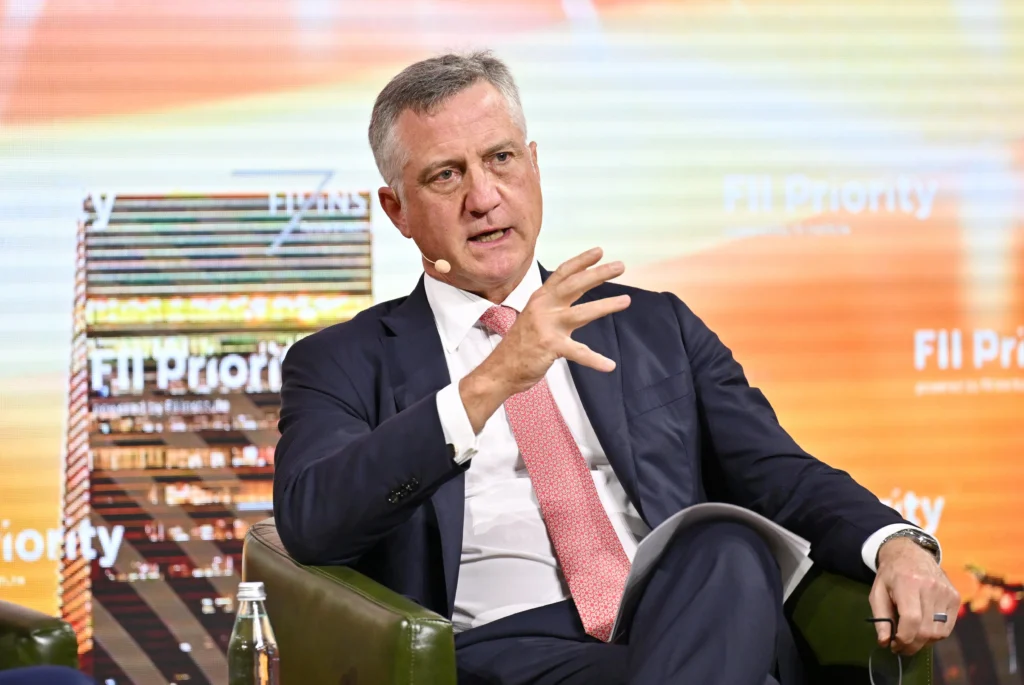
Brian Higgins of King Street, which has signed a partnership with PIF to deploy capital across the Kingdom and the GCC, described what drew his firm in.
“PIF has been a true leader, leading with their capital, leading with their partnerships, their expertise. And to really feel like you’re getting a leg up to partner with the government, not left on your own to navigate an uncertain world.”
On-chain finance: Rebuilding the rails
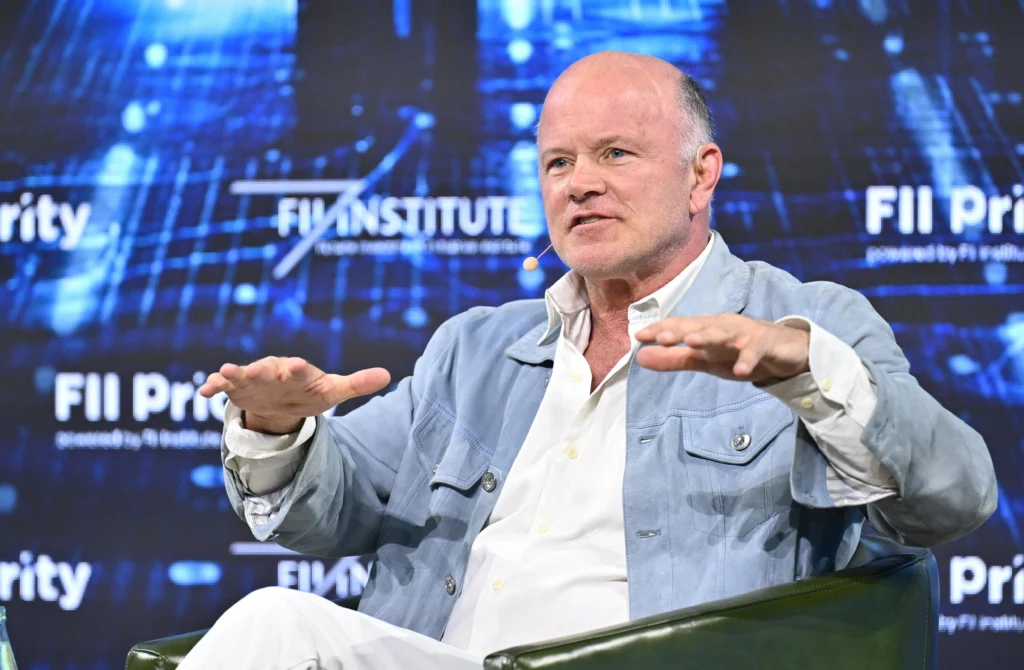
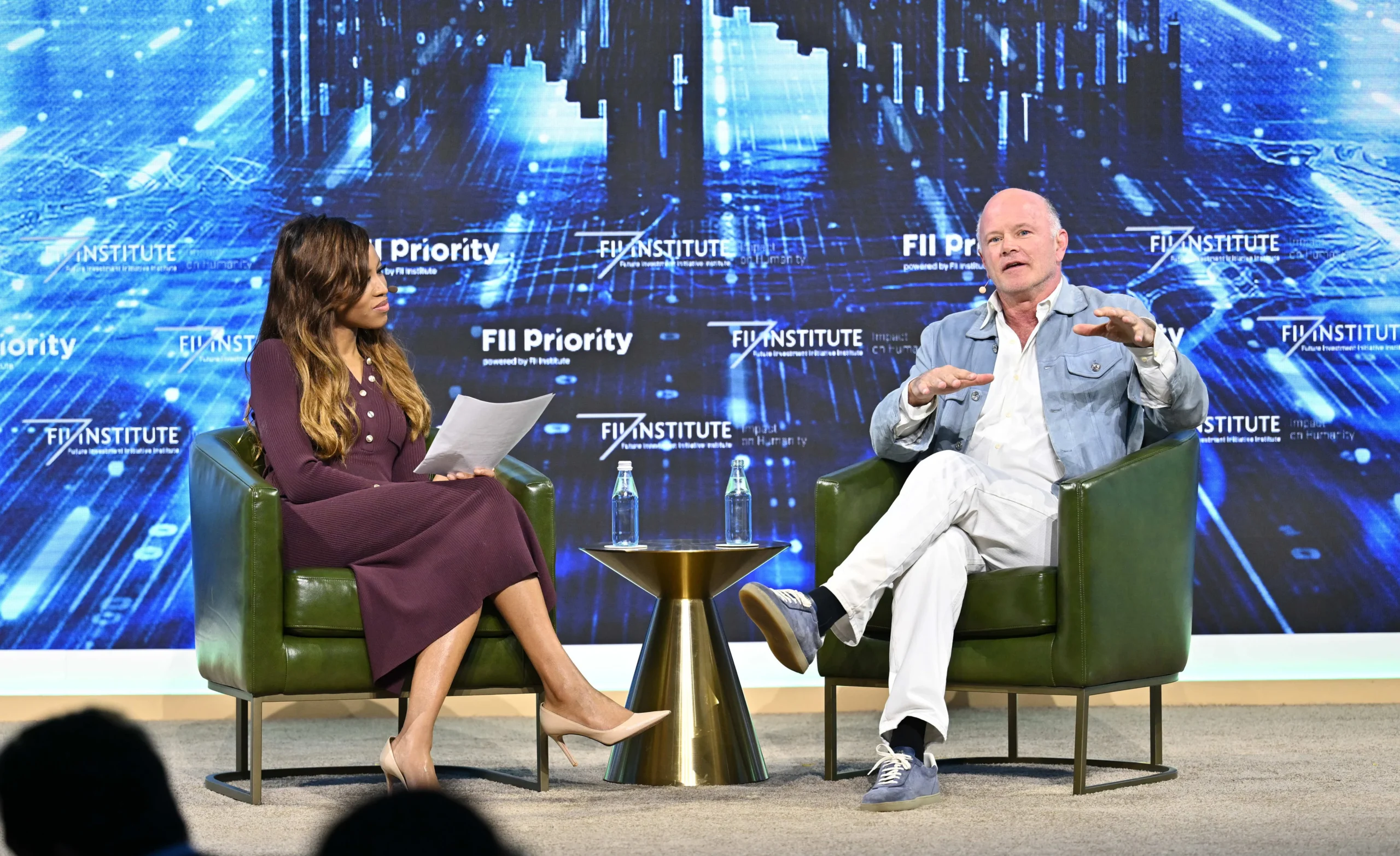
Building a market ecosystem around new assets, as PIF is doing, is one part of the story. Michael Novogratz of Galaxy Digital was making the case that the infrastructure underneath all assets is being rebuilt from scratch.
His argument is that stablecoins are already a better savings product than a bank account, and most people haven’t noticed yet.
“If you look at your JPMorgan account or your Wells Fargo account, they pay broadly zero on your savings and zero on your checking. Fed funds rate is 3.75%. So a stablecoin could pay that. For the consumer, stablecoins are a much better product”, Novogratz said.
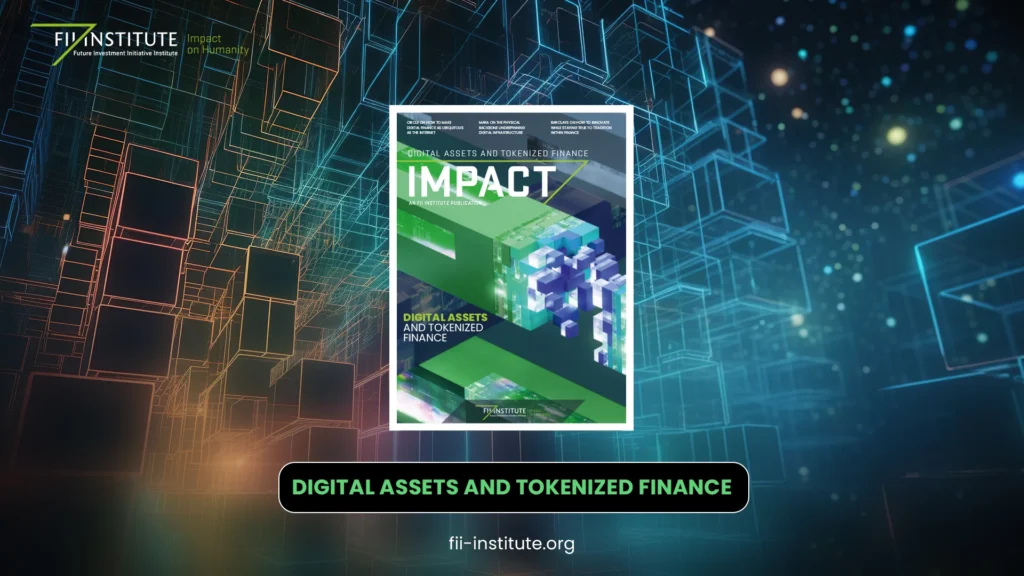
The scale of what is already in motion gives that argument weight. According to FII Institute’s Digital Assets and Tokenized Finance Impact Report 2026, stablecoins reached $300 billion in circulation and $33 trillion in annual transactions in 2025.
AI as a tool, not a theme
The AI ROI panel was less about artificial intelligence as an investment category and more about what it actually does to the value of assets and businesses when it works, and why it so often doesn’t.
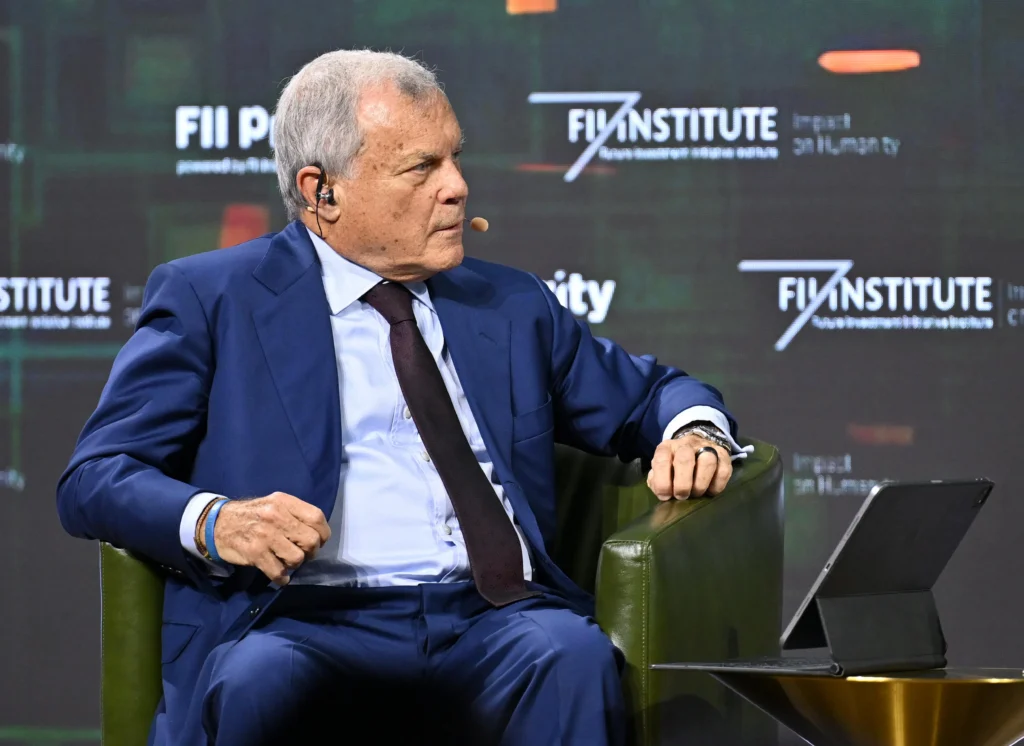
Sir Martin Sorrell opened with a number that set the tone: around 60% of CEOs expect significant returns from AI, but only about 20% are seeing them.
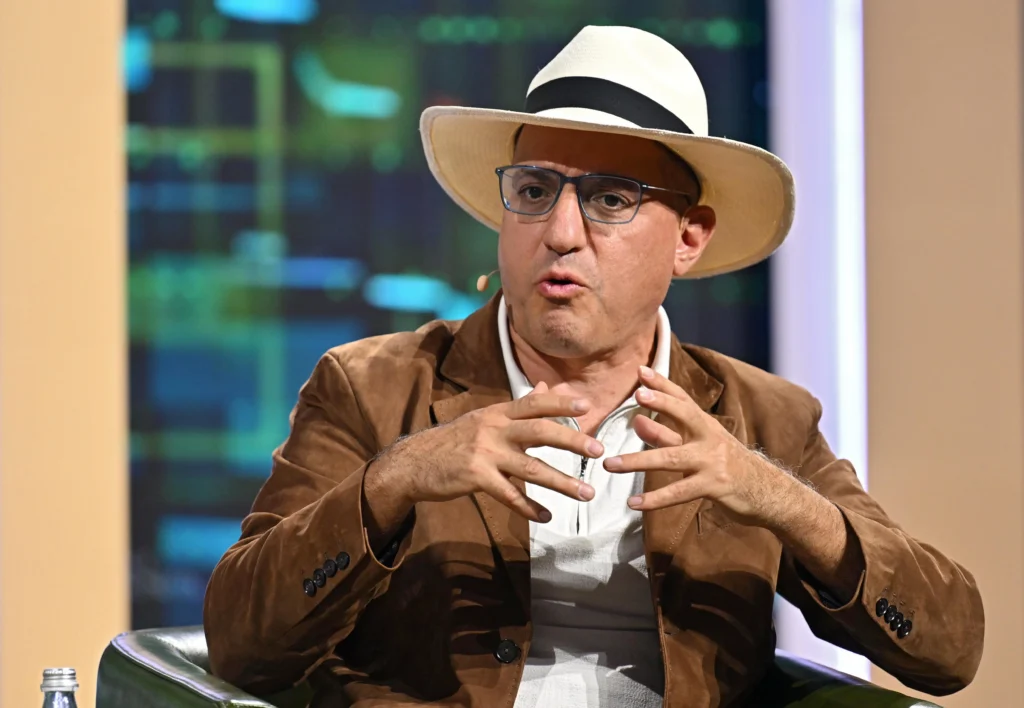
Jack Hidary of SandboxAQ explained the failure rate with unusual precision. One of the world’s largest banks ran 400 AI experiments. 90% failed, not because the technology was poor, but because language models are built for words and banks run on numbers.
“When it comes to creating new product, when it comes to rolling out new innovation, we need to go beyond LLM. We need an AI that is trained on real-world data, not on stuff downloaded from the internet”, Hidary argued.
Synthetic biology: The asset class few are watching
The final session of the afternoon made a different kind of argument altogether. Not about deepening existing markets or rebuilding financial rails, but about whether biology itself is becoming an asset class.
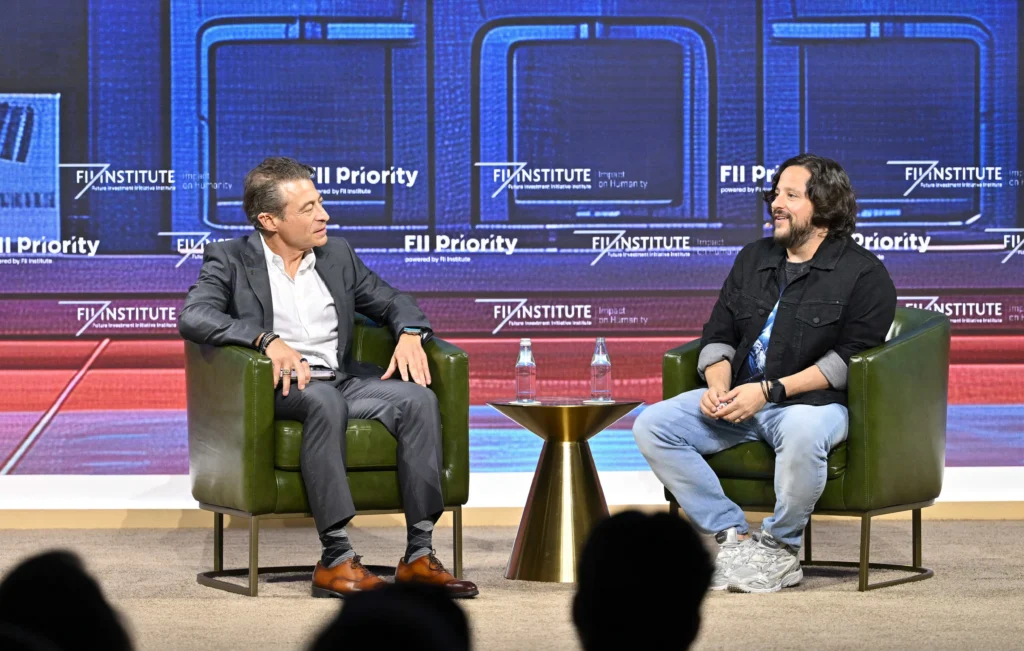
Peter Diamandis, FII Institute’s board member, framed it this way: AI combined with synthetic biology can now engineer organisms, materials and products that have never existed. The commercial applications run from species preservation to plastic degradation to pharmaceutical development.
Ben Lamm, whose company sits at the centre of this space, was direct about what makes it possible: “We couldn’t do it without AI. It would take 50 to 1,000 years probably to do it without AI.”
Diamandis put the investment case plainly.
“We talk about trillion dollars here and trillion dollars there in the AI world. For me, this is about building living products that have never existed before. There are trillion-dollar markets that are going to be flowing out of this.”
Africa: Demographic momentum meets investment opportunity
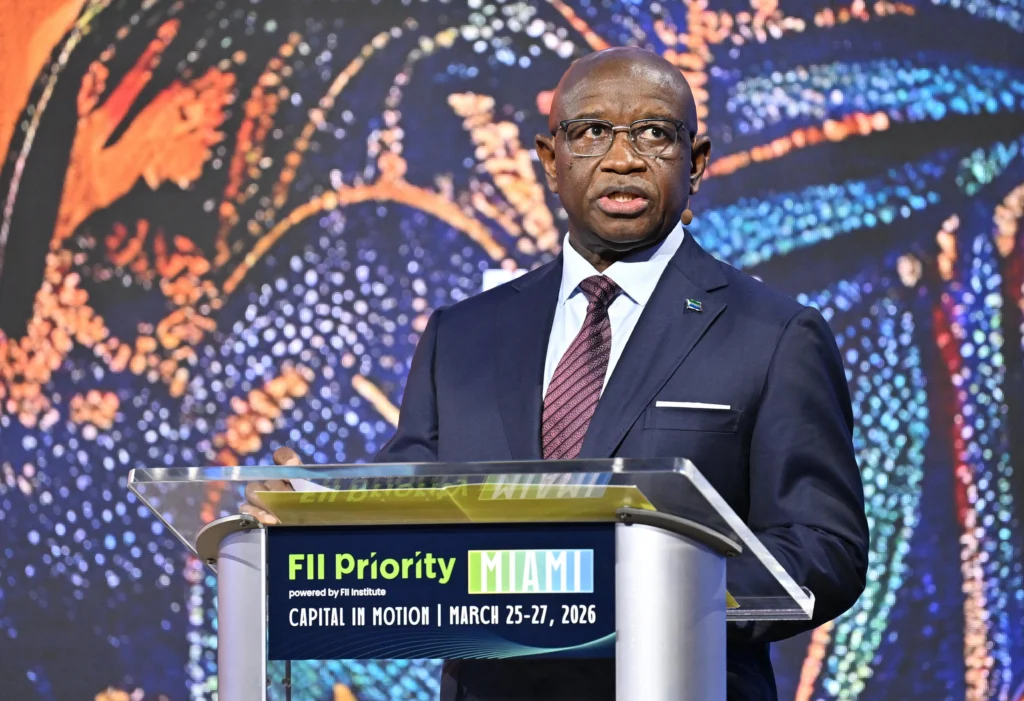
President Julius Maada Bio of Sierra Leone, in his keynote, underlined that the African continent holds large reserves of the critical minerals the energy transition and the AI economy both depend on. Its workforce is young and growing at exactly the moment developed economies are running short of workers.
“This demographic transition, when matched with the right investment, skills development and economic policy, represents one of the most significant growth opportunities of the 21st century. But demographics alone do not determine destiny. Investment does.”
From tokenised private markets to biodiversity contracts in the Gulf, the afternoon made one thing clear: the most interesting assets of the next decade are not yet in any index. The question is not whether they will be, but who gets there first.